


 EN
EN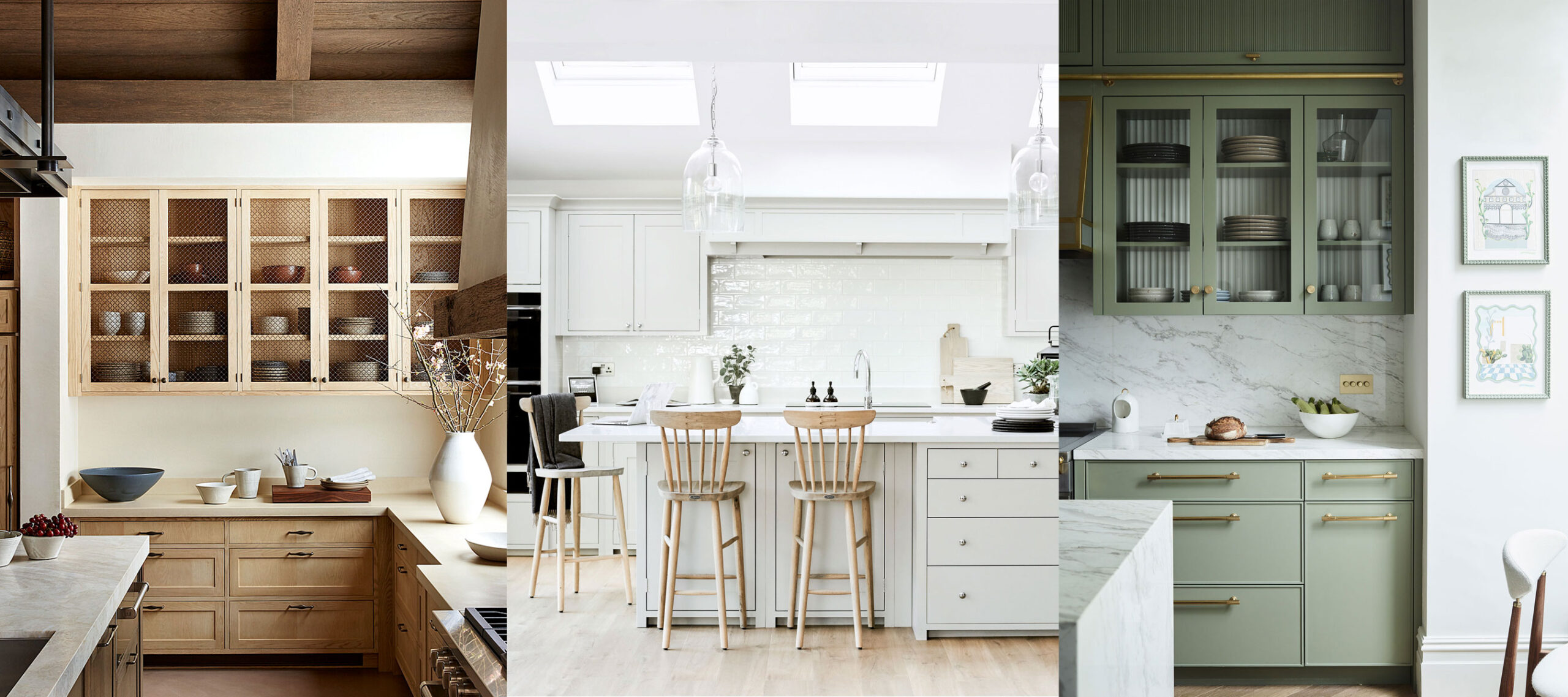
The kitchen cabinet retailer model has rapidly evolved, shifting from small showroom sellers to wholesale-driven partners integrated with global supply chains. Today’s contractors and cabinet brands require retailers that provide consistent quality, scalable inventory, and reliable fulfillment, not just showroom samples.
This demand is driving the market toward retailer–manufacturer hybrids, enabling businesses to buy kitchen cabinets wholesale and sell retail with stronger pricing control and lower sourcing risk—this article breaks down the shift and shows how Casta pairs retail accessibility with factory-level visibility and customization to help professional buyers scale across multiple projects and markets.
Table of Contents
1. What Defines a High-Performance Kitchen Cabinet Retailer Today
1.1 Beyond Showrooms: Retailers as Supply Chain Managers
The modern kitchen cabinet retailer is no longer simply a showroom selling boxes from a catalog.
Professional buyers—contractors, dealers, and cabinet brands—expect retailers to:
- Curate product quality by selecting suppliers that meet structural, material, and finish standards
- Validate batch consistency, preventing color or sizing mismatches between reorder cycles
- Manage procurement risk, including delays, price volatility, backorders, and freight issues
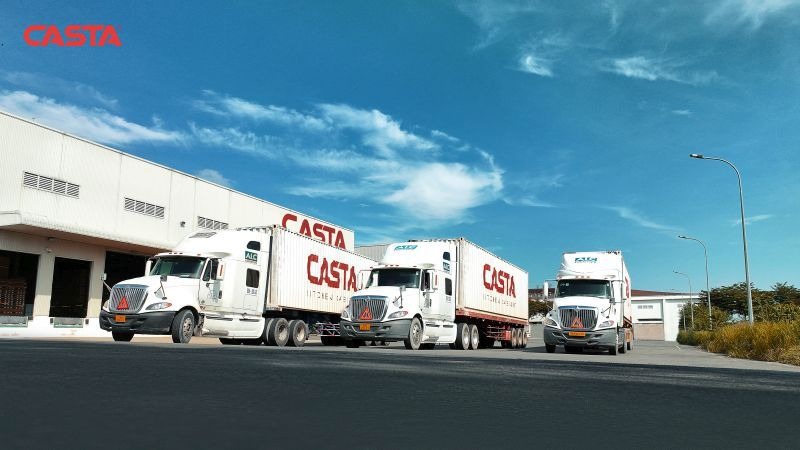
- Coordinate logistics, from container arrivals and warehouse handling to jobsite scheduling
- Serve as the communication bridge between manufacturing and installation teams
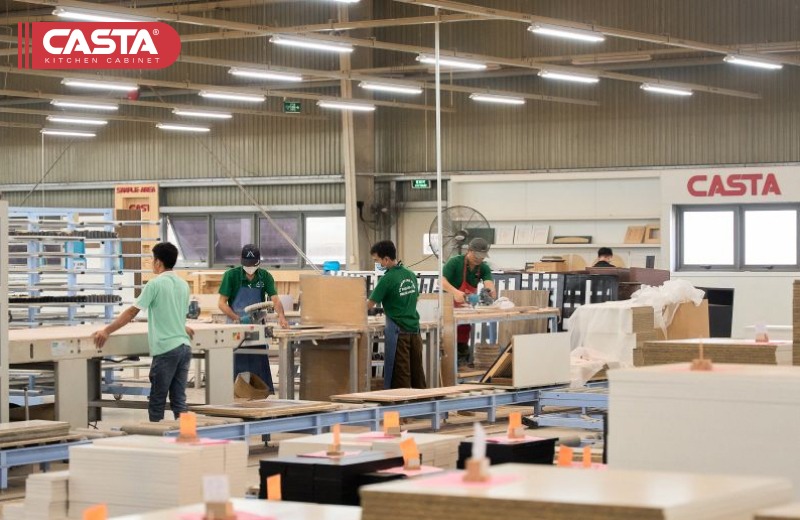
With projects scaling from 10 units to 1,000+, retailers must function as supply chain overseers—ensuring the right products arrive on time, in spec, and ready to install.
1.2 Key Capabilities Professional Buyers Expect
Contractors and cabinet brands choosing a kitchen cabinet retailer now evaluate much more than door samples and pricing.
Essential capabilities include:
- Construction Quality Assurance
Plywood or engineered board stability, hardware durability, and finish system reliability.
- Scalable Production & Inventory Planning
Retailers must replenish stock quickly and fulfill repeat orders—week after week, phase after phase.
- Customization with Predictable Lead Time
Color tweaks, accessory selections, or door style variations must be delivered without delaying the project schedule.
- Compliance & Safety Requirements
Verified CARB certifications, low-emission materials, and transparent sourcing matter for customer health and regulatory approval.
Retailers lacking these capabilities may succeed with small residential projects but struggle to support multi-family developments, dealer networks, or private-label programs.
2. Casta’s Retail Model: Manufacturer-Backed Excellence
2.1 Integrated Manufacturing Foundation
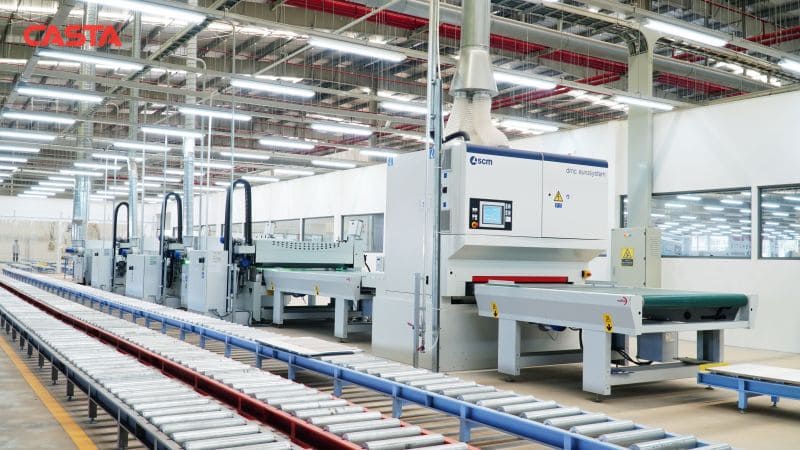
Unlike traditional resellers who source from multiple third-party factories, Casta owns and operates its own manufacturing facility, giving retailers and contractors direct access to the production floor.
Key capabilities include:
- Vietnam-based production campus equipped with European CNC and drilling systems: Delivers millimeter-accurate panel cutting, routing, and joinery
- Automated finishing and coating lines: Ensures surface uniformity across hundreds or thousands of units
- Climate-controlled curing and storage environments: Minimizes warp, surface defects, and moisture-related failures
Because Casta controls production end-to-end, cabinet retailers experience:
- Stable product availability
- Predictable lead times
- Elimination of quality variations associated with multi-factory sourcing
2.2 Product Quality & Craftsmanship Standards
Casta’s retail catalog is built to perform beyond showroom aesthetics, meeting the expectations of professional installers and end users. Quality principles include:
- Strict material selection and structural integrity protocols: Engineered panels, durable core materials, strong joinery, and hardware stability
- Finish consistency across batches and order cycles: The same white, grey, or wood tone looks identical across repeat orders—even months later
- Design execution aligned with modern customer preferences: From timeless shakers to minimalist slabs, Casta develops SKUs with long-term market viability, not short-lived trends
This results in:
- Fewer field issues
- Faster installation
- Reduced customer callbacks and warranty claims
Learn more: Automated Cabinet Manufacturing
2.3 Health & Environmental Certifications
Buyers increasingly expect kitchen cabinet retailers to meet safety and sustainability criteria—not simply aesthetics. Casta supports compliance through:
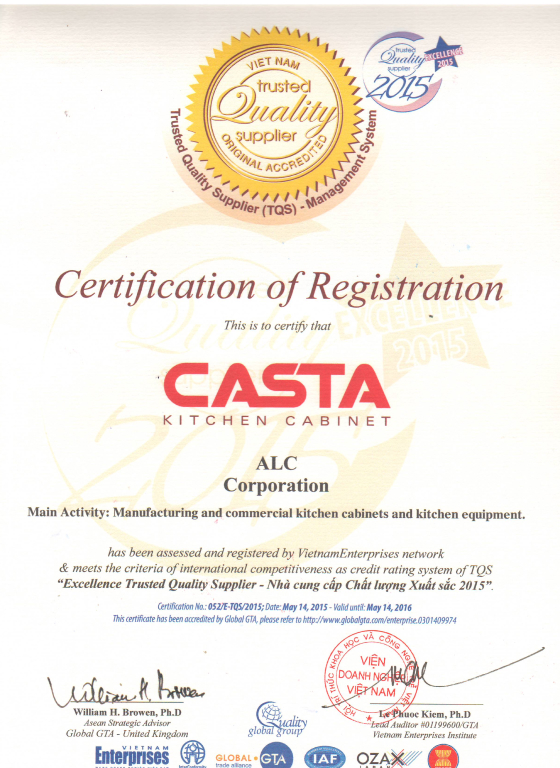
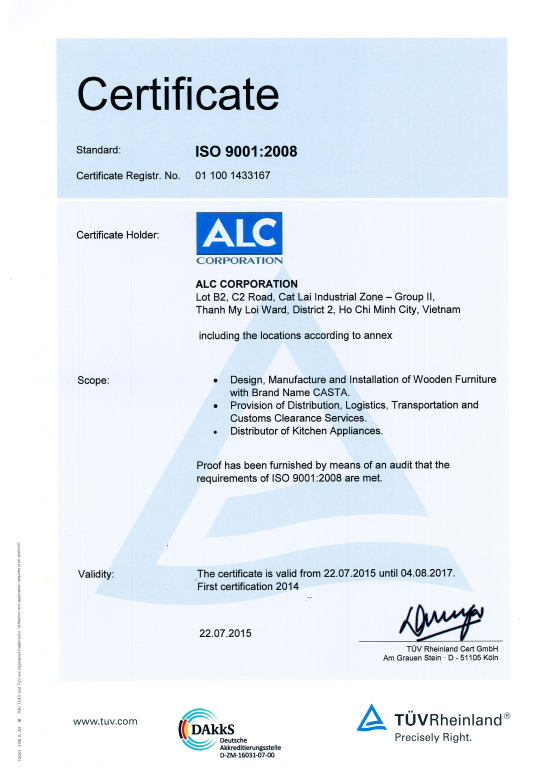
- Certified wood materials approved for North American residential environments: Including CARB Phase 2
- Low-emission, indoor-safe finish systems: Safer for homeowners, installers, and retail staff
- Optional FSC sourcing for sustainability-focused projects
Certification matters because it:
- Protects retailers from liability
- Creates a marketing advantage in competitive retail environments
- Meets requirements for public-funded projects such as rentals, military housing, and hospitality
3. Product Portfolio Built for Kitchen Cabinet Retail Growth
3.1 Core Kitchen Cabinet Categories
A modern kitchen cabinet retailer needs a flexible product range that supports varied buyer needs, installation workflows, and price points.
Casta builds its portfolio to serve multiple audiences—contractors, homeowners, and cabinet dealers.
Key retail-oriented product tiers include:
- Stock & Semi-Custom Cabinet Lines
- Ready-to-sell configurations with reliable inventory
- Efficient for same-week or scheduled installations
- Ideal for high-turnover retail programs and dealer networks
- Custom Kitchen Cabinet Programs
- Made-to-order options for unique finishes, dimensions, or door styles
- Enables retailers to carry distinctive collections not found in standard catalogs
- Supports long-term brand development and curated retail assortments
With both stock and custom capability, retailers gain flexibility to respond to fast-moving trends and structured project requirements.
Learn more: Casta’s ideal cabinets
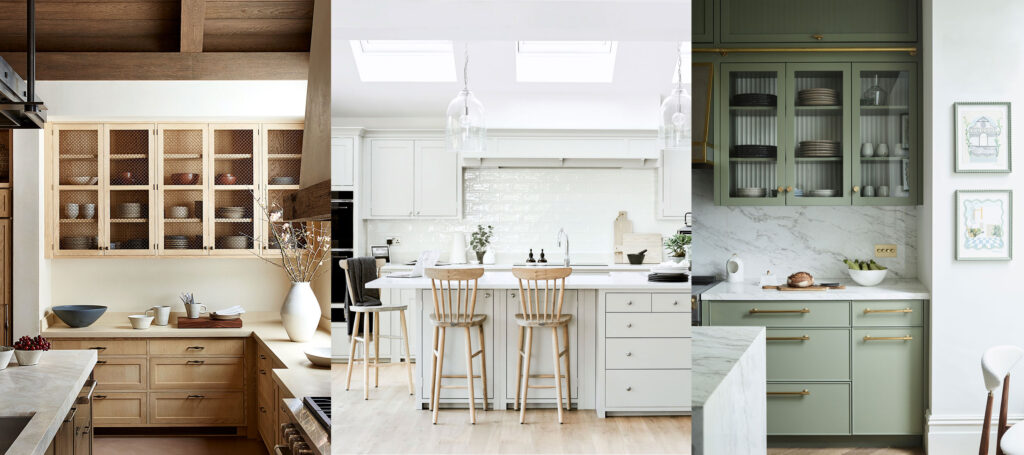
3.2 Door Styles, Finishes & Configurations
Retail success depends on clarity of selection, not overwhelming customers.
Casta’s structured SKU architecture simplifies the decision-making process for dealers and homeowners alike.
Available style and finish paths include:
- Door Profiles Designed to Sell
- Shaker doors for transitional and modern homes
- Slab fronts for minimalist or contemporary spaces
- Recessed-panel and decorative variants where desired: All engineered for consistent machining and alignment
- Finish Options Optimized for Retail
- Painted, matte, and textured laminate surfaces
- Woodgrain patterns that replicate natural species
- High-gloss acrylic selections for contemporary markets: Designed to maintain color stability across replenishment cycles
- Modular Cabinet Configurations
- Base, wall, tall, and specialty units
- Trim and accessory support for full-room planning
- Logical SKU hierarchy that streamlines quoting and showroom displays
This diversity allows retailers to offer curated, confidence-building assortments without stocking hundreds of unnecessary SKUs.
Learn more: Modular Cabinets
3.3 Performance Expectations in End-User Environments
Retail customers expect attractive cabinets—but long-term performance determines brand reputation. Casta engineers every collection to satisfy daily residential demands.
Performance assurances include:
- Structural Strength & Stability
- Engineered cores or plywood carcasses designed for long-term load support
- Precision joinery that maintains alignment throughout lifecycle use
- Resistance to Common Kitchen Conditions
- Tolerance to humidity, temperature fluctuation, and routine cleaning
- Functional hardware tested for repeated opening, closing, and load impact
- Finish & Aesthetic Longevity
- Factory-controlled finishing processes to prevent fading and color shift
- Scratch- and impact-resistant coatings based on selected finish category
These engineering standards help kitchen cabinet retail partners deliver products that not only sell well—but also stand up to years of everyday living.
4. Comparative Analysis: Casta vs Traditional Kitchen Cabinet Retailers
Understanding how different kitchen cabinet retailer models operate helps contractors and cabinet brands select partners aligned with their project scale, pricing goals, and quality expectations.
The three primary distributor models below represent distinct value propositions depending on end-use requirements.
| Retailer Type | Strengths | Limitations | Best-Fit Buyers |
| Local Retailers Without Manufacturing Control | - Proximity and in-person service- Immediate showroom access and consultation | - Higher pricing due to added intermediaries- No direct control of materials or production- Limited ability to support large-scale, repeat projects | Small contractors and retail homeowners |
| Import-Based Retailers Using Third-Party Factories | - Broad style and finish selection- Competitive pricing in standard lines- Stock availability for fast-order needs | - Quality can vary between shipments- Minimal transparency into factory processes- Limited customization or speed when issues arise | Dealers needing fast inventory for short-term projects |
| Casta Manufacturer-Backed Retail Model | - Direct quality control from raw material to final finishing- Customization delivered at scalable volume- Consistent product supply across multiple phases or locations | - Requires early scheduling for large production runs | Contractors, builders, and brands with recurring or expansion projects |
In summary, while traditional cabinet retailers serve localized or short-term needs, Casta’s integrated manufacturer-backed retail approach delivers unmatched consistency, customization, and long-term reliability — ideal for large, repeatable residential or commercial programs.
Learn more: Kitchen Manufacturers Vietnam
5. How to Buy Kitchen Cabinets Wholesale and Sell Retail Successfully
5.1 Understanding the Wholesale-to-Retail Margin Structure
For any kitchen cabinet retailer, profitability depends on understanding how wholesale cost structures translate into sustainable retail pricing. Total landed cost includes several layers:
- Manufacturing and raw materials — the cabinet box substrate, hardware systems, and finishing processes
- Freight and logistics — overseas shipping, inland transportation, and final-mile delivery
- Import duties and compliance fees — tariffs, customs handling, and regulatory processing
- Warehousing and inventory management — storage, labor, and pallet handling
Once inventory lands, retailers set pricing strategies based on:
- Market competition and positioning
- Customer profile (homeowners, contractors, builders)
- Volume-based discount tiers for repeat buyers
Effective margin protection relies on quality consistency, since defective goods, jobsite delays, and warranty returns erode profitability quickly.
5.2 Why Manufacturer-Direct Retailers Reduce Risk
Retailers that purchase through intermediaries often face unpredictable inventory cycles, communication gaps, and inconsistent quality control.
Sourcing directly from manufacturers minimizes those variables and strengthens operational reliability.
Key benefits include:
- Defined accountability from production to post-installation support
- Predictable lead times supported by real production schedules
- Visibility into materials and manufacturing processes
- Faster resolution for replacements and service needs
Working directly with a factory partner allows retailers to plan growth, manage multi-project timelines, and service professional clients with confidence.
5.3 Private Label & Brand-Building Opportunities with Casta
Retailers looking to expand beyond commodity resale benefit significantly from private brand development.
Casta supports this transition through vertically integrated manufacturing and tailored retail programs.
Available capabilities include:
- Private-label SKUs and exclusive cabinet collections
- Brand-aligned packaging and documentation
- Custom door profiles and finish development
- Reliable replenishment for long-term retail continuity
For businesses evaluating how to buy kitchen cabinets wholesale and sell retail, manufacturer-backed programs enable differentiation, price stability, and supply confidence—essentials for establishing a lasting position in the market.
Learn more: Private Label Manufacturer
6. Implementation for Contractors & Cabinet Brands
Choosing a kitchen cabinet retailer has a direct impact on delivery certainty, installation quality, and customer satisfaction.
The steps below outline how professional buyers assess, validate, and onboard a retailer-backed supply partner.
6.1 Selecting the Right Cabinet Program
Before placing orders, contractors and cabinet brands should decide which product tier fits their market and project mix. Key selection criteria include:
- Program type: determine whether stock, semi-custom, or custom cabinets align with your business model
- Stock → fast-moving renovations and rental turnover
- Semi-custom → mid-market resale upgrades or design-driven homes
- Custom → boutique, design-specific projects
- Material and finish requirements: plywood, MDF, multi-layer coating, acrylic, etc.
- Target customer profile: identify whether buyers value price, design variety, or premium craftsmanship
A retailer that aligns with your customer segment reduces product mismatches and pricing conflicts down the line.
6.2 Sampling, Approval & Specification Alignment
Professional buyers should confirm the performance and appearance of cabinets before committing to volume. Best practice includes:
- Requesting physical samples across multiple SKUs (door style, paint color, finish texture)
- Evaluating construction details, such as hinge systems, drawer slides, edge banding, and panel core
- Formal specification sign-off, so both buyer and retailer work from the same material list and finish codes
Clear approvals protect against surprises—especially when reordering for multiple jobs or phases.
6.3 Logistics, Delivery & Retail Readiness
How a retailer handles logistics is often more important than how the product looks in a showroom. Buyers should confirm:
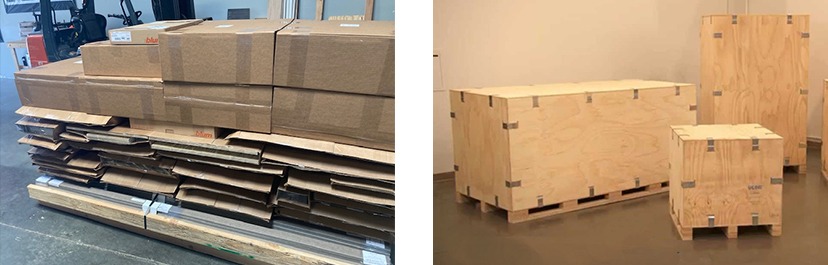
- Packaging durability to withstand warehousing, transport, and jobsite staging
- Shipping and delivery structure: direct to showroom, or batch-delivered to sites
- Lead-time reliability and contingency planning, particularly for container-based products
A retailer—especially one backed by a manufacturer like Casta—should support predictable scheduling, simplify delivery planning, and minimize costly delays.
Learn more: Cabinet Buying Guide
7. Case Application: Scaling a Kitchen Cabinet Retail Program with Casta
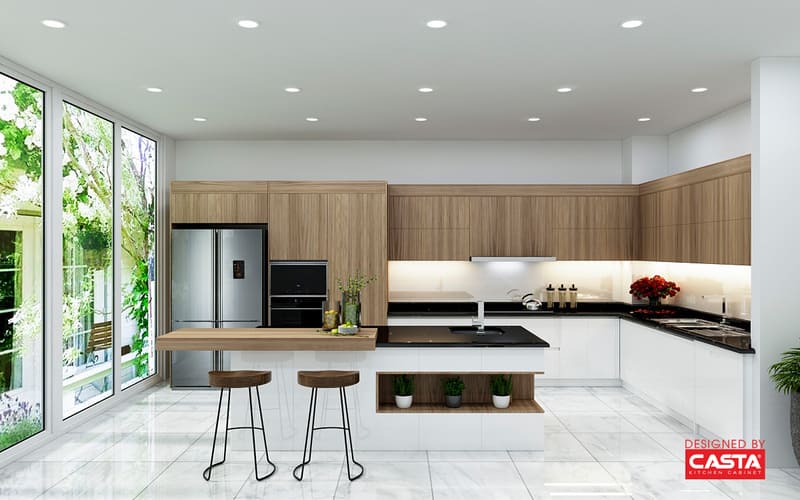
A clear demonstration of manufacturer-backed retail success can be seen in Casta’s 99 Pratt Street project in Hartford, Connecticut, where approximately 330 kitchens were delivered for a high-density redevelopment.
The project illustrates how a kitchen cabinet retailer can scale confidently when sourcing directly from a controlled production environment—ensuring alignment between design intent, stock planning, logistics, and onsite installation.
7.1 Scenario
A retail partner serving both contractors and homeowners experienced rapid volume growth and needed a more predictable supply model. Core objectives included:
- Uniform cabinet quality across hundreds of kitchens and multiple delivery waves
- Reliable wholesale pricing that protected retail margins
- Streamlined SKU selection for sales teams and warehouse handling
- Coordinated deliveries tied to jobsite phase sequencing
After evaluating multiple sourcing paths, the retailer selected Casta for full-cycle supply support.
7.2 Product Selection & Customization
Working directly with Casta’s factory team, the retailer standardized specifications to balance market appeal and operational simplicity:
- Defined SKUs based on best-selling layouts and components
- Neutral finish selections to fit a wide range of resident profiles
- Shaker-style fronts chosen for versatility and lasting relevance
- Optional hardware kits enabling upselling and differentiation at the retail level
The result was a catalog optimized for volume, quick quoting, and consistent delivery.
7.3 Wholesale Pricing & Production Planning
Factory-backed coordination provided clarity and predictability:
- Locked pricing tiers based on multi-phase planning
- Batch manufacturing schedules, ensuring finish and color match continuity
- Export-ready documentation, crating, and labeling to simplify inbound logistics
- Reliable freight timing, reducing the retailer’s warehousing burden
This level of planning allowed the retailer to forecast revenue, set dependable retail pricing, and reduce financial uncertainty.
7.4 Outcomes
The partnership delivered measurable advantages that strengthened retail performance:
- Consistent quality across every installation, reducing callbacks and rework
- Deliveries aligned with construction schedules, preventing workflow interruptions
- Improved customer satisfaction, supporting repeat business and referrals
- Enhanced retail credibility, differentiating the seller in a competitive market
Learn more: Casta’s outstanding international projects
8. Strategic Value of Partnering with Casta
Partnering with Casta provides retailers, contractors, and cabinet brands with advantages that extend far beyond standard wholesale sourcing.
As a manufacturer-backed kitchen cabinet retailer solution, Casta integrates production, quality assurance, and logistics into one coordinated system—allowing retail businesses to scale with confidence.
Strategic Benefits
- Long-term supply stability
Controlled sourcing, factory-led scheduling, and direct inventory pipelines enable retailers to stock consistently and avoid costly backorders—whether supplying a single showroom or multiple storefronts.
- Brand differentiation through customization
Casta supports private-label development, exclusive finishes, and spec-driven cabinet lines that help retailers build recognizable market identities and expand customer appeal.
- Reduced operational and quality risks
Batch-controlled production, certified engineered wood, and structured QC checkpoints reduce warranty claims, minimize installation issues, and strengthen customer satisfaction across every project.
- Competitive advantage in North American retail markets
By combining competitive pricing, scalable output, and CARB-compliant materials, Casta enables retailers to maintain healthy margins and outperform competitors dependent on unstable third-party sourcing.
9. Frequently Asked Questions
What makes a manufacturer-backed kitchen cabinet retailer different?
Can Casta support wholesale and retail programs at the same time?
How does customization affect production timelines?
Are Casta cabinets compliant with North American standards?
What is the minimum order quantity?





Top Cabinet Manufacturers in Florida: A Capability-Based Buy...
Cabinet manufacturers in Florida play a critical role in one of the fastest-growing construction markets in North Americ...
01/10/2026 | David Nguyen
Top North Carolina Cabinet Manufacturers | Best NC Kitchen ...
North Carolina cabinet manufacturers have long been trusted across the U.S. thanks to the state’s deep heritage in woodw...
01/08/2026 | David Nguyen
Top Cabinet Manufacturers in Arizona | Best Arizona Kitchen ...
Cabinet manufacturers in Arizona have gained increasing attention as construction activity accelerates across Phoenix, T...
01/06/2026 | David Nguyen
Top Cabinet Manufacturers Indiana | Best Indiana Kitchen Cab...
Cabinet manufacturers Indiana have become increasingly relevant as contractors and developers look for dependable Midwes...
01/04/2026 | David Nguyen
Top Cabinet Manufacturers in Florida: A Capability-Based Buy...
Cabinet manufacturers in Florida play a critical role in one of the fastest-growing construction markets in North Americ...
01/10/2026 | David Nguyen
Top North Carolina Cabinet Manufacturers | Best NC Kitchen ...
North Carolina cabinet manufacturers have long been trusted across the U.S. thanks to the state’s deep heritage in woodw...
01/08/2026 | David Nguyen
Top Cabinet Manufacturers in Arizona | Best Arizona Kitchen ...
Cabinet manufacturers in Arizona have gained increasing attention as construction activity accelerates across Phoenix, T...
01/06/2026 | David Nguyen
Top Cabinet Manufacturers Indiana | Best Indiana Kitchen Cab...
Cabinet manufacturers Indiana have become increasingly relevant as contractors and developers look for dependable Midwes...
01/04/2026 | David Nguyen
Contact us
Casta is always ready to listen and answer all customers' questions