EN

Ask five contractors what they pay for cabinets and you'll get five different answers, often for nearly identical kitchens. Cabinet discounts for contractors aren't a single price list — the discount a contractor sees depends on how they buy as much as what they buy. This guide breaks down what trade pricing actually means, six common pricing structures, and how to compare quotes on total job cost rather than discount percentage.
What "Contractor Discount" and "Trade Pricing" Actually Mean
"Contractor discount" and "wholesale" get used loosely in this industry, and a headline percentage off can hide freight, lead time, and warranty differences that matter more to the profit on a job. Understanding the terminology is the first step to evaluating cabinet discounts for contractors accurately.
Retail pricing is what a homeowner pays, usually with the supplier's full markup and often with showroom services included.
Contractor or pro pricing is a reduced price offered to verified professionals, often through a trade account or pro desk. This is the most common form of cabinet discounts for contractors in the North American market.
Wholesale or dealer pricing sits closer to the supplier's cost and is typically tied to resale, volume, or a formal dealer relationship.
Factory-direct pricing comes straight from the manufacturer, usually at higher volume and with longer planning horizons.
Why the distinction matters: the same word "discount" can mean a small percentage off a retail list or a fundamentally different pricing model. Always ask what price list the discount applies to before assuming cabinet discounts for contractors from two suppliers are actually comparable.
This guide is written for general contractors, remodelers, kitchen and bath installers, and small builders who buy cabinets regularly and want better pricing without taking on risk they can't manage — along with cabinet and furniture brands evaluating OEM or private-label sourcing at similar volume.
Why Suppliers Offer Trade Pricing
Cabinet discounts for contractors aren't charity — they reflect real economics for the supplier, and understanding where the discount comes from helps you negotiate better terms.
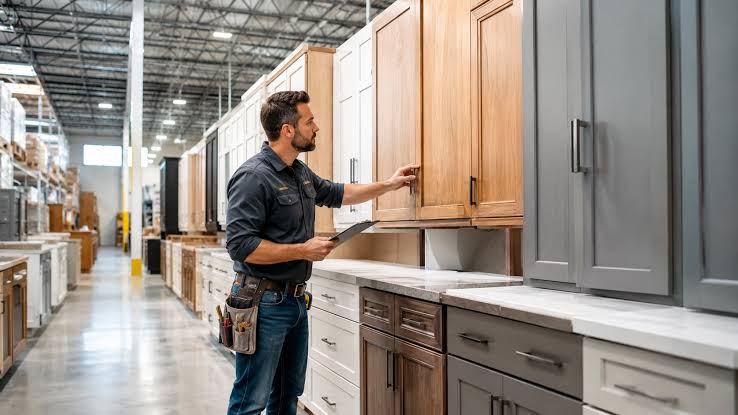
Repeat business. Contractors buy again and again, so winning one often means winning many — this repeat-purchase pattern is a major reason cabinet discounts for contractors exist in the first place.
Lower cost to serve. Professionals usually know what they need, require less design help, and place orders more efficiently than homeowners.
Volume and predictability. A contractor with a project pipeline gives the supplier steadier demand to plan against.
Referral value. Contractors recommend suppliers to clients, other trades, and builders, generating business the supplier never had to advertise for.
You get better terms by offering what suppliers value: volume, repeat orders, clear specs, and reasonable timelines. A contractor who understands this can often negotiate stronger cabinet discounts for contractors than one who simply asks "what's your best price."
6 Ways Trade Pricing Is Commonly Structured
Cabinet discounts for contractors aren't delivered through one mechanism. Suppliers typically use one or a combination of these six structures.
1. Trade Account Discount
A set discount off list price for verified professionals, often applied across the catalog. This is simple and common with distributors and online suppliers, and it may include perks such as account managers or free design help. For many remodelers, this flat-rate model is the first form of cabinet discounts for contractors they encounter.
2. Volume or Tiered Pricing
Price improves as order size or annual spend increases, with defined thresholds. This structure rewards consolidation: fewer, larger orders usually earn more than many small ones.
3. Project-Based Quoting
A custom quote for a specific job, based on the cabinet schedule, specifications, and delivery plan. This is common for multi-unit work, custom products, and imported cabinets, where quantities and specifications vary too much for a flat discount to make sense.
4. Contract or Program Pricing
Pricing agreed in advance for a defined period or set of projects, sometimes locked for phases. This is useful for contractors with recurring or phased work who want cost certainty across a long build cycle.
5. Rebates, Credits, and Loyalty Terms
Credits against future purchases, sample cost credits, or rebates once spend thresholds are reached. Read the conditions carefully, since qualifying rules and deadlines vary significantly between suppliers.
6. Factory-Direct Pricing
Pricing from the manufacturer without distributor markup, typically for larger and planned orders. This often delivers the strongest margin among all forms of cabinet discounts for contractors, with trade-offs in lead time, planning, and order size.

What Qualifies as a Trade or Contractor Account
Requirements vary by supplier and state, but suppliers commonly ask for some combination of the following before extending cabinet discounts for contractors.
- A registered business name or entity
- A business license or contractor's license, where required locally
- A tax ID or EIN
- A resale certificate, where purchases are for resale
- Proof of business activity, such as a website, project photos, or references
- Insurance documentation, in some cases
Why suppliers ask: they need to confirm you're a professional buyer, and in some cases tax rules affect how sales are documented. Practical tip: have your documents ready and organized before applying, since delays in account approval often come from missing paperwork rather than any issue with your eligibility for cabinet discounts for contractors.
Is There a Minimum Project Size for Trade Pricing?
Minimums shape how cabinet discounts for contractors actually apply to your business, and they come in several different forms.
Account minimums. Some suppliers require a minimum annual spend or a set number of projects to keep an account active.
Order minimums. Others set a minimum value or quantity per order.
Project size thresholds. Certain price levels or programs apply only above a set project value.
Container-based minimums. Factory-direct and overseas suppliers often think in container loads, which changes how small and mid-size orders are handled.
Domestic distributors vs. factory-direct. Distributors typically accommodate smaller orders, while factory-direct programs reward planned volume.
The right question isn't "what's the minimum" but "what's the best structure for the volume I actually buy": per project, per quarter, or per year.
How to Set Up a Trade Account, Step by Step
Getting access to cabinet discounts for contractors is a straightforward process once you know the sequence, and most suppliers follow a similar path from application to first order on their cabinet discounts for contractors program.

- Choose suppliers that fit your work. Consider product range, lead times, and support for contractors.
- Gather your documents. Business registration, license, tax ID or EIN, and any required certificates.
- Apply through the supplier's trade or contact channel, and be clear about your business type and expected purchasing.
- Share your project profile: typical project types, annual volume, and the products you buy most.
- Confirm pricing terms in writing: discount level, price lists, validity period, and how tiers or rebates work.
- Clarify account terms: payment terms, deposits, delivery, returns, and warranty process.
- Start with a pilot job to test quality, service, and logistics before relying on the supplier for your biggest projects.
Why the Headline Discount Isn't the Whole Story
A larger discount off an inflated list price can cost more than a smaller discount off a realistic one. This is the single biggest trap in evaluating cabinet discounts for contractors — compare actual prices, not percentages, and never take a quoted discount percentage at face value.
Total job cost includes freight, packaging, damaged-item replacement, assembly labor for RTA, installation time, change-order costs, and warranty support. Lead time affects your schedule and cash flow — cabinets that arrive late can cost more in idle crews than they saved in price. Quality shows up after installation too: callbacks, adjustments, and warranty claims eat margin quietly.
A simple way to compare two quotes:
- Total cabinet price (after discount)
- plus freight and delivery
- plus duties or tariffs, if imported
- plus assembly or extra labor
- plus an allowance for damage, returns, and callbacks
- equals the true cost of the cabinet package for the job
Running this math is the only reliable way to tell which of two offers for cabinet discounts for contractors is actually the better deal, since cabinet discounts for contractors only matter once they're measured against the full landed cost of the job.
How Contractors Can Earn Better Pricing
Cabinet discounts for contractors aren't fixed — contractors who understand supplier economics can actively negotiate stronger terms.
- Consolidate purchases. Combine jobs into fewer, larger orders where timing allows.
- Standardize specifications. Repeating the same door style, finish, and hardware across jobs makes your orders more efficient for the supplier.
- Share a forecast. Even a rough annual volume helps suppliers match you to the right tier.
- Plan ahead. Earlier orders give suppliers time to schedule efficiently, which can improve pricing and reduce rush costs.
- Bundle product types. Kitchens, vanities, and laundry cabinets together often earn better terms than separate purchases.
- Ask for quotes at several quantities, to see where the price breaks fall.
- Be a reliable account. Accurate drawings, timely approvals, and on-time payment make you a customer suppliers want to keep.
Learn more: Top 10 Vanity Manufacturers Setting the Standard
Trade Pricing on Imported and Factory-Direct Cabinets
Factory-direct sourcing is where the strongest cabinet discounts for contractors tend to live, but it comes with planning requirements domestic suppliers don't have.
Shipping container being loaded with cabinets for a contractor order Shipping container being loaded with cabinets for a contractor order
Where it fits. Contractors with a steady pipeline, multi-unit work, or a growing remodeling business can benefit from factory-direct pricing, especially on planned, repeatable specs.
Planning horizon. Overseas supply requires lead time for drawings, samples, production, and shipping, so it suits projects scheduled months ahead more than urgent jobs.
Landed cost matters. Include freight, duties and tariffs, insurance, and delivery. Tariff policy has changed repeatedly, so confirm current figures with a customs broker.
Learn more: Logistics & Import: Streamlining the Shipping and Customs Process
Use both channels. Many contractors combine a factory-direct partner for planned volume with a local supplier for urgent needs.
Quality checks. Request samples, confirm compliance documents, and consider a pilot order before committing to a large program.
Red Flags in Contractor Pricing Offers
Not every offer labeled as cabinet discounts for contractors is what it claims to be, and a few recurring patterns separate a genuine trade program from a marketing gimmick. Watch for these warning signs.
Warning sign icon over a misleading discount advertisement Warning sign icon over a misleading discount advertisement
- A "wholesale" price that is really a retail price with a coupon
- Discounts that apply only to inflated list prices
- Vague or verbal pricing terms with nothing in writing
- Hidden fees for freight, handling, or changes
- Pressure to buy large quantities before you've seen samples
- No clear process for damaged or defective items
- Unwillingness to provide compliance or certification documents
A Contractor Trade Pricing Checklist
Use this checklist to evaluate any offer of cabinet discounts for contractors before signing an account agreement, whether it comes from a local distributor or an overseas factory.
Contractor checking off items on a trade pricing checklist Contractor checking off items on a trade pricing checklist
- Business documents ready (registration, license, tax ID, resale certificate if needed)
- Discount basis understood (what price list, what percentage, what exclusions)
- Tier or volume structure confirmed and written down
- Minimums clarified (account, order, project, container)
- Freight, packaging, and delivery costs included in comparison
- Duties and tariffs included for imported cabinets
- Lead times and scheduling confirmed
- Warranty and claims process understood
- Samples reviewed, and a pilot job planned if new to the supplier
- Payment terms and deposits clear
Questions to Ask a Supplier About Contractor Pricing
These questions get past the marketing language and show whether a supplier's cabinet discounts for contractors are structured fairly.
Contractor on a phone call asking a supplier about pricing terms Contractor on a phone call asking a supplier about pricing terms
- Do contractors get special pricing on bulk cabinet orders, and how is it structured?
- What qualifies as a contractor or trade account, and what documents do you need?
- Is there a minimum project or order size for trade pricing?
- How do I set up an account, and how long does approval take?
- Does pricing improve with volume, and at what points?
- Is pricing locked for multiple jobs or phases, and for how long?
- What's included in the price, and what's billed separately?
- How are damaged or defective items handled?
- Can I get a sample or pilot order before committing to larger volumes?
Supplier Spotlight: Casta Cabinetry
Founded in 2002, Casta is a Vietnam-based manufacturer specializing in kitchen cabinets, vanities, and custom furniture, with over two decades in the industry offering cabinet discounts for contractors through factory-direct programs.
Learn more: Sourcing Cabinets and Furniture from Vietnam: Your Ultimate Guide
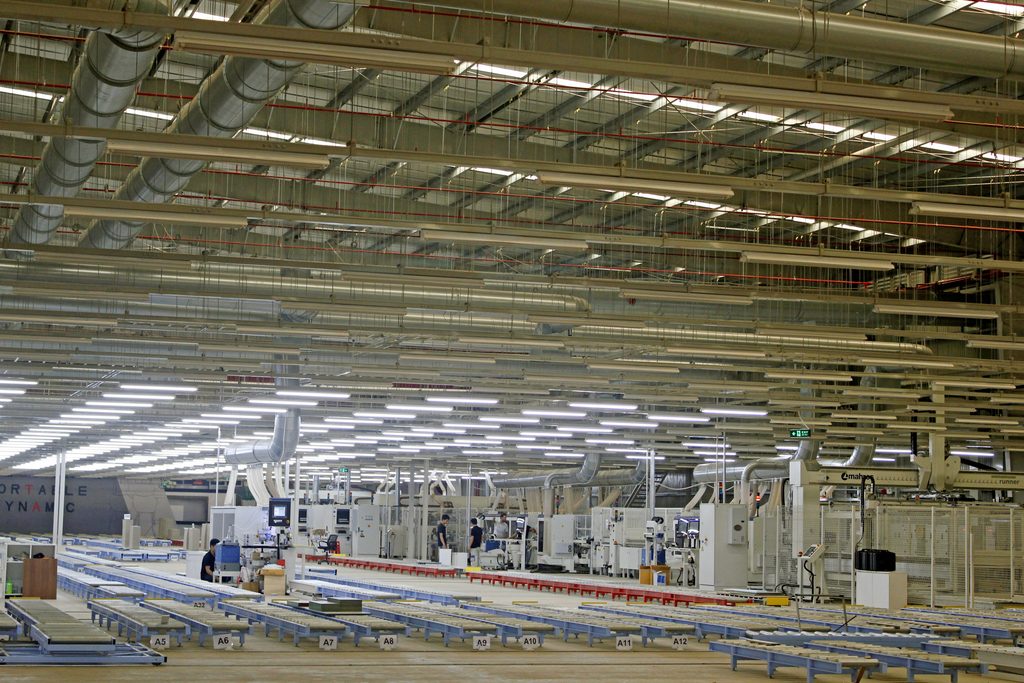
Casta positions itself as a partner for wholesalers and contractors, offering factory-direct kitchen cabinets, with both custom and standard designs. Wholesale programs include pricing tiers based on multi-phase planning, and batch manufacturing schedules to keep finish and color consistent across deliveries, which suits contractors running multiple jobs or phases.
Casta offers both RTA (flat pack) and fully assembled options, with export-ready packaging and labeling by unit, room, or phase, and OEM and private-label capability for contractors who want to build their own product line.

The process starts with discovery, then shop drawings and a transparent quotation, a physical sample for approval, and mass production under a dedicated QA/QC team, with a standard lead time of 45–60 days from shop drawing approval. Casta operates two factories spanning over 100,000 m², using European machinery from brands including SCM, Homag, and Cefla, with manufacturing automation reaching roughly 90% and capacity of up to 200 containers per month.
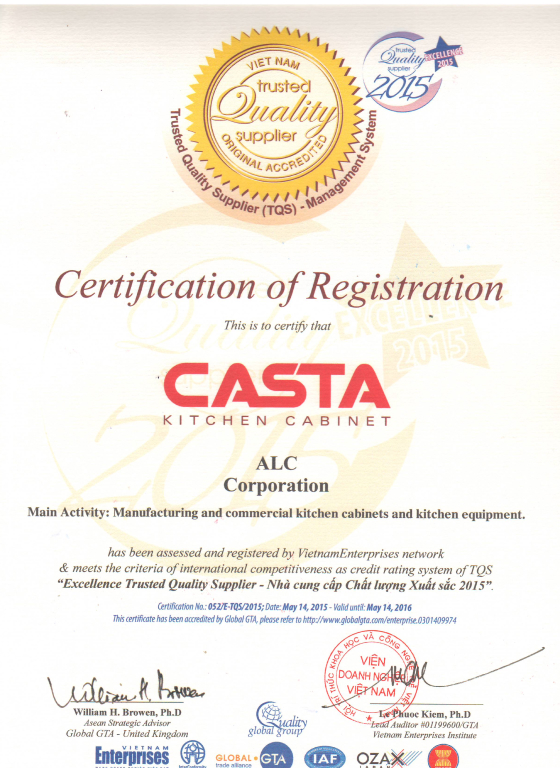
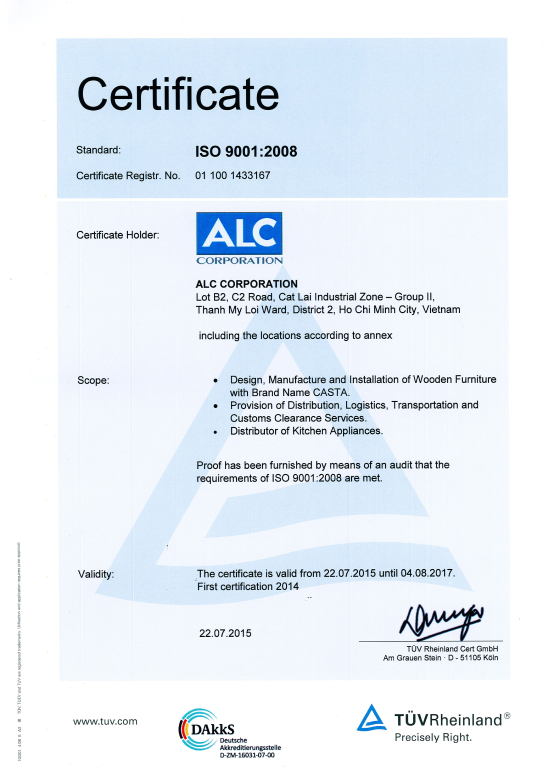
Materials are sourced to meet standards including European E1, JIS, CARB, and FSC, alongside BSI and BSCI, with TCVN ISO 9001:2015 quality management and KCMA certification. Over 80% of production is exported, primarily to the U.S., supported by sales and service offices in California, Texas, and New York.
Learn more: Casta’s outstanding international projects
Pricing depends on product mix, specification, volume, and delivery terms, so cabinet discounts for contractors through Casta are best confirmed through a project-specific quotation and a written agreement rather than a general discount rate.
FAQ
Do contractors get special pricing on bulk cabinet orders?
What qualifies as a contractor or trade account?
Is there a minimum project size for trade pricing?
How do I set up a trade account?
Is factory-direct pricing better than a distributor's contractor discount?
Can I get trade pricing across multiple jobs or phases?
Conclusion
Cabinet discounts for contractors are best understood as a set of structures, from account discounts to volume tiers to factory-direct programs, not a single percentage off. The best deal is the one with the lowest total cost to complete the job, once freight, lead time, labor, and warranty support are counted alongside price. Contractors earn stronger cabinet discounts for contractors by consolidating orders, standardizing specifications, sharing forecasts, and planning ahead.
Casta Cabinetry, with factory-direct pricing, multi-phase pricing tiers, flexible RTA and assembled options, and U.S.-based points of contact, is a strong starting point for contractors who want to discuss trade pricing for upcoming projects.
Contact Casta Cabinetry's team with your project types, specifications, and expected volume to request a trade pricing quotation.






Cabinet Specifications & CAD Drawings for Architects and...
Architects and designers rarely buy cabinets, but they decide a great deal about which cabinets get bought. A well-organ...
10/04/2026 | David Nguyen

Bulk Cabinet Supply for HOA & Multifamily Renovation Pro...
Renovating cabinets across dozens or hundreds of units is a different job from building new. The buildings are often occ...
10/02/2026 | David Nguyen

New Construction Cabinet Packages for Homebuilders and Devel...
On a new construction project, cabinets are rarely a one-off purchase. A construction cabinet package has to match unit ...
09/30/2026 | David Nguyen

Sample Program for Wholesale Buyers: How to Evaluate Quality...
For a cautious wholesaler, a cabinet sample is the cheapest insurance in the whole buying process. It costs a fraction o...
09/28/2026 | David Nguyen
Cabinet Specifications & CAD Drawings for Architects and...
Architects and designers rarely buy cabinets, but they decide a great deal about which cabinets get bought. A well-organ...
10/04/2026 | David Nguyen
Bulk Cabinet Supply for HOA & Multifamily Renovation Pro...
Renovating cabinets across dozens or hundreds of units is a different job from building new. The buildings are often occ...
10/02/2026 | David Nguyen
New Construction Cabinet Packages for Homebuilders and Devel...
On a new construction project, cabinets are rarely a one-off purchase. A construction cabinet package has to match unit ...
09/30/2026 | David Nguyen
Sample Program for Wholesale Buyers: How to Evaluate Quality...
For a cautious wholesaler, a cabinet sample is the cheapest insurance in the whole buying process. It costs a fraction o...
09/28/2026 | David Nguyen
Contact us
Casta is always ready to listen and answer all customers' questions