EN
On a new construction project, cabinets are rarely a one-off purchase. A construction cabinet package has to match unit plans, land on a construction schedule, and hold up across dozens or hundreds of identical kitchens and baths.
Builders and developers shop differently from remodelers. They care about repeatability, schedule certainty, and per-unit cost far more than individual product options. This guide is for homebuilders, production builders, multi-family and build-to-rent developers, and general contractors sourcing cabinets for new construction. It covers what a construction cabinet package typically includes, how to standardize across units, how pricing works on large projects, how to plan delivery around the schedule, and what to compare before choosing a supplier.
Why Builders Buy a Construction Cabinet Package
Builders rarely order cabinets item by item. A construction cabinet package bundles the whole scope into a single, repeatable purchase, and there are four good reasons for that.
Repeatability. One approved construction cabinet design rolled out across many units reduces engineering time, errors, and decision fatigue.
Budget certainty. A per-unit or per-package price fits a pro forma far better than item-by-item pricing that shifts with each change.
Schedule control. Cabinets sit on the critical path between drywall and finish work. A construction cabinet package approach lets you plan delivery against construction milestones instead of reacting to them.
Consistency. Matching finishes and dimensions across phases and buildings protects the look and resale or leasing appeal of the whole project.
The practical takeaway: for builders, the best homebuilder cabinet supplier isn't just the one with the best price per cabinet. It's the one that can deliver the same product, on schedule, across the whole project.
What a Construction Cabinet Package Typically Includes
Packages vary by supplier, so confirm each item rather than assuming it's covered. A complete construction cabinet package for new homes usually covers the following:
- Kitchen cabinets: base, wall, and tall units, sized to your unit plans.
- Vanities and bath storage: matched to the kitchen finish or specified separately.
Learn more: Top 10 Vanity Manufacturers Setting the Standard
- Utility and laundry cabinets, where the plans call for them.
- Finishing components: filler strips, toe kicks, finished end panels, and trim pieces that make the installation look complete.
- Hardware: hinges, drawer slides, and pulls or knobs if specified.
- Drawings and schedules: unit-by-unit layouts, cabinet schedules, and shop drawings for approval.
- Packaging and labeling: identification by unit, room, or phase so crews can install efficiently.
- Installation support materials: instructions, diagrams, or technical guidance.
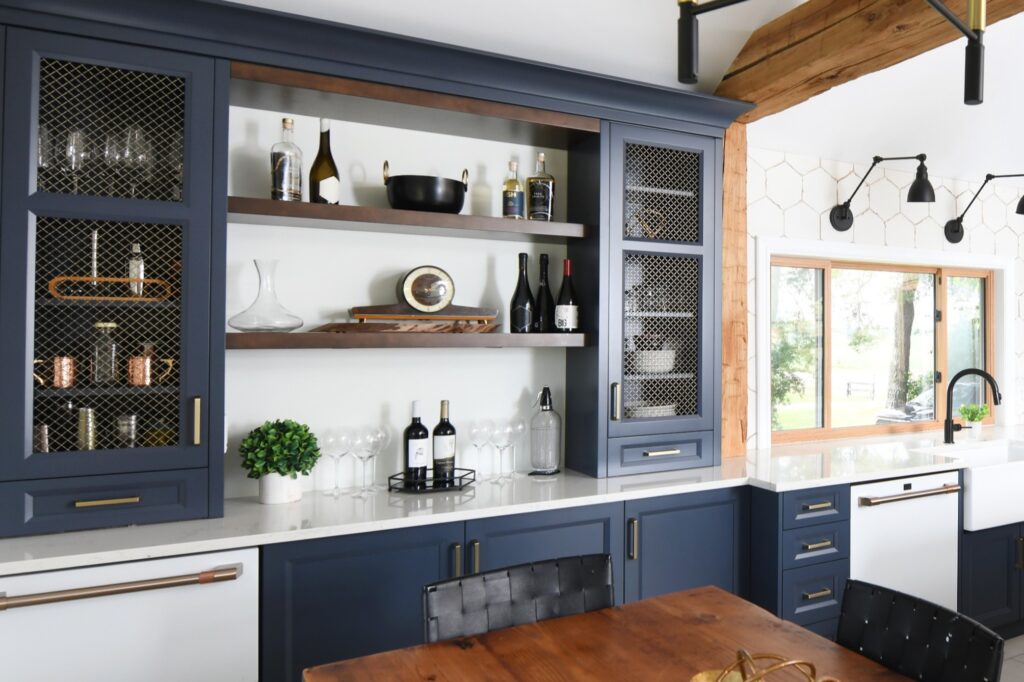
What's usually separate: countertops, appliances, plumbing, and installation labor. Ask what's in the package and what isn't, and how delivery to the site is handled.
Standardizing a Construction Cabinet Package Across Multiple Units
Standardization is where much of the cost advantage comes from. Fewer variations mean more efficient production, simpler logistics, and fewer mistakes. For production home cabinets in particular, a handful of repeating layouts usually covers most of the project.
- Start with a unit-type matrix. List every floor plan and the cabinet layout each one needs.
- Limit the options. A small set of door styles, finishes, and hardware keeps production efficient and installation straightforward.
- Define a base package and upgrade options. A base spec for standard units, with defined upgrades for premium units, gives buyers choice without creating one-off kitchens.
- Freeze the construction cabinet design early. Changes after drawings are approved are the most common source of cost and delay.
- Plan for repeat phases. If a project is built in stages, specify that later phases will use the same design, finish, and dimensions so deliveries match.
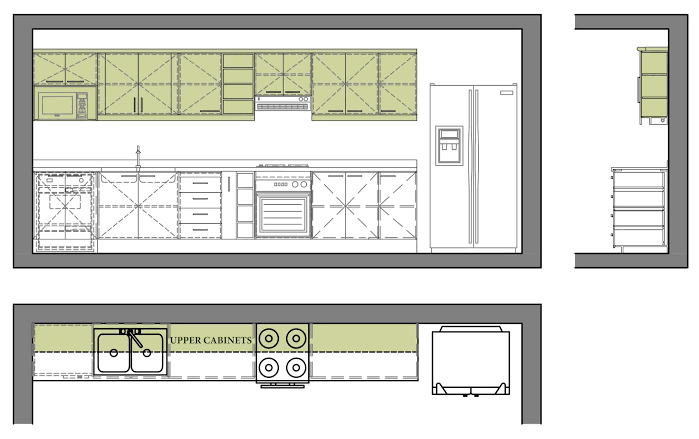
A unit-type matrix is a simple spreadsheet, but it forces the early decisions that make a construction cabinet order predictable. Without it, variations tend to creep in one unit at a time.
What "Builder-Grade" Does and Doesn't Mean
Builder-grade construction cabinets generally refer to cost-efficient, standardized cabinetry specified for production homes, rentals, and multi-family projects, rather than a custom or luxury product. It doesn't have to mean poor quality. The right spec balances durability, appearance, and budget for the intended use.
A rental turns over often and needs durable finishes, while a for-sale home may need a more upgraded look. This distinction matters when sourcing builder grade cabinets in bulk orders, because the same label can describe very different products from different suppliers.
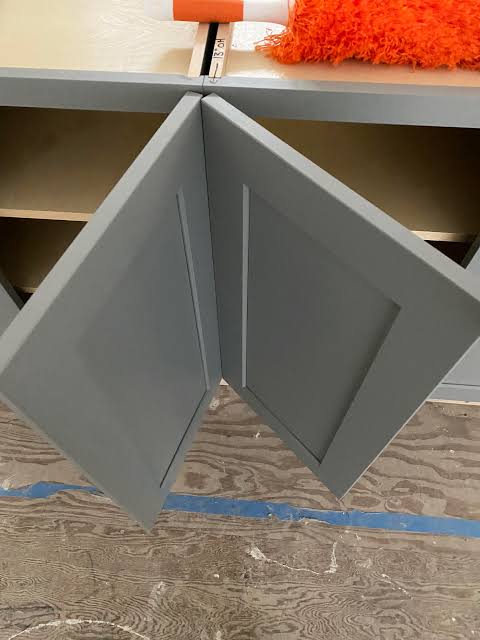
What to define in your spec: box material, door construction, finish type, hardware level, and performance expectations, so suppliers are quoting the same thing. Decide your standard for each product tier before collecting quotes, and compare suppliers against that standard, not against each other's marketing language.
Production Home Cabinets vs. Multi-Family Construction Cabinets
Not every builder project needs the same spec, and production home cabinets differ from multi-family cabinets in ways that change both the package and the budget. Treating them as one category is a common source of over-specifying or under-specifying.
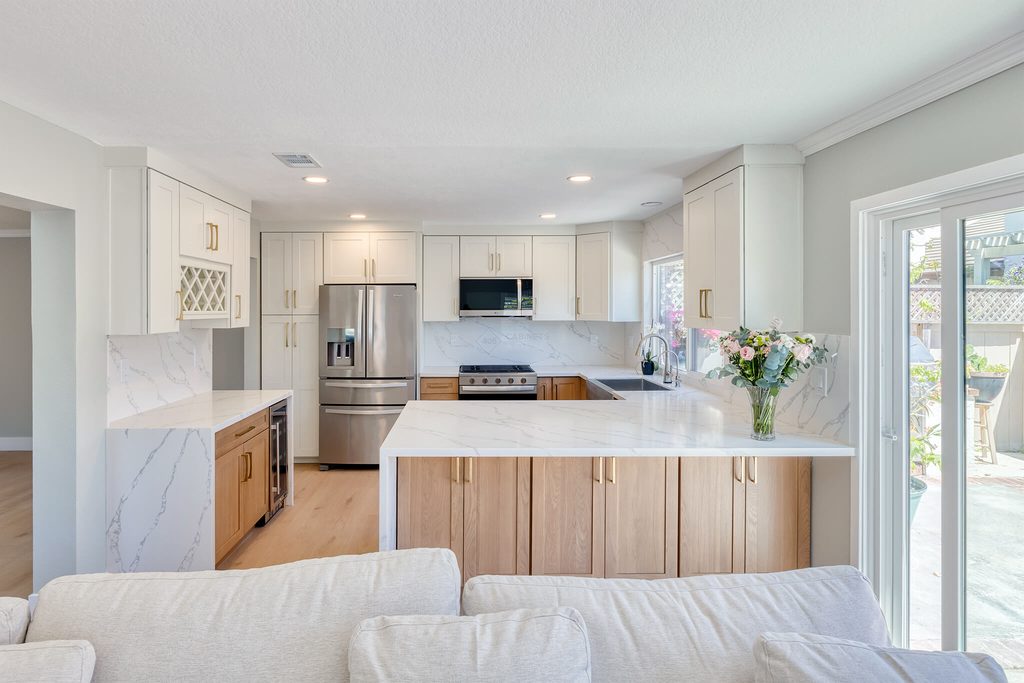
For-sale production homes usually balance appearance and cost, since the cabinets are part of what a buyer sees on the tour. Builders in this segment often define a base construction cabinet package and a short list of upgrade options, so buyers can choose a look without creating custom work for every house. Consistency matters because neighboring homes are compared directly.
Multi-family and build-to-rent projects lean toward durability and speed. Units turn over, so finishes need to stand up to repeated use, and installation crews benefit from a very limited set of layouts. Because these programs can run for years across several phases, it also helps to ask the supplier about spare parts and extra units, so a damaged door or drawer front can be replaced years later with a matching part.
Learn more: Best Multifamily cabinet manufacturers
The practical point is to write the spec for the use. A construction cabinet package built for a rental portfolio and one built for a for-sale subdivision can share a factory and a design language while still differing in box material, finish, and hardware level.
How Pricing Works for a Construction Cabinet Package
Developer cabinet package pricing looks different from a retail quote, because the buyer is pricing a program, not a product. Understanding the basis of a quote is the first step to comparing suppliers fairly.
- Pricing basis: large projects are commonly quoted per unit or per kitchen, per cabinet schedule from a takeoff, or per linear foot. Ask which basis a supplier uses and make sure you compare like with like.
- What moves the price: specification (materials, finishes, hardware), unit mix, total volume, packaging and labeling needs, shipping terms, and delivery schedule.
- Phased pricing: some suppliers will quote a construction cabinet program against the total planned volume while delivering in phases, which can give you volume-based pricing without taking everything at once. Understand what happens if the plan changes.
- Change-order exposure: ask how design changes, quantity changes, or finish changes after approval are priced and what deadlines apply.
- Landed cost: for imported cabinets, include freight, duties and tariffs, insurance, and delivery to the site. Tariff policy has changed repeatedly, so confirm current rates with a customs broker when budgeting.
Learn more: Logistics & Import: Streamlining the Shipping and Customs Process
- Payment structure: deposits and milestone payments are common on large orders. Clarify them before signing.
Why per-unit price alone can mislead: a lower unit price with weak labeling, poor packaging, or loose schedule control can cost more in site labor and delay than it saves. A construction cabinet quote should be judged on the total cost to get cabinets installed, not the number on the first line.
Planning Construction Cabinet Delivery Around the Schedule
Delivery timing is where many projects lose time and money. Planning kitchen cabinets construction deliveries well means working from site milestones, not from the supplier's calendar.
Work backward from site milestones. Construction cabinets are typically needed after drywall and painting preparation, so start from that date and subtract installation time, delivery, shipping, production, and drawing approval.
Allow for approvals. Shop drawing review, sample approval, and design freeze all take time, and they happen before production starts.
Add buffer. Overseas projects especially need slack for shipping and port delays.
Learn more: Lead Times & Supply Chain Resilience: Navigating Potential Disruptions
Coordinate with the general contractor, so cabinet arrival matches site readiness and storage capacity.
Consider phased delivery. Splitting shipments by building, floor, or stage reduces on-site storage, lowers damage and theft risk, and keeps cash from being tied up in cabinets that won't be installed for months.
Site Logistics for a Construction Cabinet Package: Labeling, Packaging, and Installation Efficiency
Once construction cabinets leave the factory, the details of packaging and labeling decide how smoothly installation goes. These are small items that have an outsized effect on a multi-unit job.
Unit and room labeling. Every box should identify where it goes. On a project with many identical kitchens, clear labeling saves more installation time than almost any other detail.
Protective packaging. Moisture barriers, corner protection, and cushioning reduce damage across ocean freight and site handling.
Learn more: ISTA Package Testing Standards
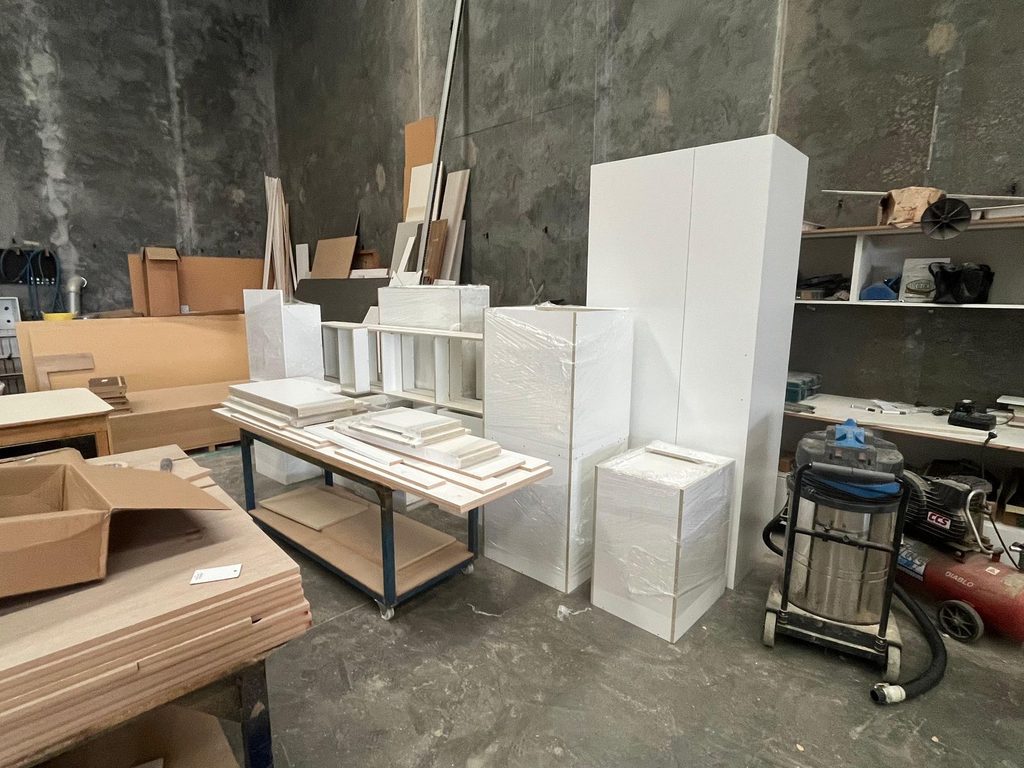
RTA vs. assembled. Flat-pack ships more efficiently and reduces freight cost per unit, but requires assembly labor. Assembled cabinets speed installation but need more shipping space and careful handling. Choose based on your labor costs and site conditions.
Learn more: What are RTA cabinets?
Storage and handling. Plan where cabinets will be stored, how they'll be protected from weather, and who is responsible for inspecting deliveries.
Installation guidance. Instructions, diagrams, and technical support help crews work consistently, especially when different installers work across phases.
Quality, Compliance, and Consistency Across Units
On a large project, a quality problem with construction cabinets repeats across every unit. That makes upfront checks on compliance and consistency worth more than they would be on a single kitchen.
- Material compliance: composite wood cabinets sold in the U.S. need to meet formaldehyde emission standards under TSCA Title VI, which aligns with CARB Phase 2. Ask for documentation.
Learn more: Formaldehyde free cabinets
- Green building requirements: if your project targets LEED or similar programs, ask about FSC chain-of-custody documentation and how it will be supplied.
- Samples and mock units: approve a physical sample or a model unit before production, and keep it as the reference standard for the whole project.
- Inspection: agree on inspection procedures before shipment, and consider a third-party inspection for large orders.
- Warranty and claims: confirm warranty terms in writing and how damaged or defective units are handled across multiple shipments.
- Consistency across batches: ask how color, finish, and dimensions are kept consistent between production runs, especially if later phases are built months after the first.
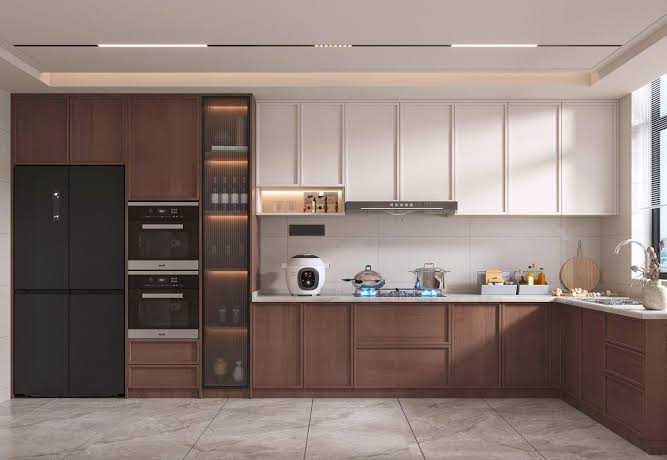
The model unit is the cheapest insurance on this list. It gives the builder, the supplier, and the installers one physical standard to point to when questions come up later.
Domestic, Local, and Overseas Supply for Construction Cabinets
Where you source construction cabinets changes the planning requirements more than almost any other decision. Each option has real strengths, and the right answer depends on the project.
| Domestic / Local Supply | Overseas Factory-Direct | |
| Lead time | Typically shorter | Longer, needs advance planning |
| Pricing | Often higher per unit | Often stronger at volume |
| Customization | Varies, often limited at scale | Often broader, including private label |
| Flexibility on short notice | Better | Requires planning and buffer |
| Logistics | Simpler | Container shipping, customs, port handling |
| Best fit | Small or urgent jobs | Multi-unit, multi-phase, planned programs |
Many builders combine both for construction cabinets: overseas supply for planned, repeatable volume and local supply for urgent top-ups. The deciding factor is usually planning horizon. If you know your delivery needs months ahead, overseas supply becomes much more practical.
Learn more: Vietnam vs China Cabinet Manufacturers: A Comparative Analysis
5 Things to Compare Before Choosing a Construction Cabinet Supplier
The sections above cover what to check in detail. Before you commit, a short final pass will catch most of the problems builders run into.
- Compare like with like. Make sure every construction cabinet quote covers the same specification, package scope, and landed cost, including freight and duties for imported cabinets.
- Start early. Leave enough time for drawings, a model unit or sample approval, and shipping before cabinets are needed on site.
- Keep variations low. Fewer door styles, finishes, and unit layouts mean smoother production and fewer errors.
- Plan delivery around the schedule. Phased shipments with clear unit labeling avoid paying to store and protect cabinets that won't be installed for months.
- Confirm support. Look for a supplier that reviews drawings carefully, provides compliance documents, and has a clear point of contact in the U.S.
A Construction Cabinet Package Checklist
Use this checklist to keep a construction cabinet program on track from specification to delivery:
- Unit-type matrix and cabinet schedule prepared
- Base package and upgrade options defined
- Specification written for box, door, finish, and hardware
- Package scope confirmed (components, drawings, hardware, trim)
- Pricing basis and change-order terms understood
- Delivery plan built backward from site milestones, with buffer
- Phased delivery and labeling requirements agreed
- Sample or model unit approved and retained
- Compliance and inspection requirements documented
- Warranty and claims process confirmed in writing
- Landed cost estimated for the full project
Questions to Ask a Supplier About a Construction Cabinet Package
The answers to these questions show quickly whether a supplier understands builder projects or is treating them like retail orders.
- Do you offer cabinet packages for new construction, and what's typically included?
- Can you support standardized packages across multiple units and phases?
- How do you price large projects, and how are changes after approval handled?
- Can you split deliveries by building, floor, or stage?
- How are cartons labeled and packaged for jobsite installation?
- What drawings and takeoff support do you provide?
- How do you keep finish and dimensions consistent across production batches?
- What compliance and inspection documentation can you supply?
- Who is my U.S. point of contact during the project?
Supplier Spotlight: Casta Cabinetry
As a practical reference point for how a factory supports a construction cabinet program, it helps to look at how Casta Cabinetry works with builders and developers.
Founded in 2002, Casta is a Vietnam-based manufacturer specializing in kitchen cabinets, vanities, and custom furniture, with over two decades in the industry. It works with multi-family contractors, wholesalers, and builders, and states collaboration on over 20,000 apartment projects, delivering framed and frameless cabinets, and has worked with developers and partners on real estate projects in the U.S. and internationally.
Learn more: Why Choose Vietnam for Cabinet and Furniture Manufacturing?
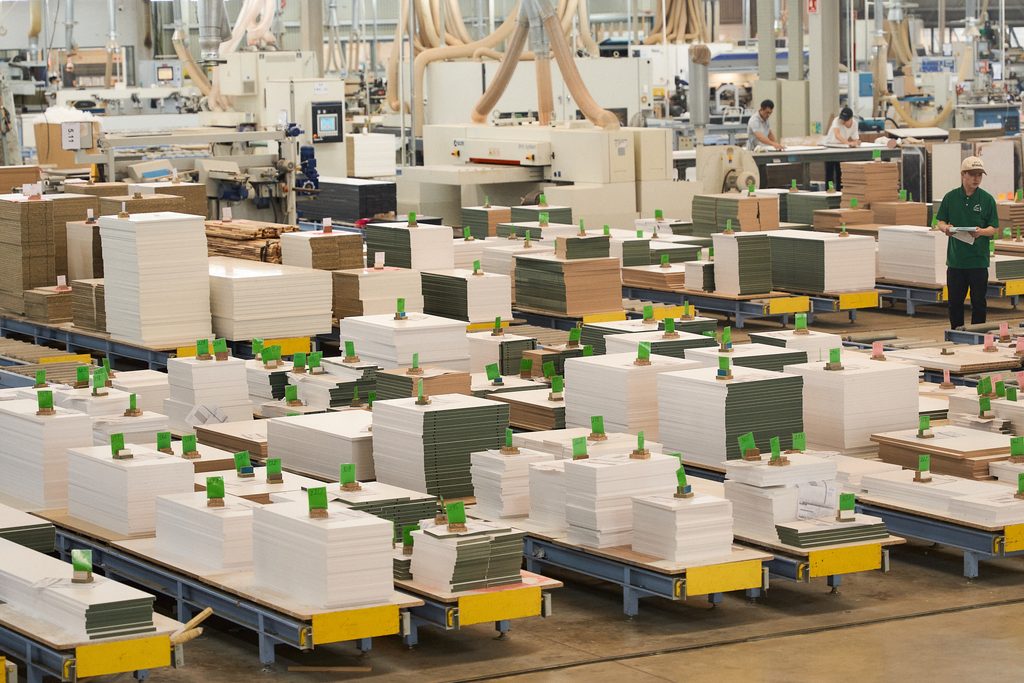
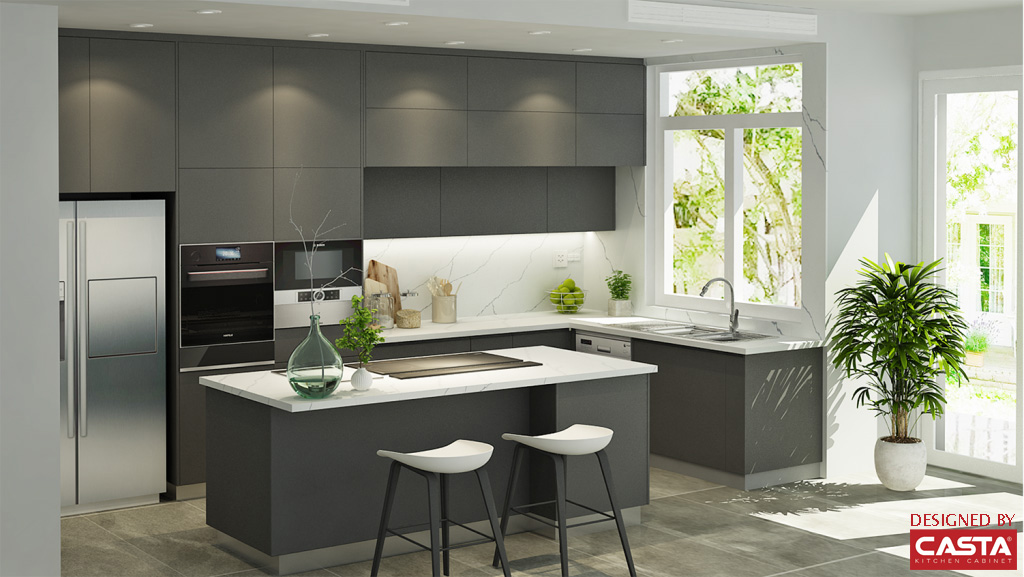
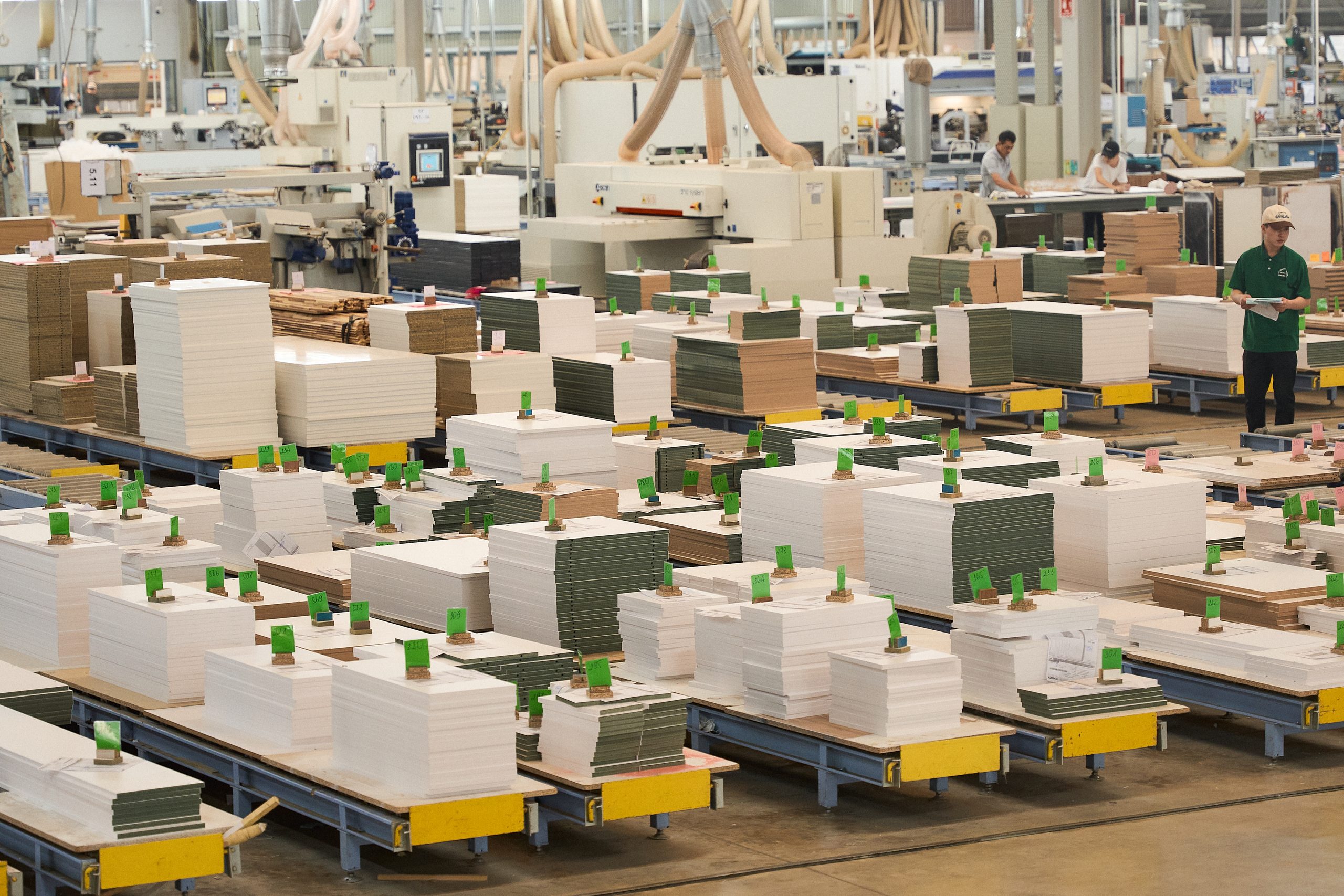
Project logistics are built around the way developers work: packaging by unit and floor, labeling per unit, per room, or per project phase, and moisture-resistant wrap, corner cushions, and foam spacers for long-haul shipping. Large projects can request phased shipping by floor, building, or installation stage, with production split across containers and timeframes, and panels can be cut, drilled, and barcoded in groups assigned to specific apartments.
Casta supports both RTA (flat pack) and fully assembled construction cabinets, with installation guidance such as diagrams and labeling systems for multi-unit projects. The process starts with discovery, then shop drawings and quotation, a physical sample for approval, mass production under a dedicated QA/QC team, and delivery planning handled by a logistics team. Standard lead time is 45–60 days from shop drawing approval.
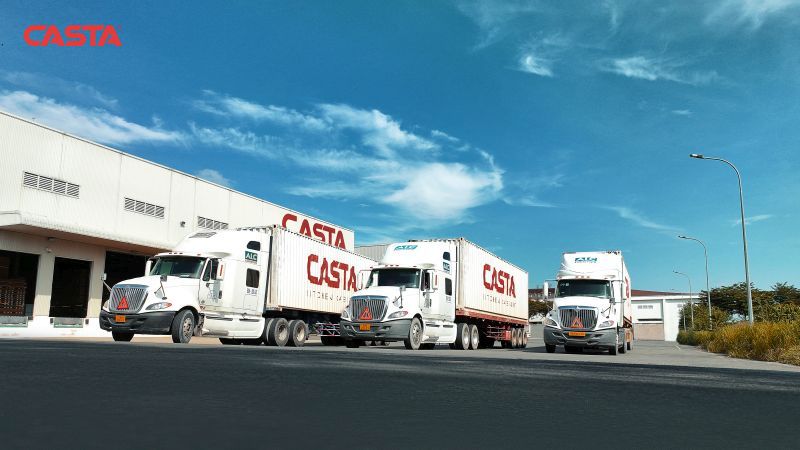
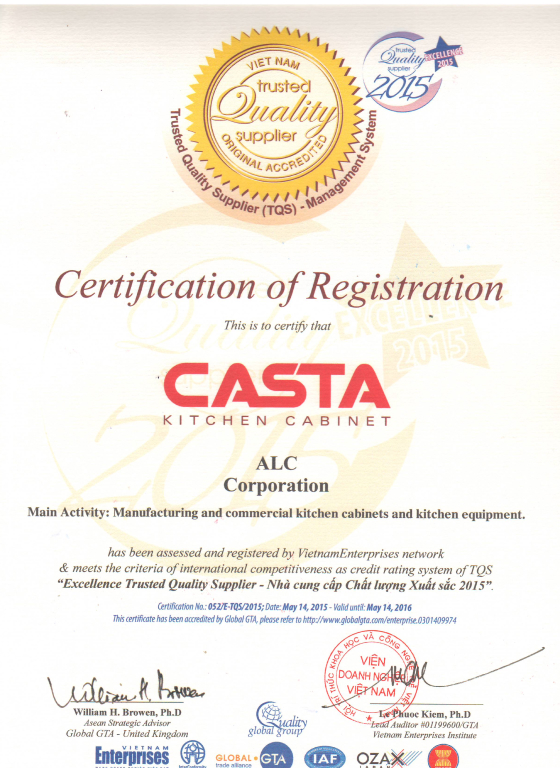
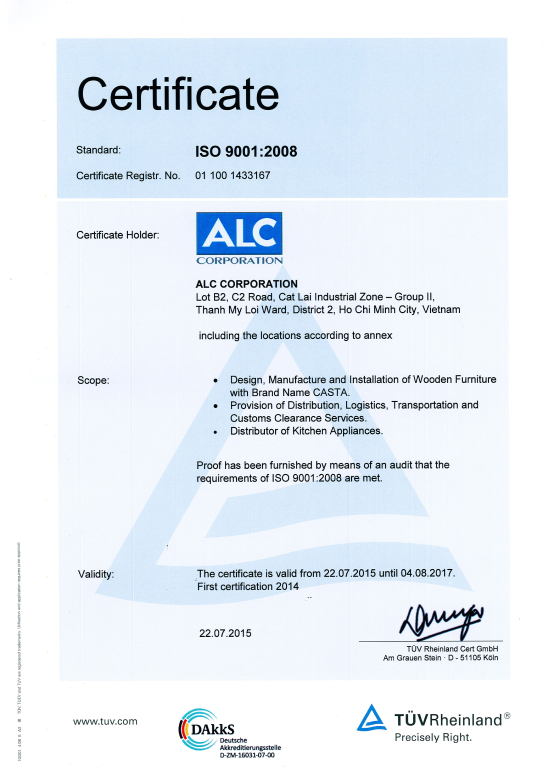
It operates two factories spanning over 100,000 m², using European machinery from brands including SCM, Homag, and Cefla, with manufacturing automation reaching roughly 90% and capacity of up to 200 containers per month. Materials are sourced to meet standards including European E1, JIS, CARB, and FSC, alongside BSI and BSCI, with TCVN ISO 9001:2015 quality management and KCMA certification.
Learn more: Cabinet certification
Over 80% of production is exported, primarily to the U.S., supported by sales and service offices in California, Texas, and New York. Package contents, pricing, and delivery phasing depend on each project's unit mix, specification, and schedule, so they're best confirmed through a project-specific quotation and written agreement.
Learn more: Finding and Partnering with Vietnam Cabinet Manufacturers
FAQ
Do you offer cabinet packages for new home construction?
Can builders get standardized packages for multiple units?
What is included in a new construction cabinet package?
How does pricing work for large builder projects?
Can cabinet deliveries be phased to match construction stages?
How far in advance should a builder order cabinets for a new project?
Conclusion
For new construction, a construction cabinet package is judged on repeatability, schedule control, and total landed cost, not just the price of an individual cabinet. The strongest projects standardize their unit types, define the spec clearly, plan delivery backward from site milestones, and lock in samples, labeling, and documentation before production starts.
Casta Cabinetry, with multi-family project experience, unit and floor-based labeling, phased shipment options, and U.S.-based points of contact, is a strong starting point for a conversation about your next construction cabinet program.
Ready for a project-specific quotation? Contact Casta Cabinetry's team with your unit plans, specifications, and delivery schedule to request a cabinet package quotation.





Cabinet Specifications & CAD Drawings for Architects and...
Architects and designers rarely buy cabinets, but they decide a great deal about which cabinets get bought. A well-organ...
10/04/2026 | David Nguyen
Bulk Cabinet Supply for HOA & Multifamily Renovation Pro...
Renovating cabinets across dozens or hundreds of units is a different job from building new. The buildings are often occ...
10/02/2026 | David Nguyen
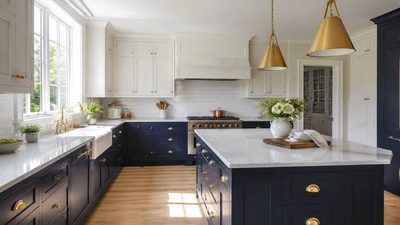
Sample Program for Wholesale Buyers: How to Evaluate Quality...
For a cautious wholesaler, a cabinet sample is the cheapest insurance in the whole buying process. It costs a fraction o...
09/28/2026 | David Nguyen
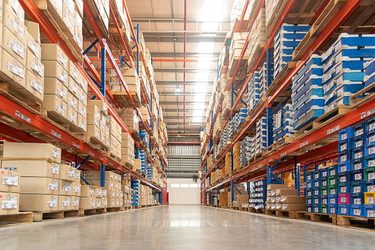
Volume Pricing Tiers Explained: How Cabinet Costs Scale with...
Every wholesaler and developer eventually asks the same question: if I order more, how much does each cabinet cost me? T...
09/26/2026 | David Nguyen
Cabinet Specifications & CAD Drawings for Architects and...
Architects and designers rarely buy cabinets, but they decide a great deal about which cabinets get bought. A well-organ...
10/04/2026 | David Nguyen
Bulk Cabinet Supply for HOA & Multifamily Renovation Pro...
Renovating cabinets across dozens or hundreds of units is a different job from building new. The buildings are often occ...
10/02/2026 | David Nguyen
Sample Program for Wholesale Buyers: How to Evaluate Quality...
For a cautious wholesaler, a cabinet sample is the cheapest insurance in the whole buying process. It costs a fraction o...
09/28/2026 | David Nguyen
Volume Pricing Tiers Explained: How Cabinet Costs Scale with...
Every wholesaler and developer eventually asks the same question: if I order more, how much does each cabinet cost me? T...
09/26/2026 | David Nguyen
Contact us
Casta is always ready to listen and answer all customers' questions