EN

Renovating cabinets across dozens or hundreds of units is a different job from building new. The buildings are often occupied, the budgets go through approval cycles, and the schedule is set by lease expirations, board meetings, and tenant notice periods. That is why choosing among multifamily cabinet suppliers takes more than comparing prices.
Most cabinet content speaks to homeowners or new-build developers. Property managers, HOA boards, and renovation contractors need answers about phasing, consistency, and accountability across many units over many months. This guide covers how renovation differs from new construction, how to plan a phased cabinet program, how to keep finishes consistent across waves, how bulk pricing and lead times work, and seven things to compare before choosing a supplier.
Why Multifamily and HOA Renovations Are Different From New Construction
New construction starts from a clean slate. Renovation doesn't, and that changes what you need from multifamily cabinet suppliers.
Existing conditions. Walls, plumbing, and layouts already exist, so cabinets have to fit what's there. Dimensions and measurements matter more than they do on a clean slate.
Occupied or partially occupied buildings. Work often happens unit by unit, around tenants, vacancies, or owner schedules, with tight installation windows.
Phasing is the norm. Renovations rarely happen all at once. Cabinets arrive in waves over months or years, which makes finish and color consistency a real risk.

Decision-making is layered. HOA boards, owners, and management companies often need multiple bids, documentation, and approvals before a purchase. Long-term maintenance matters too: the same product may need replacement parts, add-on units, or reorders years later.
The practical takeaway: a good multifamily renovation supplier is judged on planning, consistency, and support over time, not only on a one-time price.
Who's Buying From Multifamily Cabinet Suppliers, and What Each Group Cares About
Several different people influence a renovation purchase, and each judges multifamily cabinet suppliers by a different standard. Knowing who is evaluating multifamily cabinet suppliers on your project makes it easier to tailor the conversation to each decision-maker.
| Buyer | Main Priorities |
| Property managers | Minimal downtime per unit, durability, fast turnover, and predictable delivery from multifamily cabinet suppliers |
| HOA boards and management companies | Transparent bids from multifamily cabinet suppliers, documentation, budget control, resident impact |
| Owners and asset managers | Total cost, return on renovation, consistent quality across the portfolio from multifamily cabinet suppliers |
| Renovation contractors | Accurate drawings, clear labeling, reliable schedules, and installation efficiency from multifamily cabinet suppliers |
| Designers | Finish options, consistency, specification support, and samples from multifamily cabinet suppliers |
Understanding who is reading your proposal helps you present it. A board wants clarity and documentation from multifamily cabinet suppliers, while a contractor wants schedule and installation detail. Designers and contractors also sit in this chain, and their input on layouts and installation often shapes which of the multifamily cabinet suppliers makes the shortlist. The strongest multifamily cabinet suppliers adapt their proposals to each of these readers rather than sending one generic package.
Common Renovation Scopes for Multifamily Cabinet Suppliers
The scope of the renovation changes the product, the packaging, and the ordering model. Most programs fall into one of these categories.
- Full kitchen cabinet replacement: new base, wall, and tall cabinets in each unit.
- Door and drawer front replacement: updating the look on existing boxes where they're in good condition.
- Bath vanity replacement: often bundled with kitchens for a consistent unit upgrade.
Learn more: Top 10 Vanity Manufacturers Setting the Standard
- Partial or phased upgrades: renovating units as they become vacant, or building by building.
- Unit turns: replacing damaged or worn cabinets on an ongoing basis, which needs a stable, reorderable product.
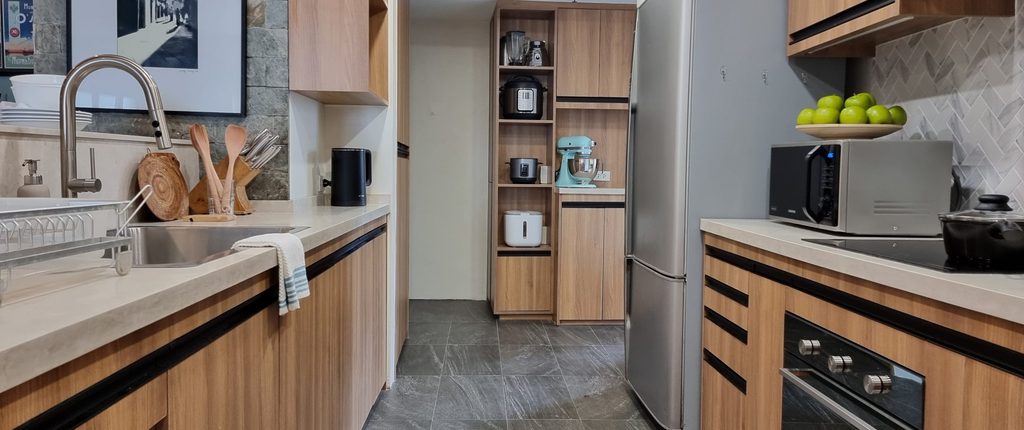
The right product, packaging, and ordering model change with scope. A one-time full replacement and a multi-year turn program call for different supplier arrangements. Multifamily kitchen cabinets for a turn program, for example, need a stable product line that can still be ordered years later.
Planning a Phased Cabinet Renovation Program
A phased program works best when the planning is done before the first order is placed. These steps keep multifamily cabinets consistent across the whole community.
- Survey unit types. Group units by layout so you can design a small number of standard configurations.
- Verify measurements. Confirm existing dimensions for each unit type rather than relying on original drawings.
- Choose a standard specification. Define door style, finish, box construction, and hardware for the whole program.
- Approve a sample or pilot unit. Review physical samples, and where possible install in a pilot unit before ordering everything.
- Set phases. Decide how units will be grouped by building, floor, vacancy, or time period.
- Plan orders and deliveries. Match production and shipping to each phase, with buffer for approvals and transit.
- Document the standard. Keep the approved sample, drawings, and finish records for later phases and reorders.
The most common planning failure is skipping the pilot or sample stage and discovering an issue after cabinets are in many units. A single pilot kitchen costs little compared with correcting a problem across a whole building.
Keeping Finishes and Dimensions Consistent Across Waves
Consistency is the hardest part of a phased program, and one of the main things to test when you evaluate multifamily cabinet suppliers. Later phases can be ordered months or years after the first, and differences in color, sheen, or dimensions between batches show up quickly in a shared hallway or adjacent units.
- Lock the standard early. Approve a physical sample and record the finish specification, so every batch is measured against the same reference.
- Ask about batch controls. Production planning that groups runs and controls finish application helps keep color continuity across deliveries.
- Plan for the whole program upfront. Telling the supplier the total planned volume and phases helps them schedule consistently.
- Keep a master sample and ask the supplier to retain a matching one.
- Consider spare stock. Extra doors, panels, or common cabinet sizes can save time and prevent mismatches when repairs are needed later.
- Document dimensions and tolerances, so replacements fit as originally installed.
Specifying Multifamily Kitchen Cabinets for Rental and Shared-Use Wear
Multifamily kitchen cabinets take more abuse than the cabinets in a single-family home. Matching the specification to actual use often saves more over time than choosing the cheapest option or the most premium one.
- Durable finishes: high-traffic and rental units need finishes that tolerate frequent cleaning, scuffs, and moisture.
- Moisture resistance: areas around sinks and dishwashers fail first, so material and edge sealing matter.
- Hardware quality: hinges and drawer slides are the most common source of complaints and maintenance calls.
- Repairability: choose a product line where doors, drawer fronts, and hardware can be replaced without redoing the whole unit.
- Warranty and claims: confirm what is covered, how to claim, and how replacements are handled across multiple units and phases.

How Pricing Works for HOA Bulk Cabinet Replacement and Property Management Orders
HOA bulk cabinet replacement and property manager cabinet bulk orders are priced as programs, not single purchases. Understanding the basis of a quote helps you compare multifamily cabinet suppliers fairly.
- Pricing basis: commonly per unit, per kitchen, per cabinet schedule, or per phase. Compare suppliers on the same basis.
- Phased pricing: some suppliers quote against total planned volume while delivering in stages, which can improve pricing without requiring you to take and store everything at once. Ask how pricing is locked and for how long.
- What drives the price: specification, unit mix, total volume, packaging and labeling, delivery terms, and schedule.
- Change orders: understand how changes to quantities, finishes, or layouts after approval are priced and when the window closes.
- Landed cost: for imported cabinets, include freight, duties and tariffs, insurance, and delivery to site. Tariff policy has changed repeatedly, so confirm current figures with a customs broker.
Learn more: Logistics & Import: Streamlining the Shipping and Customs Process
- Approval-friendly documentation: HOA boards and owners often need itemized proposals, specifications, and comparable bids. Ask whether the supplier provides clear documentation.
- Payment terms: clarify deposits and milestone payments, and how they align with your approval and budget cycles.
An apartment renovation cabinets wholesale quote that is itemized and clearly scoped makes board approval much easier. Vague quotes tend to produce questions, delays, and a second round of bidding.
Lead Times and Scheduling for Phased Renovations
Lead time is more than production. It includes drawing approval, sample approval, production, shipping, customs for overseas supply, and delivery to site. Planning for it is a core part of working with multifamily cabinet suppliers.
- Plan early for overseas supply. Delivery planning often extends months ahead, so start before the first units are scheduled.
Learn more: Lead Times & Supply Chain Resilience: Navigating Potential Disruptions
- Match deliveries to unit availability. Tie phases to lease expirations, vacancies, or building sequences, so cabinets don't sit in storage.
- Build in buffer. Allow slack for approvals, port delays, and site readiness.
- Know what repeats faster. Once drawings and specifications are approved, later phases using the same design usually move through fewer approval steps.
- Confirm timelines in writing, and ask what happens if a phase date shifts.

Logistics for Occupied Properties
Delivering cabinets to a building with residents is harder than delivering to an empty job site. The details below are where well-run programs separate from chaotic ones.
- Labeling by unit, building, floor, or phase lets crews bring the right boxes to the right unit without opening everything.
- Delivery planning: confirm access, elevators, loading areas, and storage, particularly for occupied communities and HOA properties with rules about deliveries.
- Phased shipments reduce on-site storage, theft, and weather exposure.
Learn more: ISTA Package Testing Standards
- RTA vs. assembled: flat pack lowers freight and eases handling in tight buildings but needs assembly labor. Assembled cabinets speed installation but need more space and careful handling.
Learn more: What are RTA cabinets?
- Delivery inspection: agree on who inspects deliveries, how damage is documented, and how replacements are handled.
- Installation guidance: clear diagrams and instructions help crews work consistently across phases.
Compliance and Documentation Boards Often Ask For
Boards, owners, and lenders increasingly ask for paperwork alongside the product. Having it ready early prevents delays during approvals and creates a record for future replacements.
- Material emissions compliance: TSCA Title VI, aligned with CARB Phase 2, for composite wood cabinets sold in the U.S.
- Sustainability documentation: FSC and similar certifications where a community or owner has green goals.
- Quality certifications and audits: KCMA, ISO quality management, and social compliance audits where required by an owner or lender.
Learn more: Cabinet certification
- Samples and specifications: written specifications and physical samples that boards can review and keep on file.
What a Multifamily Renovation Supply Story Should Show
When you evaluate multifamily cabinet suppliers, case studies are one of the most useful things to ask for. A good one shows how the process worked in practice, including problems that arose and how they were resolved. A weak one reads like a brochure.
Here is what a credible supply story should cover:
- The challenge: type of property, number of units, existing conditions, and what drove the renovation.
- The scope: cabinets, vanities, and any related components, and the phases planned.
- The approach: unit-type standardization, a sample or pilot unit, batch planning for finish consistency, and labeling by unit or floor.
- Delivery and installation: how shipments were phased, how crews were supported, and any challenges handled.
- The outcome: schedule performance, consistency across phases, and feedback from the property team. Numbers should only appear when verified and approved by the client.
When a supplier offers a story like this, ask whether the property manager or contractor involved is willing to speak with you. A supplier confident in its work will usually say yes.
7 Things to Compare Before Choosing Among Multifamily Cabinet Suppliers
The sections above cover each topic in detail. Before you commit, run every shortlisted supplier through these seven checks.
- Measurements and specification. Verify measurements on site instead of relying on original plans, define a standard spec (box, door, finish, hardware), and approve and keep a sample or pilot unit.
- Phasing and lead time. Confirm the supplier can split production and shipments by building, floor, or phase. Plan for later phases from the start, and build in buffer, especially for overseas supply.
- Finish consistency. Ask about batch controls and master samples so later phases match, and keep approved samples and records for future reorders.
- Pricing. Compare bids on identical specs and inclusions. Understand per-unit vs. per-phase pricing, how volume is recognized, the price lock period, and change-order terms.
- Labeling, packaging, and delivery. Confirm labeling by unit, building, or floor, plus protection and format (RTA or assembled). Plan delivery access and storage before cabinets arrive.
- Documentation and compliance. Collect certifications, specifications, and board-ready paperwork for owner or board review.
- Support and warranty. Look for drawing review, installation guidance, a clear U.S. contact, and a warranty and claims process confirmed in writing. Agree on a reorder and spare-parts plan for future phases.

Questions to Ask Multifamily Cabinet Suppliers About HOA and Property Projects
The answers to these questions show quickly whether a supplier understands renovation programs or treats them like retail orders.
- Can you supply cabinets for a renovation across many units, and in phases?
- How is pricing structured for HOA or property management orders, and can it be held across phases?
- What lead time should we expect for phased renovations, and how do repeat phases work?
- How do you keep finishes and dimensions consistent across large, multi-wave orders?
- How are cartons labeled and packaged for unit-by-unit installation?
- What documentation and certifications can you provide for board or owner review?
- How do you handle damaged or defective items across multiple deliveries?
- Can you support later reorders using the same specification?

Supplier Spotlight: Casta Cabinetry
As a practical reference point for how a factory supports renovation programs, it helps to look at how Casta Cabinetry works with property and project buyers.
Founded in 2002, Casta is a Vietnam-based manufacturer specializing in kitchen cabinets, vanities, and custom furniture, with over two decades in the industry. It works with multi-family contractors, wholesalers, and builders, and has experience delivering 100,000 projects both in Vietnam and internationally, delivering framed and frameless cabinets, and has worked with developers and partners on real estate projects in the U.S. and internationally.
Learn more: Best Multifamily cabinet manufacturers
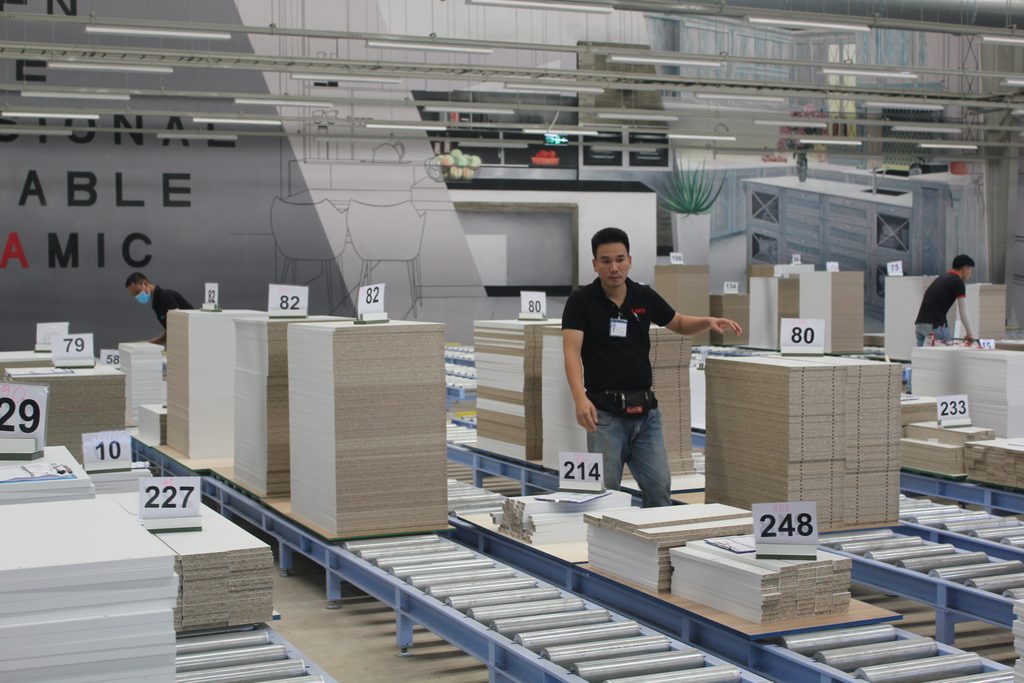
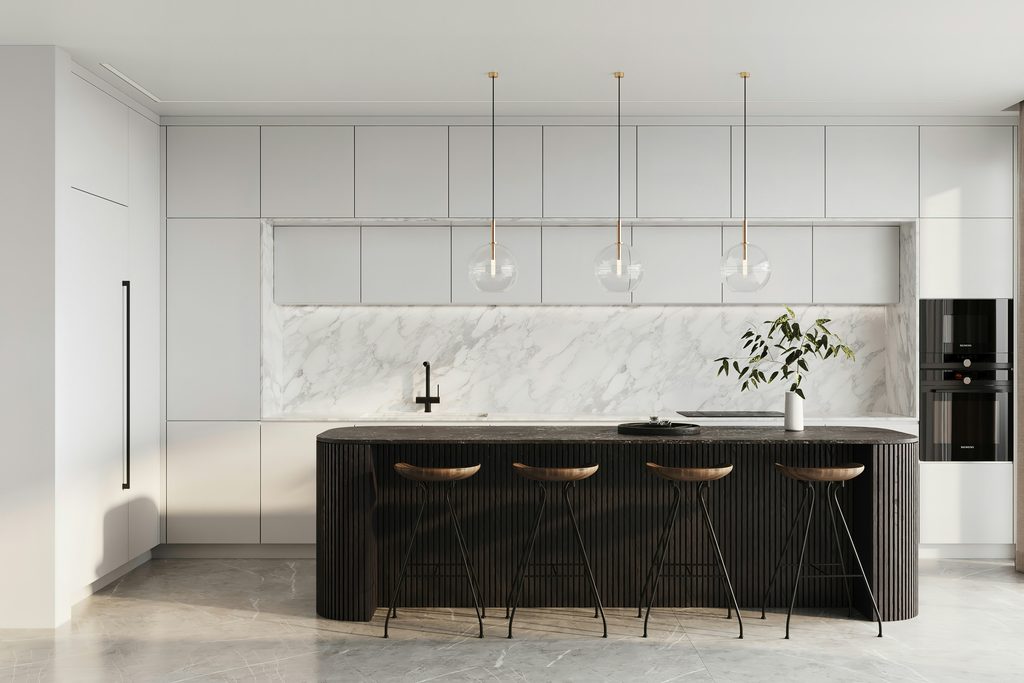
Casta supports phased projects: large orders can be split by floor, building, or installation stage, with production divided across containers and timeframes. Packaging and labeling are organized for multi-unit work, with unit-by-unit and floor-by-floor labeling, project-specific identifiers, and moisture wrap, corner cushions, and foam spacers, with panels cut, drilled, and barcoded in groups assigned to specific apartments.
Wholesale programs include pricing tiers based on multi-phase planning, and batch manufacturing schedules aimed at finish and color continuity across delivery waves. Casta offers both RTA (flat pack) and fully assembled options, with installation guidance such as diagrams and labeling systems, and OEM and private-label capability for owners who want a standardized product across a portfolio.
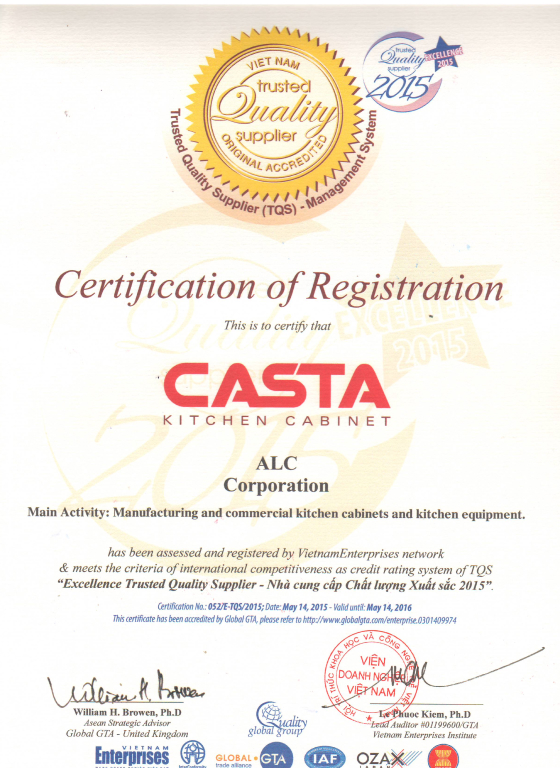
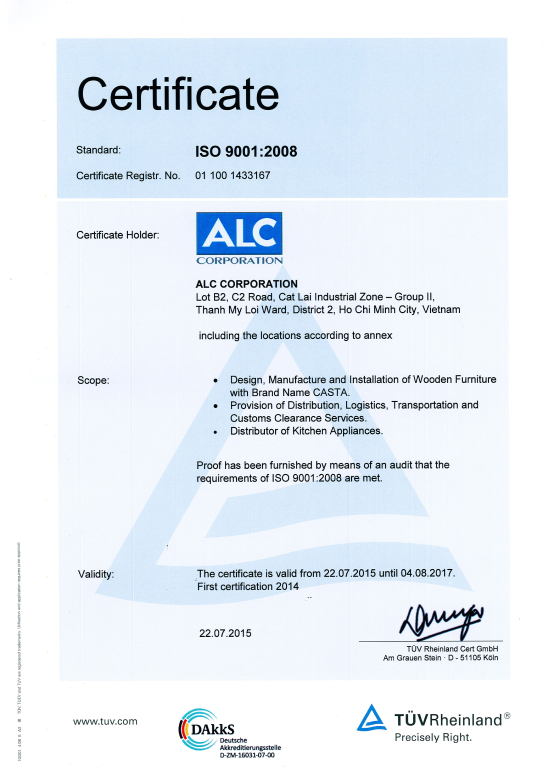
It operates two factories spanning over 100,000 m², using European machinery from brands including SCM, Homag, and Cefla, with manufacturing automation reaching roughly 90%, a dedicated QA/QC team, and capacity of up to 200 containers per month. Materials are sourced to meet standards including European E1, JIS, CARB, and FSC, alongside BSI and BSCI, with TCVN ISO 9001:2015 quality management and KCMA certification.
The process runs from discovery to shop drawings and quotation, a physical sample for approval, mass production, and delivery planned by a logistics team, with a standard lead time of 45–60 days from shop drawing approval. Over 80% of production is exported, primarily to the U.S., supported by sales and service offices in California, Texas, and New York.
Learn more: Sourcing Cabinets and Furniture from Vietnam: Your Ultimate Guide
Scope, pricing, phasing, and delivery depend on each property's unit mix, specification, and schedule, so they are best confirmed through a project-specific quotation and written agreement.
FAQ
Can you supply cabinets for a multifamily renovation across many units?
How is pricing structured for HOA or property management orders?
What lead time should property managers expect for phased renovations?
Do you offer consistent finishes across large multi-unit orders?
Can cabinet deliveries be split by building or floor?
Can I reorder the same cabinets for later phases or repairs?
Conclusion
Multifamily and HOA renovations succeed or fail on planning: verified measurements, a locked specification, an approved sample, phased deliveries, and records that make later reorders match. The right supplier is judged on phasing, consistency, documentation, and support over time, not only on the price of a single order.
Casta Cabinetry, with multi-family project experience, phased shipment options, unit and floor labeling, and U.S.-based points of contact, is a strong starting point for a conversation about your renovation program.
Ready for a project-specific quotation? Contact Casta Cabinetry's team with your unit types, specifications, and phasing plan to request a quote.






Contractor Bulk Purchase Discounts: How Trade Pricing Works...
Ask five contractors what they pay for cabinets and you’ll get five different answers, often for nearly identical ...
10/06/2026 | David Nguyen
Cabinet Specifications & CAD Drawings for Architects and...
Architects and designers rarely buy cabinets, but they decide a great deal about which cabinets get bought. A well-organ...
10/04/2026 | David Nguyen

New Construction Cabinet Packages for Homebuilders and Devel...
On a new construction project, cabinets are rarely a one-off purchase. A construction cabinet package has to match unit ...
09/30/2026 | David Nguyen
Sample Program for Wholesale Buyers: How to Evaluate Quality...
For a cautious wholesaler, a cabinet sample is the cheapest insurance in the whole buying process. It costs a fraction o...
09/28/2026 | David Nguyen
Contractor Bulk Purchase Discounts: How Trade Pricing Works...
Ask five contractors what they pay for cabinets and you’ll get five different answers, often for nearly identical ...
10/06/2026 | David Nguyen
Cabinet Specifications & CAD Drawings for Architects and...
Architects and designers rarely buy cabinets, but they decide a great deal about which cabinets get bought. A well-organ...
10/04/2026 | David Nguyen
New Construction Cabinet Packages for Homebuilders and Devel...
On a new construction project, cabinets are rarely a one-off purchase. A construction cabinet package has to match unit ...
09/30/2026 | David Nguyen
Sample Program for Wholesale Buyers: How to Evaluate Quality...
For a cautious wholesaler, a cabinet sample is the cheapest insurance in the whole buying process. It costs a fraction o...
09/28/2026 | David Nguyen
Contact us
Casta is always ready to listen and answer all customers' questions