


 EN
EN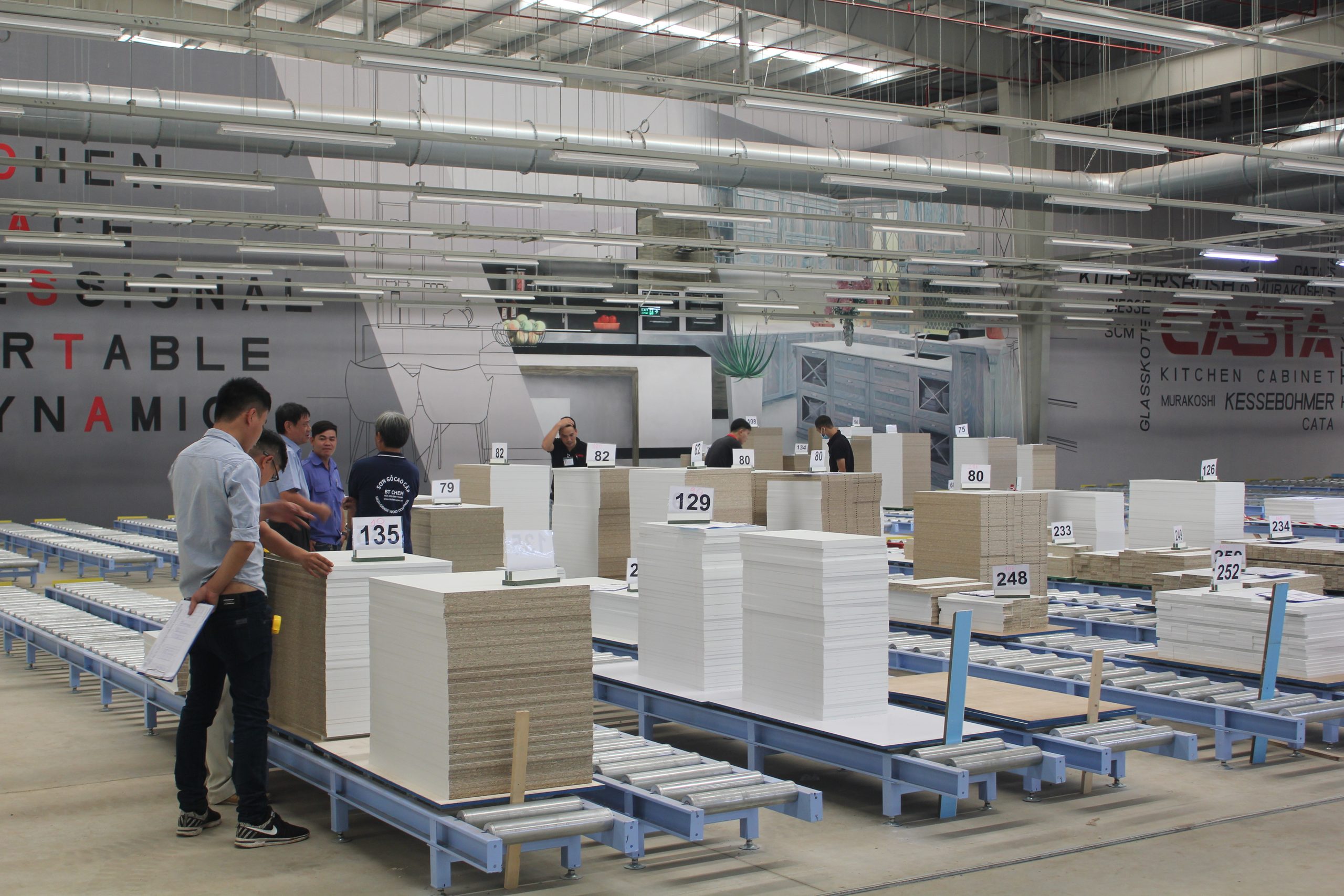
For a developer or wholesaler working against a construction or renovation deadline, cabinet lead times aren't a nice-to-know detail—they're often the single factor that determines whether a supplier is even viable for the project in the first place. Lead time questions tend to get asked late, after price and quality are already settled, which is exactly when buyers discover the timeline doesn't fit the project schedule.
This guide is written for wholesalers and developers planning bulk cabinet orders around a fixed deadline—new construction, multi-unit renovation, or a scheduled project handover. It breaks down what actually happens between placing an order and receiving it, how that timeline splits between manufacturing and shipping, what can shorten it, and how far in advance to plan for a realistic outcome.
What "Lead Time" Actually Covers
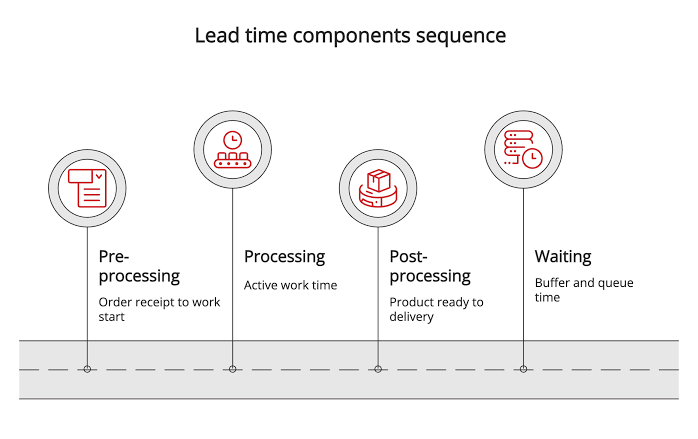
Cabinet lead times aren't one number—they're the sum of several distinct stages, each with its own variability: design and approval, production, quality control, and shipping. Treating lead time as a single quoted figure can be misleading, since a supplier's "6-week lead time" claim might only cover production, not the shipping time that follows.
The practical fix is simple: ask any supplier to break down cabinet manufacturer lead times stage by stage, not just give a single bundled number. A stage-by-stage breakdown makes it possible to compare two suppliers accurately and spot exactly where a project's actual risk sits.
Stage 1: Design, Shop Drawings, and Approval
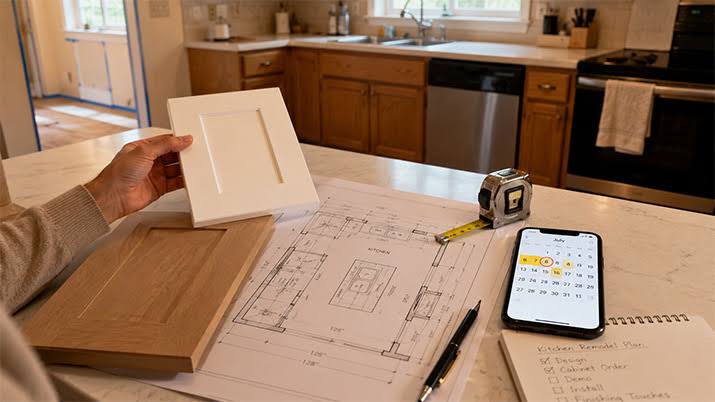
Before production starts, most manufacturers require finalized specifications—sizes, finishes, hardware, and quantities—confirmed through shop drawings. This stage is often the most variable part of the whole timeline, and it depends entirely on how quickly the buyer reviews and approves drawings, not on the factory.
The practical lesson here matters for anyone tracking cabinet lead times closely: a slow internal approval process on the buyer's side can add weeks to a project timeline before manufacturing even begins. This stage is usually the easiest one to compress, since it's within the buyer's control rather than the supplier's.
Stage 2: Manufacturing and Production
Once specifications are locked in, production moves through milling, fabrication, joinery, and finishing. Typical cabinet manufacturing lead time for wholesale or bulk orders generally runs in the range of 6–10 weeks, depending on order size, customization level, and whether the product is stock, semi-custom, or fully custom.
Learn more: The difference of custom vs semi custom cabinets
Customization level directly affects this stage of cabinet lead times: stock or standardized product lines move faster through production than fully custom configurations requiring unique tooling or specifications. A buyer weighing production time kitchen cabinets against a project deadline should factor customization level in early, before committing to a spec that might not fit the available window.

Stage 3: Quality Control and Pre-Shipment Inspection
Before goods leave the factory, a quality control pass checks finish, dimensions, materials, hardware, and packaging against the approved specification. This stage matters for timeline planning even though it's usually short, since a failed inspection at this stage can trigger rework and meaningfully extend cabinet lead times overall.
It's worth asking a supplier directly how QC issues are handled if they occur, since the answer reveals a lot about how predictable their cabinet lead times actually are in practice versus on paper.

Stage 4: Shipping and Logistics
For orders from Vietnam to the U.S., ocean freight is the standard method for bulk or container orders, with transit time depending on the origin port, destination port, and shipping route. Ocean freight transit alone, port to port, commonly runs several weeks, before adding port handling, customs clearance, and inland delivery to final destination.
Total door-to-door cabinet lead times run meaningfully longer than production time alone, and buyers who only account for manufacturing time and forget shipping are the ones most likely to miss a project deadline.
Learn more: Logistics & Import: Streamlining the Shipping and Customs Process

What Is the Average Lead Time From Vietnam to the US?
Ocean freight alone from a Vietnamese port to a U.S. port typically takes around 30 days, or about 4 weeks, under FOB terms, where the seller's responsibility ends once goods are loaded at origin. Door-to-door delivery—including inland trucking on both ends—adds roughly another 10 days, bringing total shipping time to about 5 weeks.
Combining production and shipping, buyers should generally plan for a total door-to-door timeline of 12 or more weeks—roughly 3 months or longer—for a bulk order, since shipping alone already accounts for 4 to 5 weeks of that total on top of production time.
This range varies depending on whether the order is stock vs. custom, how quickly design approval happens, current shipping conditions like port congestion or carrier schedules, and how much of that 12-week floor gets consumed by production versus transit. The only way to get a reliable, order-specific number is to ask the manufacturer for a stage-by-stage timeline breakdown tied to your specific product mix, not a general published figure that may not reflect your actual order.
Learn more: Lead Times & Supply Chain Resilience: Navigating Potential Disruptions
Can Lead Time Be Shortened for Repeat Orders?
Often, yes. Repeat orders with a supplier can move faster through cabinet lead times for several concrete reasons. Specifications and shop drawings are already finalized, which skips much of the design and approval stage entirely. An established relationship often means faster scheduling into the production queue, and familiarity with the buyer's requirements reduces back-and-forth during quality control.
This matters for developers planning multiple phases of a larger project: the first order with a new supplier is rarely representative of what future orders will look like. Plan the first order with the longest realistic timeline, and expect efficiency gains on cabinet lead times afterward as the relationship matures.
What Can Extend Lead Time (and How to Plan Around It)
A few factors reliably push cabinet lead times longer than the quoted estimate: highly custom specifications or non-standard configurations, peak seasonal demand at the factory, port congestion or shipping delays outside the manufacturer's control, slow internal approval turnaround on the buyer's side, and mid-project changes to specifications after production has started.
The takeaway is straightforward: buyers should build in a reasonable buffer beyond the quoted lead time, especially for a first order or a tight project deadline. Treating a quoted number as a guarantee rather than an estimate is one of the more common planning mistakes in bulk cabinet order timeline management.
Learn more: What are custom cabinets?

How Far in Advance Should You Place a Bulk Order?
As a general planning principle, start the supplier conversation and design approval process as early as possible relative to the project's installation date, working backward from the deadline rather than forward from "whenever I get around to it."
For projects with a fixed handover date—new construction, scheduled renovation completion—it's worth adding a buffer beyond the supplier's quoted lead time to absorb any stage that runs long. Placing an order "just in time" is the riskiest approach for a deadline-driven project, since there's little room to recover if any single stage of cabinet lead times—approval, production, shipping, customs—runs past the estimate.
A Simple Timeline Planning Framework
A practical framework for building cabinet lead times into a real project schedule:
- Identify your hard deadline—installation date or project handover.
- Work backward to determine your latest safe order placement date, using the supplier's full stage-by-stage lead time estimate.
- Add a buffer for at least one stage running longer than expected.
- Confirm the finalized target order date directly with the supplier before committing to a project schedule that depends on it.
Questions to Ask a Manufacturer About Lead Time
Before committing to a supplier, run through these questions to get a clear picture of their actual cabinet lead times:
- Can you break down lead time by stage—design approval, production, QC, and shipping?
- What is your current production lead time for an order of my size and specification?
- Does lead time change for repeat orders once specifications are already finalized?
- What's your typical door-to-door timeline from factory to a U.S. port or final destination?
- What causes delays most often, and how do you communicate if a timeline shifts?
- Do you have current inventory or standardized products that could move faster than a custom order?
How Fast Lead Time Options Actually Work
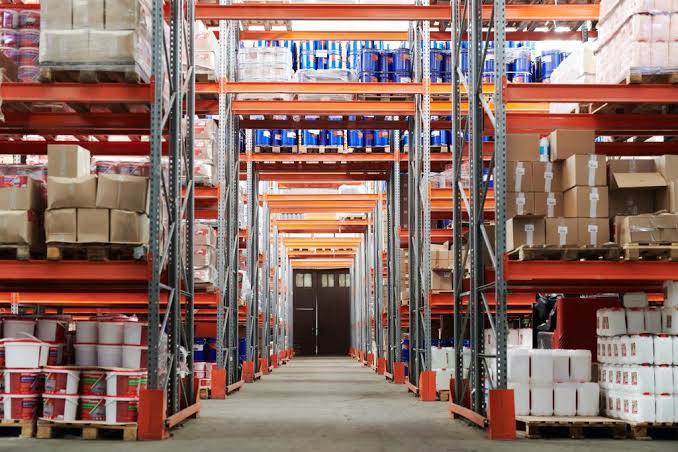
Fast lead time kitchen cabinets are usually fast for a specific, identifiable reason—not because a supplier has simply compressed every stage evenly. Standardized or in-stock product lines skip most of the design and approval stage entirely, since the specification is already fixed and doesn't require a shop-drawing review cycle.
Learn more: What are RTA cabinets?
A supplier advertising unusually fast cabinet lead times is worth a closer look at what's actually being compressed. Genuinely fast options typically come from held inventory or a narrow, pre-approved catalog rather than a fundamentally faster production process—a distinction worth confirming directly, since a "fast" quote on a fully custom configuration should raise questions rather than confidence about how that number was actually reached.
Supplier Spotlight: Casta Cabinetry
As a practical reference point for how cabinet lead times actually break down with a real manufacturer, it's worth looking at how Casta Cabinetry structures its production and delivery timeline.
Founded in 2002, Casta is a Vietnam-based manufacturer specializing in kitchen cabinets, vanities, and custom furniture, with over two decades in the industry. The company operates two factories spanning more than 100,000 m², using European machinery from brands including SCM, Homag, and Cefla, with manufacturing automation reaching roughly 90%.
Learn more: Sourcing Cabinets and Furniture from Vietnam: Your Ultimate Guide
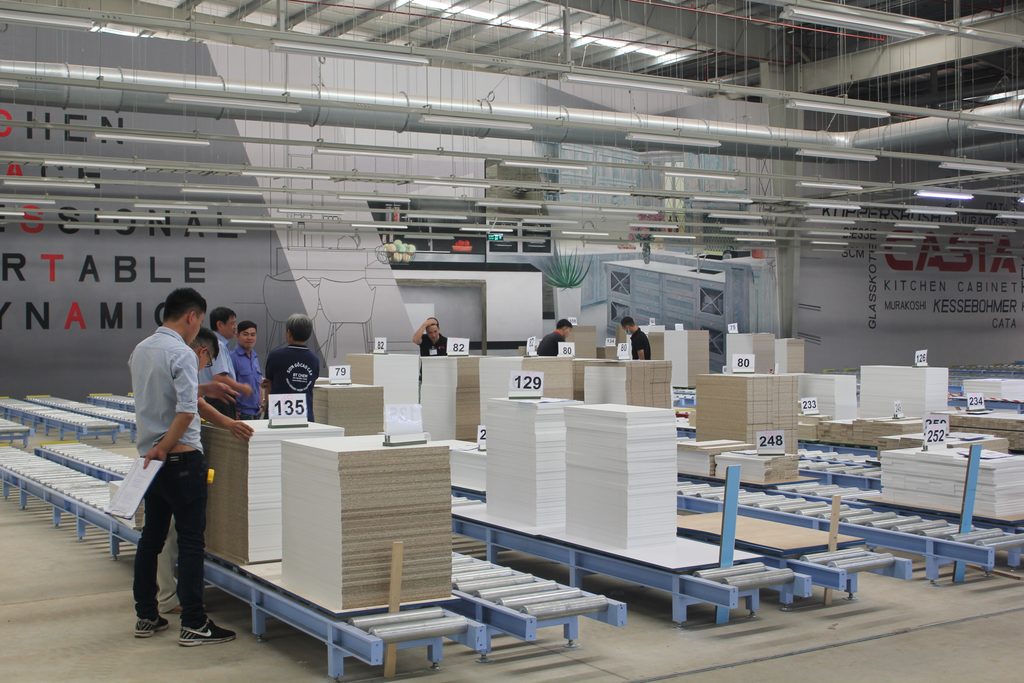
Casta's standard lead time runs 45–60 days from shop drawing approval to production completion, giving buyers a clear reference point for the manufacturing stage specifically. Production capacity of up to 200 containers per month supports scheduling for both first-time and recurring bulk orders, and over 80% of production is exported, primarily to the U.S., supported by a dedicated logistics team managing port-to-door delivery and customs coordination.
Sales and service offices in California, Texas, and New York give developers and wholesalers a direct point of contact for timeline planning before committing to a project schedule. Casta also offers samples until clients are fully satisfied with design, materials, and finish before full production begins—a step worth factoring into the design and approval stage of the overall timeline.
The 45–60 day figure covers production specifically; total door-to-door cabinet lead times, including shipping, should be confirmed directly for a project-specific schedule.
Comparing Lead Time Quotes Across Suppliers
Once a buyer has quotes from more than one supplier, comparing cabinet lead times fairly requires more than lining up two numbers side by side. A 6-week quote from one supplier and an 8-week quote from another aren't automatically comparable unless both figures cover the same stages.
The first step is confirming exactly what each quoted number includes. Some suppliers quote production time only, leaving shipping, customs, and inland delivery as unstated additions that show up later in the actual timeline. Others quote a fuller door-to-door figure that already accounts for ocean freight and destination handling. A shorter-sounding cabinet lead times quote that only covers production can end up slower in practice than a longer-sounding quote that already includes the full journey, which is why the scope of the number matters as much as the number itself.
It's also worth asking each supplier how their quoted cabinet manufacturer lead times were calculated—average performance across recent orders, a best-case scenario, or a worst-case buffer already built in. A supplier who can point to actual recent order data is generally more trustworthy on this point than one offering a round, general number that sounds convenient but isn't tied to anything measurable. If a supplier can't answer this question with any specificity, that itself is useful information about how carefully they track their own performance against quoted cabinet lead times.
How Much Buffer Is Actually Enough?
Buyers often ask for a specific number when it comes to buffer time, and while there's no universal answer, a few patterns are worth knowing when planning around cabinet lead times.
For a first order with a new supplier, adding 15–20% on top of the quoted total is a reasonable starting point, since first orders carry more uncertainty across every stage—design approval takes longer without established rapport, production scheduling is less predictable without a track record, and shipping conditions are an unknown variable regardless of supplier history. For a repeat order with an established supplier, a smaller buffer, closer to 5–10%, is often sufficient given the efficiency gains that come with a proven relationship.
Larger or more complex orders generally warrant a larger buffer in absolute terms, even if the percentage stays similar, simply because more units and more configurations create more opportunities for a single component or stage to run behind. A 10% buffer on a 12-week timeline is a very different amount of real time than a 10% buffer on a 20-week custom order, and project managers should plan the actual calendar dates accordingly rather than just applying a flat percentage rule without checking the resulting real-world date against the project's actual deadline.
FAQ
How long does it take to manufacture wholesale cabinet orders?
What is the average lead time from Vietnam to the US?
Can lead time be shortened for repeat orders?
How far in advance should I place a bulk order?
What's the difference between production lead time and total delivery lead time?
What causes cabinet order delays most often?
Conclusion
Cabinet lead times are the sum of design approval, production, quality control, and shipping—not a single number, and buyers who only plan around production time are the ones most likely to miss a deadline. Repeat orders generally move faster once specifications and supplier relationships are established, but a first order should be planned with the longest realistic timeline and a buffer built in, rather than the most optimistic figure on a quote sheet.
Casta Cabinetry, with a clear 45–60 day production lead time and dedicated logistics support for U.S. delivery, is a useful reference point for building a realistic project timeline.
Ready to get a stage-by-stage lead time estimate for your order? Contact Casta Cabinetry's team to discuss your specific product mix and plan your project deadline with confidence.






How Many Kitchen Cabinets Fit in a 20ft/40ft Container?...
For a wholesaler pricing out a bulk order, cabinets per container is the number that turns a quote into an actual budget...
09/20/2026 | David Nguyen

FSC Certified Cabinets: Why It Matters for Green Building Pr...
For a developer working on a certified green building project, FSC certified cabinets aren’t just a sustainability...
09/18/2026 | David Nguyen

Cabinet Import Duties & Tariffs: What US Buyers Pay When...
For a U.S. wholesaler or importer, uncertainty around tariffs on imported cabinets is often the single biggest barrier t...
09/14/2026 | David Nguyen

FOB vs CIF: Shipping Terms Every Cabinet Importer Should Kno...
For a first-time importer, the shipping term on a quote can matter as much as the unit price. Understanding FOB vs CIF c...
09/12/2026 | David Nguyen
How Many Kitchen Cabinets Fit in a 20ft/40ft Container?...
For a wholesaler pricing out a bulk order, cabinets per container is the number that turns a quote into an actual budget...
09/20/2026 | David Nguyen
FSC Certified Cabinets: Why It Matters for Green Building Pr...
For a developer working on a certified green building project, FSC certified cabinets aren’t just a sustainability...
09/18/2026 | David Nguyen
Cabinet Import Duties & Tariffs: What US Buyers Pay When...
For a U.S. wholesaler or importer, uncertainty around tariffs on imported cabinets is often the single biggest barrier t...
09/14/2026 | David Nguyen
FOB vs CIF: Shipping Terms Every Cabinet Importer Should Kno...
For a first-time importer, the shipping term on a quote can matter as much as the unit price. Understanding FOB vs CIF c...
09/12/2026 | David Nguyen
Contact us
Casta is always ready to listen and answer all customers' questions