


 EN
EN
For a U.S. wholesaler or importer, uncertainty around tariffs on imported cabinets is often the single biggest barrier to committing to an overseas order — a number that can swing the whole cost equation before a container ever ships. Tariffs on imported cabinets are a more volatile topic than most sourcing questions, since trade policy has shifted multiple times over the past two years, and outdated blog posts still circulating online cite tariffs on imported cabinets rates that no longer apply.
This guide is written for wholesalers and distributors sourcing cabinets from Vietnam who need an accurate, current picture of tariffs on imported cabinets before finalizing a supplier agreement. One important note before diving in: tariffs on imported cabinets rates and effective dates are subject to change by executive action, and this guide reflects the rules in place as of publication — buyers should confirm current tariffs on imported cabinets rates directly with a licensed customs broker or CBP before finalizing an order, since acting on outdated tariff information is one of the more expensive mistakes a first-time importer can make.
The Current Tariff Landscape for Imported Cabinets (as of Mid-2026)
Kitchen cabinets and vanities are subject to a Section 232 tariff, set at a 25% rate effective October 14, 2025, with an escalation originally scheduled for January 1, 2026. That escalation to 50% was subsequently delayed by one year under a later amendment, with the 50% rate now scheduled to take effect January 1, 2027.
This particular round of tariffs on imported cabinets applies broadly across countries of origin, not just Vietnam—though certain trading partners have capped rates, with the European Union and Japan capped at a combined 15% including the standard duty, and United Kingdom imports capped at 10%. Vietnam does not currently have a special capped rate or a cabinet-specific tariff—Vietnamese-made cabinets pay the standard Section 232 rate, the same rate that applies to most other countries without a negotiated agreement in place.
Learn more: Sourcing Cabinets and Furniture from Vietnam: Your Ultimate Guide

Are Vietnamese Cabinets Subject to Additional Anti-Dumping Tariffs?
This is one of the most misunderstood parts of the tariff picture, and worth addressing directly: as of mid-2026, there is no separate anti-dumping or countervailing duty (AD/CVD) case specifically against genuinely Vietnamese-made cabinets. Cabinets from Vietnam and Malaysia pay the standard Section 232 rate, with no separate AD/CVD case as of mid-2026.
Some online sources circulate a "46% tariff on Vietnamese cabinets" figure. This number has no documented basis for cabinets as of this writing—if a seller cites a surcharge tied to a specific rule, it's worth asking them to name and document that rule before accepting it as part of the quote.
The confusion here traces back to a real 2022 investigation. The U.S. Department of Commerce opened a circumvention inquiry into whether Vietnamese suppliers were circumventing existing anti-dumping and anti-subsidy taxes on wooden cabinets by using Chinese-made components. That inquiry concluded in mid-2024 with a formal scope ruling: wooden cabinets exported from Vietnam or Malaysia that combine Chinese-made components—cabinet doors, drawer fronts, frames—with locally produced boxes still fall within the scope of the existing China-focused AD/CVD orders.
The practical implication for anyone comparing tariffs on imported cabinets from different sources: origin matters more than the shipping country. A cabinet genuinely manufactured in Vietnam—Vietnamese materials, Vietnamese production—is not subject to the China-focused AD/CVD orders. A cabinet using Chinese-sourced components, even if assembled in Vietnam, can still be captured by those orders, which can mean duty rates far higher than the standard Section 232 rate.
This is why supplier transparency is essential. Importers now operate under a certification regime to document where components actually originate, and buyers should confirm this documentation exists before committing to a supplier.
How Customs Duty Is Actually Calculated for Imported Cabinets
Total landed duty on a cabinet shipment typically combines two layers. The base duty rate for wooden kitchen furniture is generally low under normal trade terms. The Section 232 wood products tariff—currently 25% and applied on top of the base rate—is the figure that matters most for budgeting today, though buyers should always confirm the rate in effect at the time of shipment with a customs broker.
Duty is calculated as a percentage of the customs value of the goods, which is why the shipping term on a quote—FOB, CIF, or DDP—affects the base on which duty gets calculated. This is worth confirming with a customs broker for a specific order, since the wrong assumption about customs value can throw off a landed cost estimate meaningfully.
A useful real-world reference point cited by industry sources: a stock cabinet order priced around $3,000 can land closer to $3,750–$4,200 once the current 25% tariff works through the total cost—worth factoring into budget planning well before a container ships. That range gives a rough sense of how meaningfully tariffs on imported cabinets can move a project's actual budget compared to the sticker price on a quote.
What HTS Code Applies to Kitchen Cabinets
Kitchen cabinets generally fall under HTS heading 9403.40—wooden furniture of a kind used in the kitchen. Within that heading, cabinets designed for permanent installation are typically classified separately from other kitchen furniture like islands or breakfast tables, under distinct subheadings.
Getting this classification right matters because an incorrect HTS code can result in the wrong duty rate being applied, delayed customs clearance, or penalties during a CBP audit. This is a case where working with a licensed customs broker for exact classification is worth the cost—misclassification risk isn't worth cutting corners on, especially with tariffs on imported cabinets already adding meaningful cost pressure to a shipment.

What This Means for Buyers Placing Orders Now
Orders in transit are not exempt from a rate change. The Section 232 rollout included no "goods-on-the-water" exemption, meaning products already shipping when a rate changed were still subject to the new rate on arrival. This detail catches some buyers off guard when they assume a shipment already at sea locks in the rate that applied when it left port.
The more actionable priority for buyers right now is confirming, in writing, that a specific order is genuinely Vietnamese-origin—materials and production, not just final assembly. Since this determines whether a shipment is exposed to the separate China-focused AD/CVD orders on top of the standard rate, it matters more to a buyer's actual cost than any single rate figure. A verbal assurance from a sales contact carries no weight if a shipment gets flagged during a CBP audit, so this documentation is worth requesting before an order is placed, not after.
Learn more: Logistics & Import: Streamlining the Shipping and Customs Process
A Practical Checklist Before You Commit to an Order
Before finalizing an order affected by tariffs on imported cabinets, run through this checklist:
- Confirm the current Section 232 rate and any scheduled changes with a licensed customs broker, not a blog post.
- Request documentation from your supplier confirming country of origin for materials and components, not just final assembly location.
- Ask whether your supplier has faced or is subject to any AD/CVD scope inquiries.
- Get a landed cost estimate that includes both the base duty rate and the applicable Section 232 tariff, not just the unit price.
- Build your order timeline with tariff escalation dates in mind, especially for larger orders placed close to a scheduled rate change.
Learn more: What is carb compliance
Questions to Ask a Vietnamese Cabinet Manufacturer About Tariffs
When vetting a supplier on how tariffs on imported cabinets will affect a quote, ask directly:
- Can you document that materials and components are genuinely sourced and produced in Vietnam, not assembled from Chinese-made parts?
- Has your company been named or investigated in any AD/CVD scope inquiries?
- What HTS classification do you use on your commercial invoices, and can you provide supporting documentation?
- How do you structure quotes—does the quoted price include or exclude the current Section 232 tariff?
- Can you help coordinate with my customs broker on certification requirements?
A supplier who answers these clearly, with documentation rather than a verbal assurance, is a much safer bet for navigating tariffs on imported cabinets without unpleasant surprises at customs down the line.
Import Duty on Kitchen Cabinets vs. Furniture More Broadly
It's worth distinguishing kitchen cabinet tariffs from the broader wooden furniture category, since the two are covered by the same Section 232 action but on slightly different schedules. Upholstered wooden furniture—sofas, chairs, and similar seating—was set at a 25% rate under its own separate schedule.
Kitchen cabinets and bathroom vanities were set on a different track than upholstered furniture, reflecting a separate policy determination for this specific product category. This distinction matters for any brand or contractor sourcing a mix of cabinets and other furniture categories from the same supplier or region, since import duty kitchen cabinets USA calculations won't necessarily mirror the duty on other wood furniture in the same shipment.
Supplier Spotlight: Casta Cabinetry
As a practical reference point for how a manufacturer supports buyers navigating tariffs on imported cabinets, it's worth looking at how Casta Cabinetry approaches documentation and compliance.
Founded in 2002, Casta is a Vietnam-based manufacturer specializing in kitchen cabinets, vanities, and custom furniture, with over two decades in the industry. The company operates two factories spanning more than 100,000 m², using European machinery from brands including SCM, Homag, and Cefla.
Learn more: Why Choose Vietnam for Cabinet and Furniture Manufacturing?
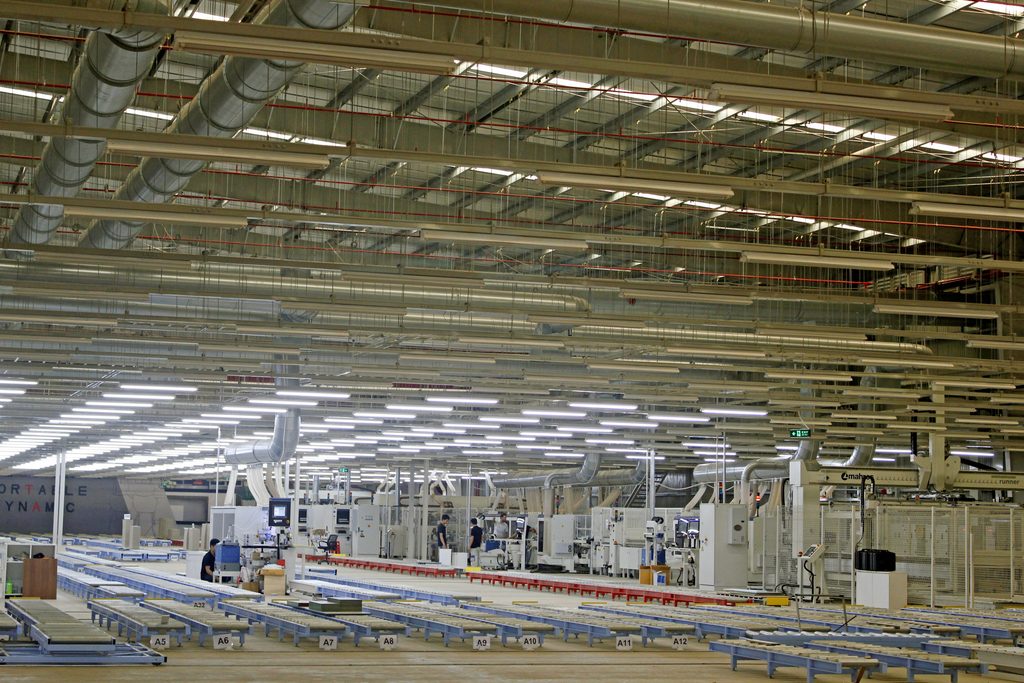
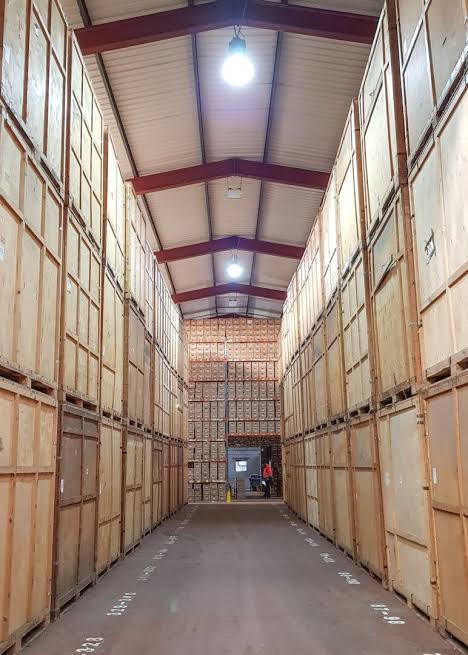
Over 80% of production is exported, primarily to the U.S., supported by a dedicated logistics team managing port-to-door delivery and customs processes. Sales and service offices in California, Texas, and New York give importers a direct point of contact for questions on documentation and shipping terms.
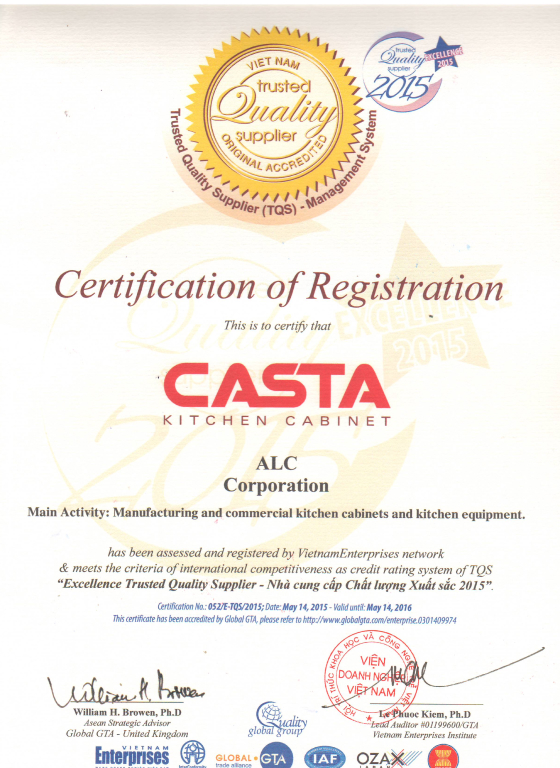
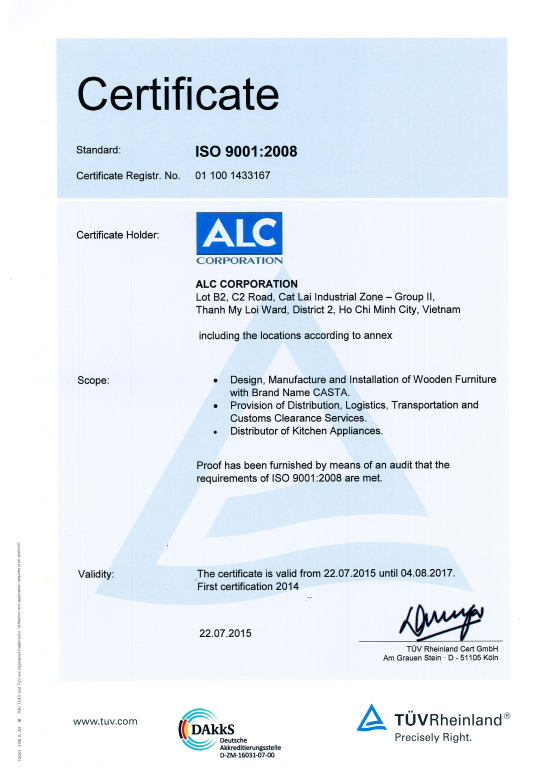
Materials are sourced to meet global standards including European E1, JIS, CARB, and FSC certifications, alongside BSI and BSCI certifications. Buyers should still independently verify country-of-origin documentation and current tariff rates with their own customs broker—this section describes Casta's operations, not a substitute for professional customs guidance on any specific order.
Learn more: What is bsci certification?
Building Tariffs Into a Realistic Budget
Understanding the current rate is only useful if it actually gets built into a project or order budget correctly, and this is a step that's easy to underestimate when a quote is otherwise attractive. Treating tariffs on imported cabinets as a rounding error rather than a core budget line item is one of the more common planning mistakes among newer importers.
Start by separating the unit price from the landed cost in any internal budget or client-facing quote. A cabinet quoted at a given unit price under FOB terms doesn't yet reflect ocean freight, insurance, the applicable Section 232 tariff, and any base duty—building a spreadsheet that adds each of these as its own line, rather than a single bundled markup, makes it much easier to spot where a quote might be underestimating true cost.
It's also worth building a reasonable buffer into any budget, since Section 232 rates have already shifted more than once in a short window and there's no goods-on-the-water exemption if a rate changes mid-shipment. A contingency line for that scenario, even a modest one, is cheaper than discovering a rate gap after a shipment has already cleared customs.
For contractors passing tariff costs through to clients, transparency tends to work better than absorbing the cost quietly and hoping it doesn't matter. Clients generally respond better to a clear line item explaining that tariffs on imported cabinets are adding a specific, documented cost than to a vague overall price increase they can't trace back to a specific cause.
Staying Current as Trade Policy Shifts
Given how much this rate has already moved—a scheduled increase announced, then delayed, within the span of a few months—it's worth building a habit of checking for updates rather than treating any single guide, including this one, as a permanent reference.
A few reliable ways to stay current: subscribe to updates from industry associations like the Kitchen Cabinet Manufacturers Association (KCMA), which tracks Section 232 developments closely given its direct relevance to member companies. A licensed customs broker handling regular import volume also tends to flag rate changes proactively to active clients, which is one more reason an ongoing broker relationship is worth more than a one-off consultation before a first order.
It's also reasonable to build a periodic check into any recurring supplier relationship—confirming current rates before each major order, rather than assuming the rate from six months ago still applies. Trade policy in this category has already changed direction once within a short window, which is reason enough to treat any published rate as time-sensitive rather than fixed.
Learn more: Lead Times & Supply Chain Resilience: Navigating Potential Disruptions
FAQ
What is the current import duty on cabinets from Vietnam?
Are Vietnamese cabinets subject to anti-dumping tariffs?
How is customs duty calculated for imported cabinets?
What HTS code applies to kitchen cabinets?
Is the tariff on kitchen cabinets from Vietnam going up in 2027?
Does using Chinese-made components in a Vietnamese-assembled cabinet affect the tariff rate?
Conclusion
As of mid-2026, Vietnamese-made cabinets—genuinely produced with Vietnamese materials and labor—pay the standard Section 232 rate with no separate cabinet-specific AD/CVD case against Vietnam, unlike China-origin product, which carries substantially higher stacked duties. The real risk for buyers navigating tariffs on imported cabinets isn't the published rate—it's sourcing from a supplier who can't document genuine country of origin, which can expose an import to the China-focused AD/CVD orders and a duty bill far higher than the standard rate anyone budgeted for.
This is a fast-moving policy area. Always confirm current rates and requirements with a licensed customs broker before finalizing an order, rather than relying on any single article, including this one.
Casta Cabinetry, with export documentation practices and a dedicated logistics team supporting North American buyers, is a starting point for a direct conversation about sourcing compliance and current landed cost estimates.
Ready to get a current landed cost estimate for your next order? Contact Casta Cabinetry's team to discuss sourcing documentation and how tariff timing might affect your next order.





How Many Kitchen Cabinets Fit in a 20ft/40ft Container?...
For a wholesaler pricing out a bulk order, cabinets per container is the number that turns a quote into an actual budget...
09/20/2026 | David Nguyen

FSC Certified Cabinets: Why It Matters for Green Building Pr...
For a developer working on a certified green building project, FSC certified cabinets aren’t just a sustainability...
09/18/2026 | David Nguyen
Lead Time for Wholesale Cabinet Orders: From Factory to Deli...
For a developer or wholesaler working against a construction or renovation deadline, cabinet lead times aren’t a n...
09/16/2026 | David Nguyen

FOB vs CIF: Shipping Terms Every Cabinet Importer Should Kno...
For a first-time importer, the shipping term on a quote can matter as much as the unit price. Understanding FOB vs CIF c...
09/12/2026 | David Nguyen
How Many Kitchen Cabinets Fit in a 20ft/40ft Container?...
For a wholesaler pricing out a bulk order, cabinets per container is the number that turns a quote into an actual budget...
09/20/2026 | David Nguyen
FSC Certified Cabinets: Why It Matters for Green Building Pr...
For a developer working on a certified green building project, FSC certified cabinets aren’t just a sustainability...
09/18/2026 | David Nguyen
Lead Time for Wholesale Cabinet Orders: From Factory to Deli...
For a developer or wholesaler working against a construction or renovation deadline, cabinet lead times aren’t a n...
09/16/2026 | David Nguyen
FOB vs CIF: Shipping Terms Every Cabinet Importer Should Kno...
For a first-time importer, the shipping term on a quote can matter as much as the unit price. Understanding FOB vs CIF c...
09/12/2026 | David Nguyen
Contact us
Casta is always ready to listen and answer all customers' questions