EN
Putting your name on a cabinet line is one of the fastest ways for a retailer or brand to build margin and customer loyalty without owning a factory. Private label cabinet branding is also where many first-time programs go wrong.
Most buyers think "private label" means a logo on a box. In practice, your customer experiences your brand through the finish, the carton, the label, the manual, and the unboxing. This guide is for retailers, e-commerce sellers, distributors, and cabinet or furniture brands planning to sell factory-made cabinets under their own name. It covers how branding terms differ, five layers of private label cabinet branding, how needs change between retail and jobsite buyers, the compliance details that sit on top, and how a project runs from brief to first shipment.
Private Label, White Label, and OEM: What the Terms Actually Mean
The vocabulary around private label cabinet branding gets used loosely, and suppliers don't always mean the same thing by the same word. Getting the terms straight early saves a lot of confusion later.
White label usually means a manufacturer's existing, generic product sold under your name with minimal changes. White label kitchen cabinets are the fastest way to launch, since the design work is already done, but there is little to separate your line from anyone else selling the same product.
Private label means a product made specifically for your brand, with your choice of design, finishes, packaging, and labeling. OEM (original equipment manufacturer) means the factory builds to your specifications, while ODM means the factory also helps develop the design. In practice, OEM branding cabinets programs sit at the far end of this spectrum, with the most control for the brand.
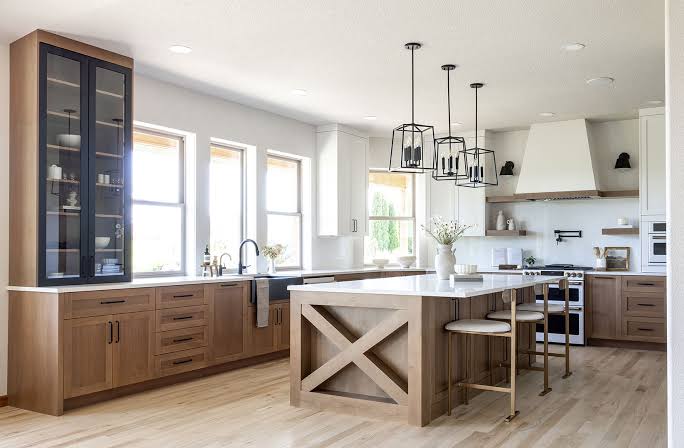
Why does the distinction matter? The deeper you go from white label toward OEM, the more control you get over differentiation, and the more planning, approvals, and volume the factory will usually expect. Choosing the right level is the first strategic decision in any private label cabinet branding program. A practical starting question for any supplier is simple: which parts of the product and packaging can be customized, and which are fixed?
Learn more: What are custom cabinets?
Why Private Label Cabinet Branding Pays Off
Before getting into the layers, it's worth being clear about why brands invest in private label cabinet branding at all. The appeal is straightforward: you control the product, the presentation, and the customer relationship, without carrying the cost of building and running a factory.
A line sold under your own name builds recognition that carries over to reorders and referrals. A customer who likes the finish and the packaging remembers your brand, not the factory that made it. It also gives you more room to manage pricing, since a unique product is harder to compare line by line against a competitor's catalog item.
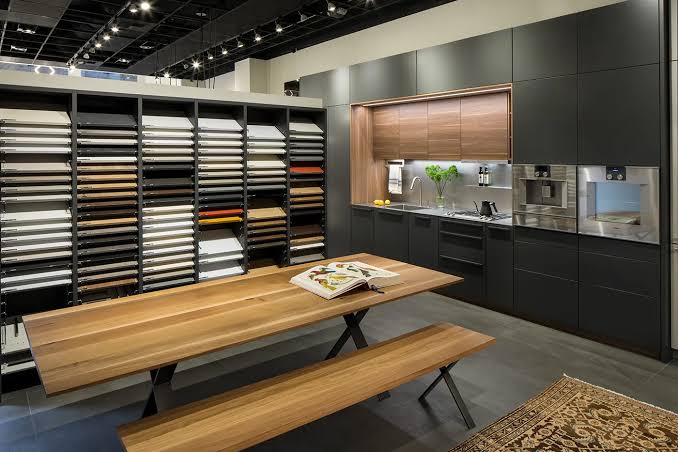
The trade-off is planning. Private label cabinet branding asks more of the buyer than reselling a catalog product: brand assets to prepare, approvals to manage, and usually a volume commitment. Brands that go in with a clear plan tend to get more from the program than those who treat branding as something to sort out after the first order ships.
5 Layers of Private Label Cabinet Branding
Strong private label cabinet branding is built in layers. A logo is only one of them, and often the least important. Each layer below is a place where a brand either feels real or feels like a rebadged catalog item.
1. Product Identity: Design, Finish, and Hardware
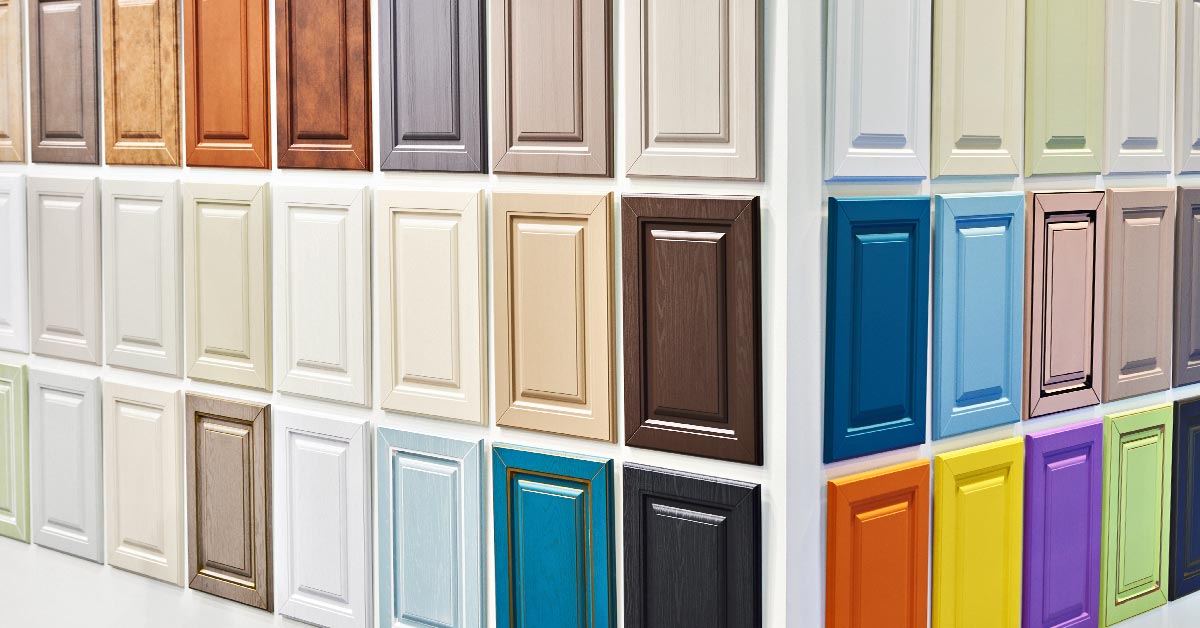
The most durable form of private label cabinet branding is a product competitors can't simply copy off a catalog: your own door profiles, exclusive finish colors, and chosen hardware. This is the layer customers feel every day, long after the carton is recycled.
Learn more: What are the styles of flat panel cabinet doors
Color matching and custom paint formulas let a brand own a signature tone rather than sell the same stock white as everyone else. Digital finish samples and physical samples let you approve the look before committing to production, which is far cheaper than discovering a color mismatch on a full container.
Learn more: Material & Finish Innovations: Elevating Cabinet Design and Durability
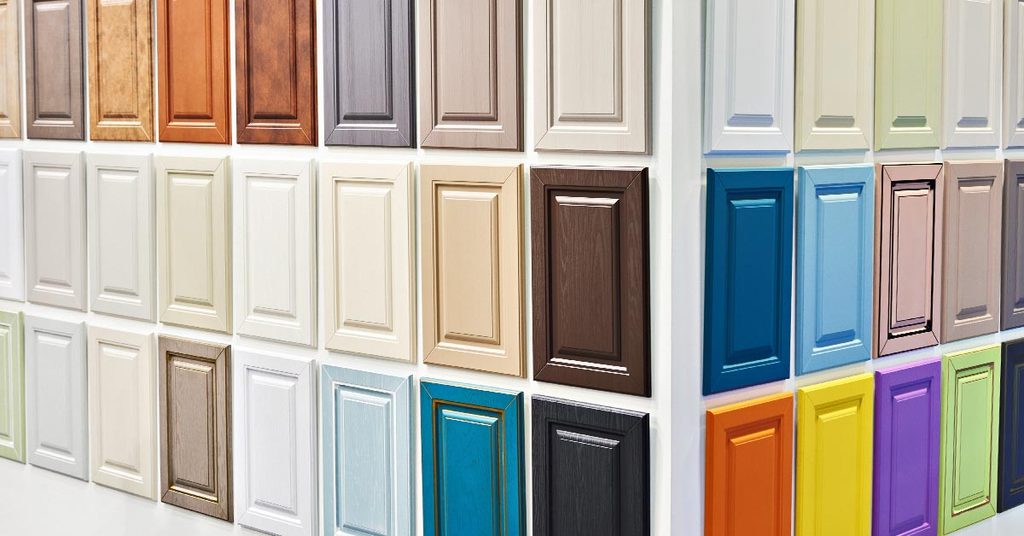
It's worth asking who owns designs developed for your line, and whether the same finish can be sold to a competitor. A signature finish only builds your brand if it stays yours.
2. Product Marking: Logo Stamping and Component Labels
Product marking is the quietest form of private label cabinet branding. Logo stamping on components or discreet labels inside the cabinet reinforces identity after the packaging is gone. It also helps with reorders and warranty claims, since a marked product can be traced back to your line.
Placement matters. The mark should be visible enough to signal quality, but discreet enough not to interfere with installation or look cluttered in a finished kitchen. Ask what marking methods are available and whether they hold up to normal handling and finishing.
3. Packaging: Cartons and Protection
Custom cabinet packaging is usually the first thing a retail or e-commerce customer sees. Cartons carrying your logo, colors, and product information set expectations before the box is even opened.
Packaging is the layer of private label cabinet branding that customers handle first, and it has to do two jobs at once: carry your brand and survive ocean freight. A beautiful carton that collapses in a container damages both the product and your reputation. RTA and fully assembled cabinets also need different packaging approaches, so decide format and packaging together rather than one after the other.
Ask about carton specifications, protective materials, and whether packaging mockups are provided before production. A mockup in hand is the cheapest way to catch a design or sizing problem.
Learn more: ISTA Package Testing Standards
How Casta approaches it: every package is fully labeled according to the drawings you provide, floor by floor and unit by unit, so each carton is easy to identify on arrival. You choose the format, Flat Pack (RTA) or Fully Assembled, and a dedicated planning team coordinates shipping. For branded cartons or custom artwork, confirm the options with Casta's team at the start of your project.
4. Labeling and Identification: SKUs, Barcodes, and Jobsite Labels
Custom labeling for wholesale cabinets is where private label cabinet branding meets operations. Retail and e-commerce programs typically need SKU labels and barcodes that match your inventory and fulfillment systems, while developer and multi-unit programs benefit from labels by unit, room, or floor, so installers can find the right cabinet without opening every box.
QR codes on cartons can link to assembly videos or product information, reducing support calls and returns. They're a low-cost way to extend your brand past the point of sale.
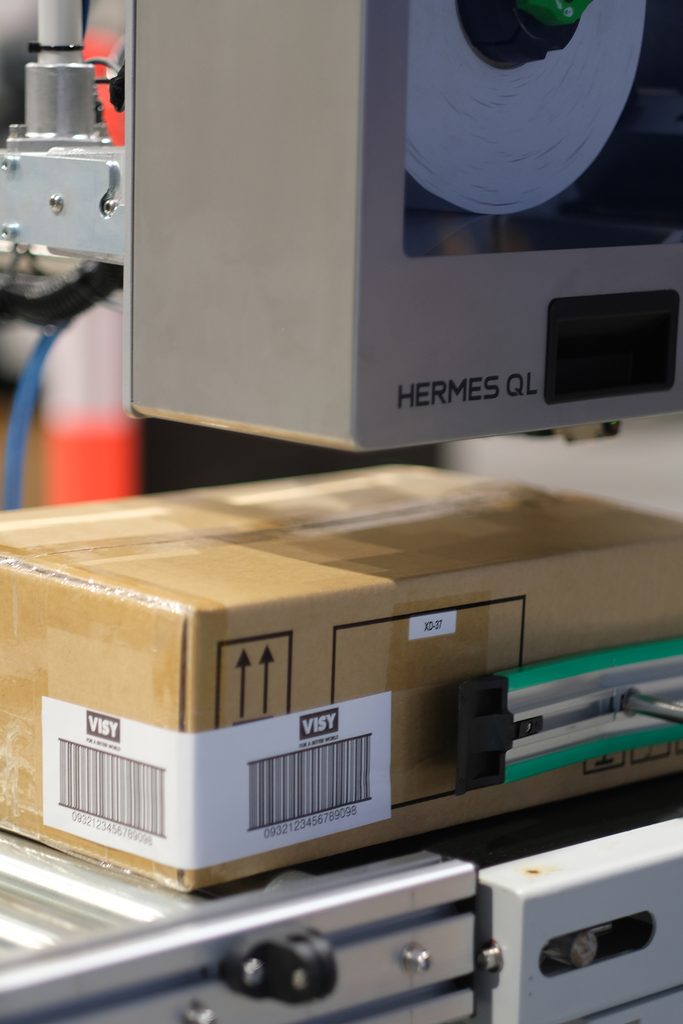
This layer is often underestimated. Wrong or unclear labeling creates warehouse errors and installation delays that customers blame on your brand, not the factory.
5. Documentation and Collateral: Manuals, Spec Sheets, and Catalogs
Branded assembly instructions, spec sheets, and care guides make private label cabinet branding feel like a real product line, not a rebadged one. Color booklets and finish guides help your sales team and dealers present options consistently, and CAD or BIM files let architects and designers specify your line in their own software, which matters for professional channels.
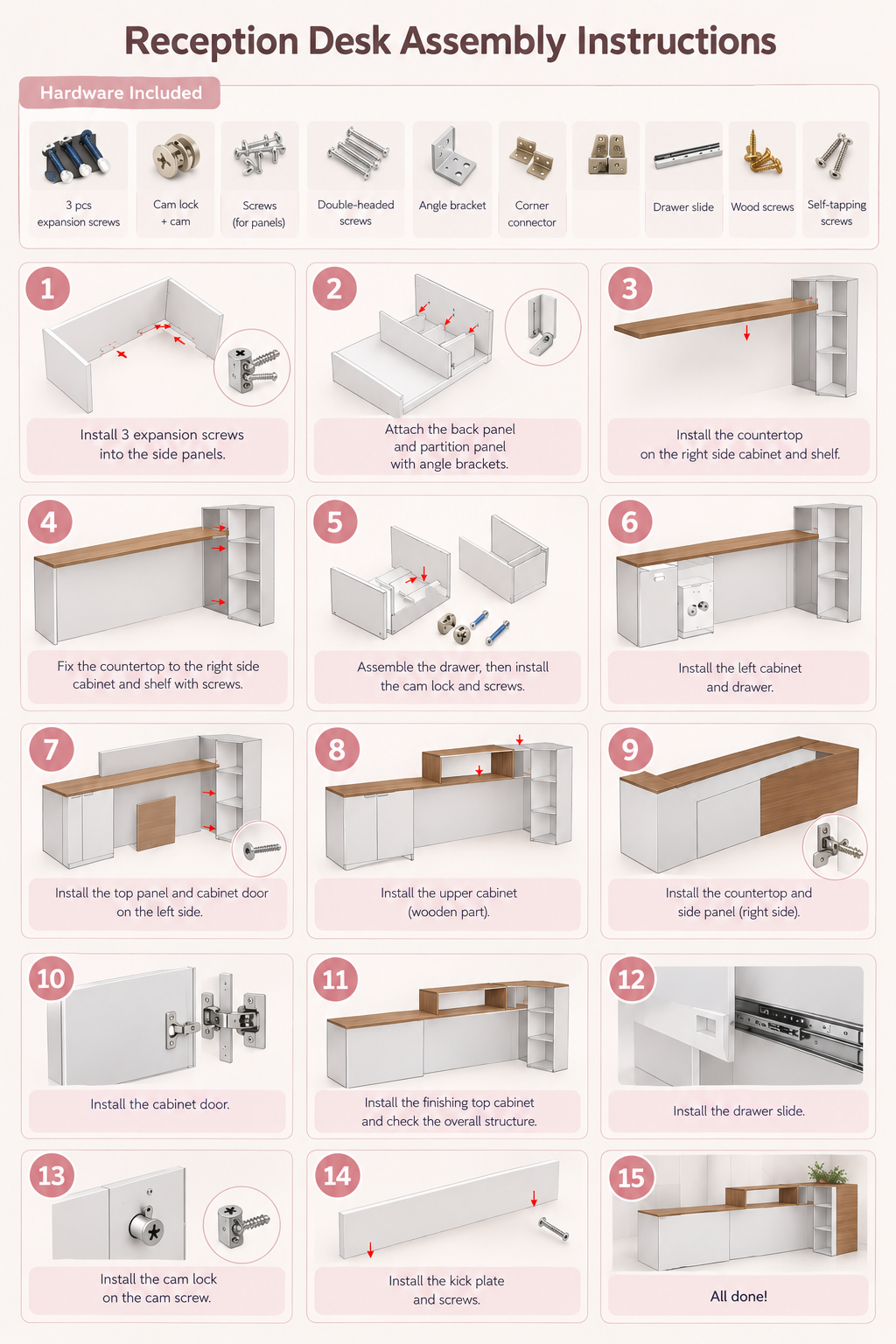
If you want a printed or digital catalog under your brand, ask early what the factory can supply (product imagery, specifications, drawings) and what your team will need to produce. Splitting that work clearly at the start avoids a late scramble before launch.
How Format Changes Your Private Label Cabinet Branding
Whether you ship RTA or fully assembled changes where private label cabinet branding effort should go. The format decision affects the carton, the instructions, the unboxing, and even how much product fits in a container.
With RTA (flat pack), branding centers on the carton, labeling, and instructions, since the customer assembles the product. Clear, branded instructions matter more here than anywhere else. With fully assembled cabinets, branding centers on the finished product, protective packaging, and presentation on delivery, since the customer sees the cabinet first.
Learn more: What are RTA cabinets?
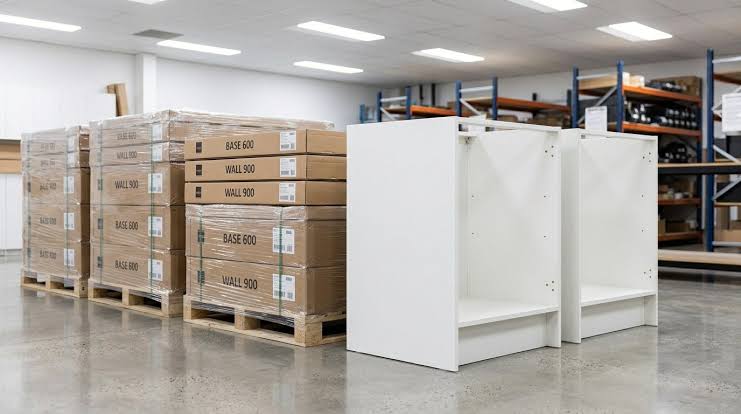
Branding decisions also affect freight efficiency. Bulkier packaging reduces what fits in a container, so packaging design and shipping cost should be planned together, not separately.
Private Label Cabinet Branding by Sales Channel: Retail vs. Jobsite
The same line often needs different private label cabinet branding depending on who buys it. A retail customer unboxing a cabinet at home needs something very different from an installer unloading a hundred units on a construction site.
| Retail / E-Commerce | Developer / Multi-Unit | |
| Packaging priority | Brand presentation and unboxing | Protection and easy identification |
| Labeling priority | SKU, barcode, product info | Unit, room, or floor identifiers |
| Documentation | Branded instructions, care guides | Installation guides, spec sheets |
| Support tools | QR-linked videos, online content | Drawings, CAD/BIM files |
| Typical concern | Consistency across reorders | Matching deliveries to construction phases |
Many brands serve both channels, so it helps to define label and packaging variants early rather than retrofit them later. A single carton design rarely serves both buyers equally well.
Learn more: Best multifamily cabinet manufacturers
Compliance Details Under Your Private Label Cabinet Branding
Private label cabinet branding sits on top of a set of legal and regulatory requirements. Getting these wrong can turn a good-looking line into a shipment held at the border, so they belong in the plan from day one. None of this replaces advice from a customs broker or compliance advisor.
- Country of origin marking: imported goods generally need to be marked with their country of origin. Confirm with your customs broker how that marking should appear on products and packaging.
- Composite wood labeling: cabinets made with composite wood must carry compliance labeling under TSCA Title VI, which also involves traceability information. Your branded labels should coexist with these required labels, so confirm placement and content with your manufacturer and a compliance advisor.
- Certifications and claims: only advertise certifications (such as FSC or KCMA) that apply to your specific product and that you can document, since claims on branded packaging become your responsibility.
- Trademark readiness: make sure your brand name and logo are cleared and registered where you plan to sell, before printing thousands of cartons.
Learn more: Cabinet certification
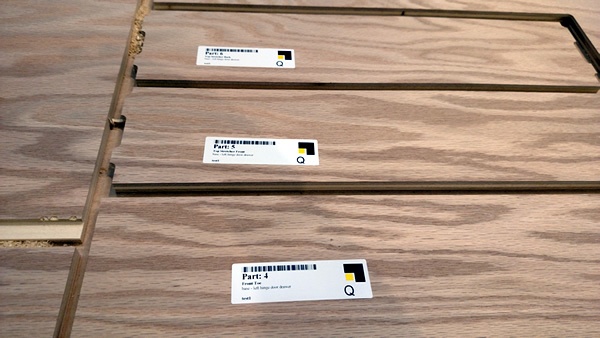
The point of this section is coordination. A required compliance label and a decorative brand label should be designed to sit together, not compete for the same space on a carton.
How a Private Label Cabinet Branding Project Typically Runs
A private label cabinet branding project follows a predictable path, even though the details vary by brand and program size. Knowing the steps lets a buyer prepare materials in advance and avoid delays.
- Brief and discovery: share your brand guidelines, target customer, price position, and sales channel.
- Product and finish definition: choose or develop door styles, finishes, and hardware, with digital samples where available.
- Branding assets: supply logo files, label artwork, and packaging specifications for review.
- Mockups and physical samples: approve packaging mockups and a physical sample showing finish, marking, and labeling.
- Pilot or first order: start with a manageable run to test quality, packaging performance, and logistics.
- Reorders and refinements: adjust packaging, labels, or documentation based on real-world feedback.
The pilot stage is the one buyers most often want to skip in private label cabinet branding, and the one that most often pays for itself. A small first run exposes packaging weaknesses and labeling errors while they are still cheap to fix.
Learn more: Logistics & Import: Streamlining the Shipping and Customs Process
Minimums and Cost of Private Label Cabinet Branding
Customization often interacts with minimum order quantities, since custom packaging and printing are produced in runs. Ask whether MOQs differ for branded versus standard product, and whether the minimum applies per SKU or across the whole order.
Costs can arise for artwork setup, printing, special packaging materials, and sample production. Ask what is included in the unit price and what is billed separately, so a quote for private label cabinet branding can be compared fairly against another supplier's.
Starting with a smaller pilot order, when the manufacturer allows it, lets you validate branding before committing to a full run. That reduces both financial risk and the chance of printing a large quantity of cartons with an error.
Learn more: How much is custom cabinetry
Protecting Your Brand in a Private Label Relationship
Private label cabinet branding only has value if it stays yours. The relationship with a factory should be set up to protect that from the start, in writing, rather than relying on goodwill.
- Put ownership of designs, tooling, and brand assets in the written agreement, along with confidentiality terms.
- Clarify exclusivity: whether your finishes, designs, or packaging can be offered to other customers.
- Agree on approval steps for packaging and labels, so a printing error is caught before production, not after shipment.
- Keep master artwork files and specifications on your side, so your brand isn't dependent on a single supplier's records.

Alt text: Brand owner reviewing a signed supply agreement
These steps cost little when set up early. They are far harder to negotiate after a dispute, which is why they belong in the same conversation as pricing and lead time.
A Private Label Cabinet Branding Checklist
Before committing to a supplier, run through this checklist for your private label cabinet branding program:
- Brand guidelines and logo files prepared in production-ready formats
- Product, finish, and hardware choices defined, with samples approved
- Packaging specification agreed (carton, protection, RTA vs. assembled)
- Label requirements defined (SKU, barcode, unit or room labeling, QR codes)
- Documentation planned (instructions, spec sheets, color booklets, catalogs)
- Country of origin and composite wood labeling reviewed
- Trademark cleared and design ownership agreed in writing
- MOQs and branding costs confirmed
- Pilot order or sample stage planned
Questions to Ask a Manufacturer About Private Label Cabinet Branding
The answers to these questions show quickly whether a factory has real experience with private label cabinet branding or is improvising as it goes.
- Can I put my own brand on the cabinets, and how is it applied?
- What packaging customization options are available, and are mockups provided?
- Is there a minimum order for private label branding, and does it differ from standard orders?
- What labeling can you provide: SKU, barcode, QR codes, unit or room labels?
- Can you supply branded manuals, spec sheets, color booklets, or catalog assets?
- Who owns the designs and artwork developed for my line, and can my finishes be exclusive?
- How are required compliance labels handled alongside my branding?
Learn more: Top 10 cabinet manufacturers
Supplier Spotlight: Casta Cabinetry
As a practical reference point for how a factory supports private label cabinet branding, it helps to look at how Casta Cabinetry structures its OEM program.
Founded in 2002, Casta is a Vietnam-based manufacturer specializing in kitchen cabinets, vanities, and custom furniture, with over two decades in the industry. It supports an OEM private label cabinet branding program, including custom branding, packaging, and documentation, with full custom manufacturing that can start from a buyer's sketches or CAD files.
Learn more: Sourcing Cabinets and Furniture from Vietnam: Your Ultimate Guide
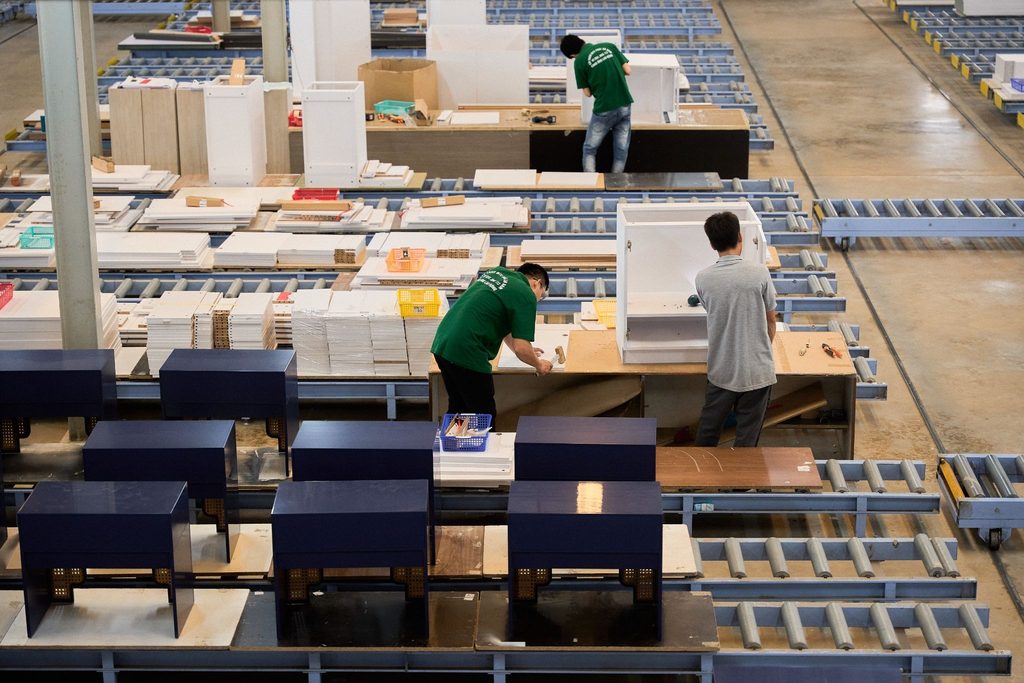
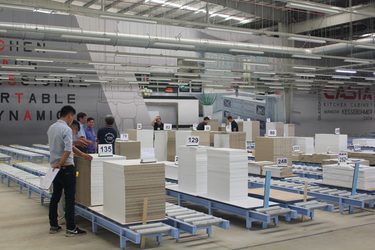
Alt text: Cabinet factory floor with cabinets being prepared for packing
Branding options described by Casta include logo stamping, barcoding, and custom labeling, plus labeling per unit, per room, or per project phase for multi-site installations. Documentation support includes branded manuals, spec sheets, and color booklets, with QR-linked guides and exploded diagrams for assembly, and CAD/BIM-ready files for design and catalog use. Finish development includes color and finish matching, with digital finish samples and packaging mockups available for approval before production.
Casta offers both RTA (flat pack) and fully assembled cabinets with export-ready packaging, supported by a dedicated logistics planning team. It operates two factories spanning over 100,000 m², using European machinery from brands including SCM, Homag, and Cefla, with a dedicated QA/QC team and a sample-first process before mass production.
Learn more: Top RTA furniture manufacturers
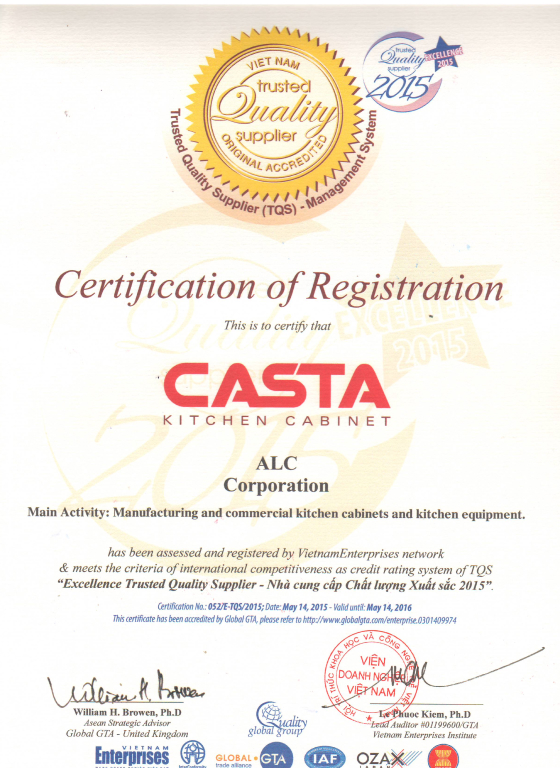
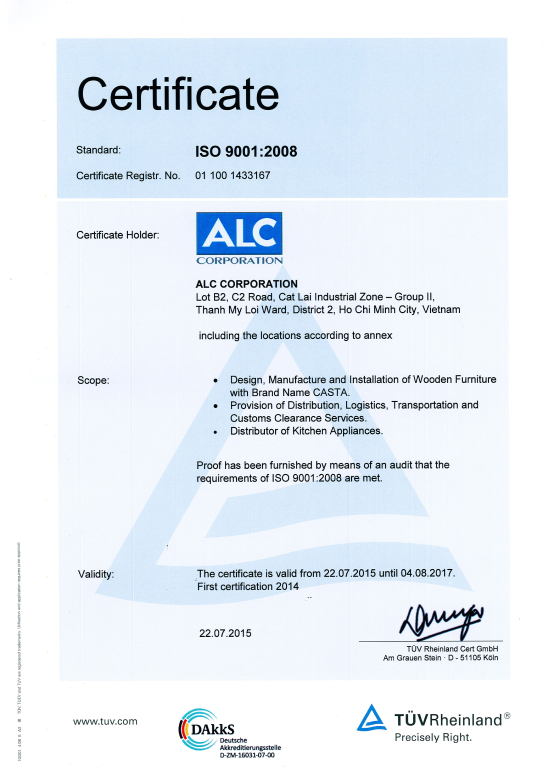
Materials are sourced to meet standards including European E1, JIS, CARB, and FSC, alongside BSI and BSCI, with TCVN ISO 9001:2015 quality management and KCMA certification. Over 80% of production is exported, primarily to the U.S., supported by sales and service offices in California, Texas, and New York.
Branding scope, minimums, and costs depend on your product mix and program size, so they are best confirmed in a direct conversation and written agreement.
FAQ
Can I put my own brand on cabinets made by Casta?
What packaging customization options are available?
Is there a minimum order for private label branding?
Can I get custom catalogs with my branding?
What is the difference between private label and white label cabinets?
Who owns the designs developed for a private label line?
Conclusion
Strong private label cabinet branding runs through five layers: product identity, product marking, packaging, labeling, and documentation. A logo alone rarely makes a line feel like yours.
The most successful private label cabinet branding programs plan branding and logistics together, define the sales channel early, and put design ownership, labeling compliance, and approval steps in writing. Casta Cabinetry, with OEM and ODM capability, branding, packaging, and documentation support, and U.S.-based points of contact, is a starting point for a conversation about building your own cabinet line.
Ready to build your own cabinet line? Contact Casta Cabinetry's team to share your brand guidelines, discuss packaging and labeling options, and request samples for your private label line.






Cabinet Quality Control Process: How Bulk Orders Are Inspect...
For a wholesaler buying from overseas, the biggest fear usually isn’t price. It’s opening a container weeks ...
09/22/2026 | David Nguyen
How Many Kitchen Cabinets Fit in a 20ft/40ft Container?...
For a wholesaler pricing out a bulk order, cabinets per container is the number that turns a quote into an actual budget...
09/20/2026 | David Nguyen

FSC Certified Cabinets: Why It Matters for Green Building Pr...
For a developer working on a certified green building project, FSC certified cabinets aren’t just a sustainability...
09/18/2026 | David Nguyen
Lead Time for Wholesale Cabinet Orders: From Factory to Deli...
For a developer or wholesaler working against a construction or renovation deadline, cabinet lead times aren’t a n...
09/16/2026 | David Nguyen
Cabinet Quality Control Process: How Bulk Orders Are Inspect...
For a wholesaler buying from overseas, the biggest fear usually isn’t price. It’s opening a container weeks ...
09/22/2026 | David Nguyen
How Many Kitchen Cabinets Fit in a 20ft/40ft Container?...
For a wholesaler pricing out a bulk order, cabinets per container is the number that turns a quote into an actual budget...
09/20/2026 | David Nguyen
FSC Certified Cabinets: Why It Matters for Green Building Pr...
For a developer working on a certified green building project, FSC certified cabinets aren’t just a sustainability...
09/18/2026 | David Nguyen
Lead Time for Wholesale Cabinet Orders: From Factory to Deli...
For a developer or wholesaler working against a construction or renovation deadline, cabinet lead times aren’t a n...
09/16/2026 | David Nguyen
Contact us
Casta is always ready to listen and answer all customers' questions