EN

For a wholesaler buying from overseas, the biggest fear usually isn't price. It's opening a container weeks later and finding problems that can't be fixed from 8,000 miles away. The cabinet quality control process is what stands between a supplier's promise and the product that actually arrives.
This guide is written for wholesalers and distributors placing bulk cabinet orders from a remote supplier who want to understand what real quality control looks like, not just what a sales deck promises. It walks through why the cabinet quality control process builds quality in at several stages, the checkpoints a bulk order should pass, which defects matter most, how buyers can add their own inspection, and what should happen when something fails.
Why the Cabinet Quality Control Process Is Not a Final Check
"Imported goods aren't reliable" is a stereotype, but it exists for a reason: some suppliers have weak or invisible quality control, and buyers have been burned by it. The fix isn't avoiding overseas suppliers. It's understanding what a genuine cabinet quality control process looks like, so a buyer can tell the difference between a factory that checks quality and one that only claims to.
A single inspection at the end can catch visible problems, but it can't fix a weak material choice or a poorly calibrated cut made weeks earlier. The most reliable factories check quality at several points: before production starts, during manufacturing, and again before shipment. Each stage catches a different kind of problem.
This matters most for remote buyers because the earlier a problem is caught, the cheaper it is to fix. A defect found on the factory floor costs rework. The same defect found at the buyer's warehouse costs freight, delay, and a difficult claim. A strong cabinet quality control process is really a way of moving problem discovery as far upstream as possible.
A useful test when evaluating any supplier: ask where in the cabinet quality control process quality is checked, not just whether it is. A supplier who can name specific stages, and who checks each one against a written reference, is describing a system. A supplier who simply says "we have strict QC" is describing a slogan.
The Checkpoints in the Cabinet Quality Control Process
A well-run cabinet quality control process for a bulk order moves through six checkpoints, from the first approved specification to the final loading of the container. Skipping any one of them leaves a gap that the others can't fully cover.
1. Approved Specifications and Sample Verification
The cabinet quality control process starts before production, with a clear, approved specification: dimensions, materials, finishes, hardware, and quantities. A physical sample, approved by the buyer, gives both sides a shared standard to measure the finished order against.
This step is easy to overlook, but without an agreed reference, "defect" becomes a matter of opinion. The approved sample is what makes later inspection objective, and it's the foundation that every later stage of the cabinet quality control process depends on.
Learn more: Types of kitchen cabinets materials
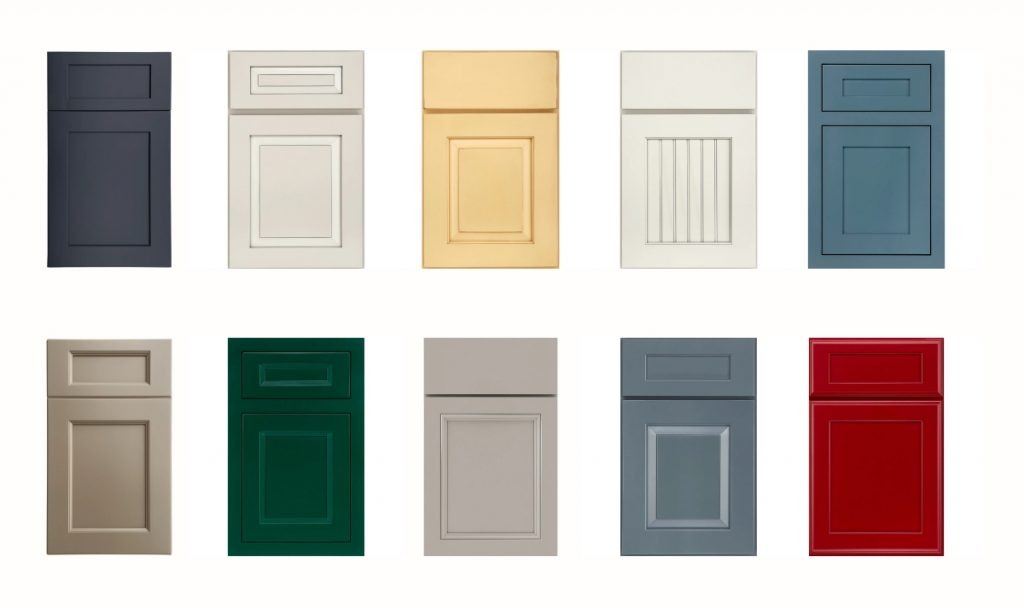
How Casta approaches it: Casta builds its quality control around the buyer's own specification. Once the specification is handed over, the dedicated QA/QC team works from it as the single reference, with the goal that no item ships with flaws. A sample is sent to the buyer for verification, and the buyer's sign-off on that sample sets the standard for everything that follows.
2. Production Drawing Approval
Once the sample is confirmed, the factory turns it into detailed production drawings. The workshop builds the full run from these drawings, not from the sample itself. The drawings go back to the buyer for a final review, which is the last chance to catch a mismatch in dimensions, finish, hardware, or quantity on paper, where fixing it costs nothing, instead of on the production line.
In a well-run cabinet quality control process, mass production is only released after the buyer approves these drawings. This makes sure the product is built to the exact version both sides agreed on. A sample proves the product can be made, while the approved drawing locks in how every unit will be made. Without that lock, small differences between the sample and the production run can creep in unnoticed.

What should a buyer check on the drawings? A short list covers most of the risk:
- Dimensions and tolerances
- Door and drawer configuration, including hinge sides
- Finish and color references
- Hardware specification
- Quantities per item or unit
- Labeling and packing requirements
Learn more: Types of cabinet hinges
The approved drawing also becomes the reference document for later inspection, so any dispute can be settled against a version both parties signed off. That makes this checkpoint one of the most underrated parts of the whole cabinet quality control process.
How Casta approaches it: drawing approval works as a formal gate before production. Casta issues the production order only after the buyer signs off on the final drawings. Its QA/QC team then checks finished goods against that approved version, covering finish quality, dimensions, materials, hardware, quantity, and packaging.
3. Incoming Material Inspection
Panels, edge banding, hardware, and finishing materials are checked when they arrive at the factory, before they enter production. Typical checks include panel thickness and grade, moisture condition, surface quality, and whether hardware matches the specified brand and type.
A cabinet can only be as good as its raw materials, which is why incoming inspection is an early safeguard in the cabinet quality control process. Catching an off-spec batch at this stage prevents it from being built into hundreds of units, which is far cheaper than discovering the same problem after assembly and finishing have already added labor to every piece.
Learn more: Difference between mdf and mfc vs plywood vs hdf
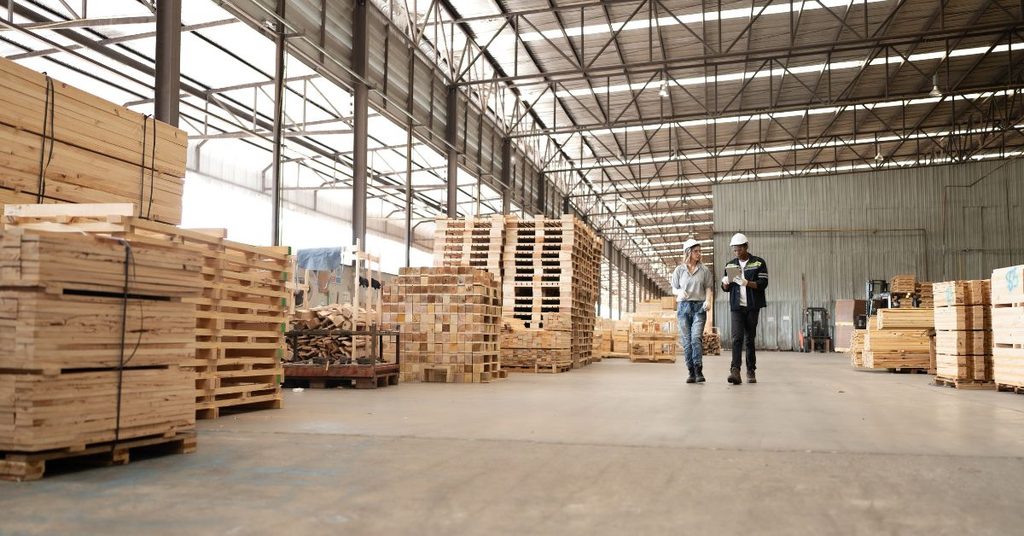
How Casta approaches it: materials are among the items Casta's QA/QC team checks against the approved specification, alongside finish, dimensions, hardware, quantity, and packaging, so the same reference carries from the drawing stage through to shipment.
4. In-Process Checks During Production
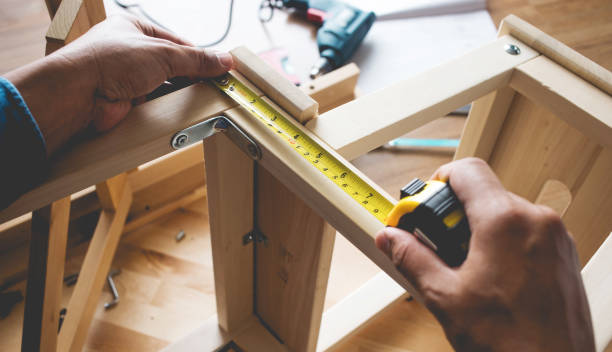
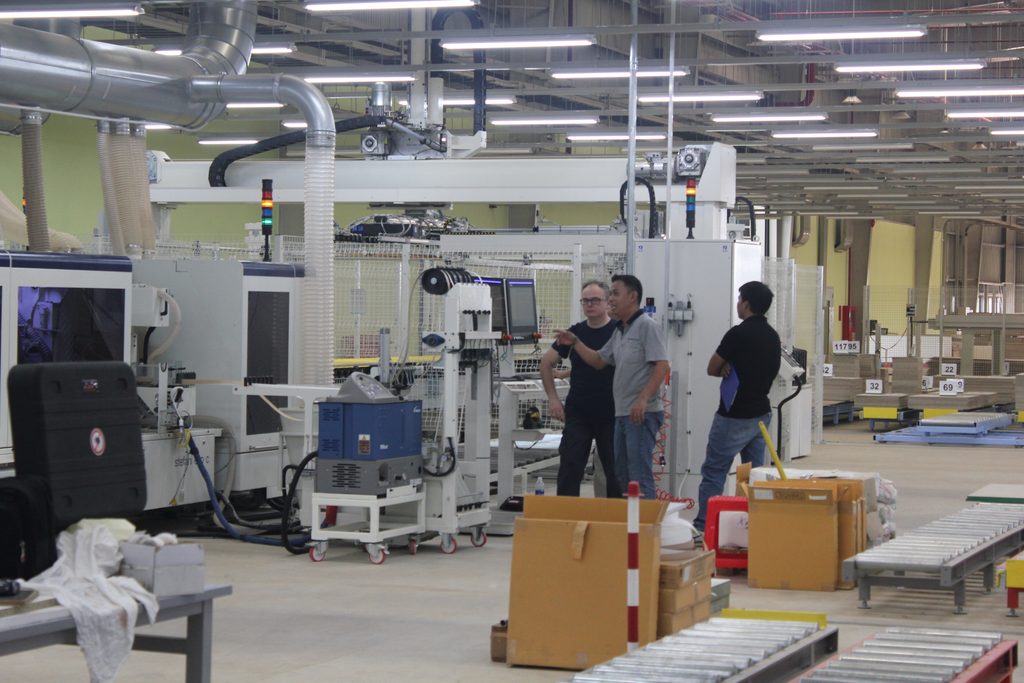
Checks happen at key stages on the line: panel cutting accuracy, drilling and boring positions, edge sealing, assembly squareness, and finish application. Precision machinery helps keep tolerances consistent, but inspection is still needed to confirm results rather than assume them.
This stage of the cabinet quality control process is the biggest differentiator between factories. It's where consistency across hundreds of units is either maintained or lost, and it's the stage a buyer can't see without asking about it. Two factories can produce an identical approved sample and still deliver very different bulk orders, because only one of them is checking the line while it runs.
Learn more: Types of joints for cabinets
5. Final Product Inspection Before Packing
Finished cabinets are checked against the approved specification before they go into cartons. Common checks include finish quality, dimensions, material and hardware confirmation, and quantity count. Hardware function is tested too: doors hang evenly, drawers run smoothly, and soft-close mechanisms work as specified.
This is the checkpoint most buyers think of as "inspection," and it is the core of any pre-shipment inspection for furniture. But it works best as the last of several, not the only one. A final check can confirm that the earlier stages of the cabinet quality control process worked, but it can't replace them.

6. Packing and Loading Check
Even a perfect cabinet can arrive damaged if packing is weak. Inspection should cover packaging protection, labeling accuracy, carton condition, and how units are loaded into the container. For larger projects, labeling by unit and by floor or room saves significant time at installation and makes it easier to trace any issue to a specific item.
This belongs in the cabinet quality control process because transit damage is one of the most common sources of disputes on imported orders, and it's largely preventable. A factory that treats packing as part of quality, rather than as an afterthought, removes a whole category of problems before they start.
Learn more: ISTA Package Testing Standards
What Inspectors Actually Look For: Common Cabinet Defects
A cabinet defect inspection within the cabinet quality control process follows a fairly consistent set of categories. Knowing them helps a buyer read an inspection report critically and ask sharper questions when something is flagged.
- Finish defects: uneven color, visible brush or spray marks, orange peel texture, chips, scratches, and dust particles trapped in the coating.
- Dimensional issues: panels or doors outside tolerance, gaps that aren't even, and boxes that aren't square.
- Material and construction issues: wrong panel grade, weak edge sealing, loose joints, and visible glue residue.
- Hardware problems: misaligned hinges, drawers that bind or sag, and soft-close mechanisms that don't engage properly.
- Packaging and quantity issues: missing parts, miscounts, wrong labeling, and damaged cartons.
Learn more: Material & Finish Innovations: Elevating Cabinet Design and Durability
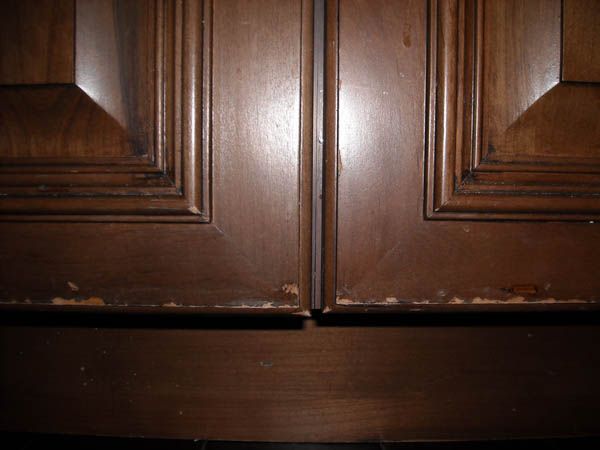
How defects are usually graded matters as much as what's found. Many inspections classify findings as critical, major, or minor, with different tolerance levels for each. This keeps an occasional cosmetic flaw from being treated the same as a structural problem, and it gives buyer and supplier a common language for deciding whether a lot passes.
How Sampling Works on a Bulk Order
Inspecting every single unit in a large order isn't always practical, so QC inspection for kitchen cabinets commonly uses statistical sampling. A set number of units is pulled at random and checked, and the result determines whether the lot is accepted.
The sampling plan and acceptable defect levels are core elements of the cabinet quality control process and should be agreed before production, not decided after problems appear. Many buyers work from an acceptable quality limit, often called AQL, which sets how many defects of each severity a sample can contain before the lot is rejected. A common approach is zero tolerance for critical defects, with slightly looser limits for major and minor ones.

Questions worth asking any supplier: what sampling standard they use, what acceptance level applies, and how results are documented and shared with the buyer. Transparency matters here, because a supplier that can explain its sampling approach clearly usually has one. Vague answers are a warning sign.
Adding Your Own Layer: Third-Party Inspection
Many buyers, especially on first orders or large volumes, add an outside layer to the cabinet quality control process by hiring an independent inspection company to check goods at the factory before shipment. A third-party quality check on cabinets gives the buyer an unbiased report with photos and measured results, which is useful both for peace of mind and as documentation if a dispute arises.
Reputable factories generally accept third-party inspection as a normal part of international trade. A supplier that resists or discourages it deserves extra scrutiny, because a factory confident in its own cabinet quality control process has little reason to avoid an independent set of eyes.

A few practical tips make third-party inspection work better:
- Agree on the inspection scope and standard in the purchase agreement.
- Schedule the inspection when production is complete and packing is largely finished.
- Decide in advance what happens if the result is unsatisfactory.
Settling these points early turns the inspection from a source of friction into a shared part of the cabinet quality control process. Both sides know what's being measured, against what standard, and what follows from the result.
Learn more: Cabinet certification
What Happens When an Order Fails Inspection
A failed inspection is not automatically a disaster. It's the system working as intended, because the problem is found before the goods leave the factory. The usual sequence is straightforward: the findings are documented, the factory reworks or replaces affected units, and a re-inspection confirms the fix before shipment is released.
Timeline and cost implications should be understood upfront: who pays for rework and re-inspection, how much delay is acceptable, and whether partial shipment is an option. This belongs in the contract, since the worst time to negotiate how a failure is handled is after it happens. A written failure procedure is a core part of any cabinet quality control process, because it protects both sides and keeps a quality issue from turning into a relationship issue.
Learn more: Lead Times & Supply Chain Resilience: Navigating Potential Disruptions
Documenting the Cabinet Quality Control Process: Reports and Records
A cabinet quality control process is only as useful to a remote buyer as the records it produces. Inspections that happen but leave no trace can't settle a dispute, can't show a trend, and can't prove to a customer or a lender that due diligence was done. That's why documentation deserves its own place in the process, not a footnote at the end.
At a minimum, a buyer should expect to see an inspection report for the final check, with photos of the sampled units, the measured results against the approved drawing, and a clear pass or fail decision. For larger or recurring orders, it's reasonable to ask for in-process records too, such as cutting and assembly checks, so that consistency can be tracked across production runs instead of being judged from a single report.
A good report is specific. It names the order, the date, the sample size, and the standard used. It lists any defects found by category and shows how each one was resolved. A report that only says "inspection passed" without that detail is closer to a receipt than a record, and it won't help much if a problem surfaces after delivery.
Corrective action records matter as much as the inspection itself. When a defect is found, the useful question is not only whether it was fixed, but whether the cause was identified so it doesn't repeat on the next order. Suppliers who track the cause of recurring issues, whether a worn tool, a material batch, or a finishing step, tend to improve quality over time. Suppliers who simply rework units and move on tend to repeat the same problems.
Finally, buyers should agree on how long records are kept and how quickly they can be shared. Having inspection photos and reports available in the days before shipment lets a buyer raise concerns while the goods are still at the factory, which is the cheapest and most flexible moment to act. That is the real value of a documented cabinet quality control process: it turns quality from a promise into something a buyer can actually review.
A Cabinet Quality Control Process Checklist for Remote Bulk Buyers
Pulling the earlier sections together, here's a practical checklist for any buyer evaluating a supplier's cabinet quality control process before committing to a bulk order:
- Specifications, drawings, and an approved sample agreed in writing before production
- Incoming material checks confirmed for panels, edge banding, hardware, and finishes
- In-process inspection points explained, not just a final check
- Sampling method and acceptance criteria agreed in advance
- Defect categories (critical, major, minor) defined
- Third-party inspection permitted, with scope agreed
- Packaging, labeling, and container loading checks included
- Failure process documented: rework, re-inspection, cost responsibility, and timeline
Questions to Ask a Manufacturer About the Cabinet Quality Control Process
Before placing an order, put these questions about the cabinet quality control process to any supplier. The quality of the answers, and how specific they are, tells a buyer as much as the answers themselves.
- At which stages of production do you inspect, and who performs each inspection?
- What do you check at final inspection, and how are results documented?
- What sampling method and acceptance criteria do you use for bulk orders?
- Do you allow third-party inspection, and have you worked with buyers who use it?
- What happens if an order fails inspection, and who bears the cost of rework?
- Can you share inspection reports or photos before shipment?
Learn more: Kitchen cabinet buying guide
Supplier Spotlight: Casta Cabinetry
As a practical reference point for how this process works in a real factory, it's worth looking at how Casta Cabinetry structures its cabinet quality control process for bulk orders.
Founded in 2002, Casta is a Vietnam-based manufacturer specializing in kitchen cabinets, vanities, and custom furniture, with over two decades in the industry. The company operates two factories spanning over 100,000 m², using European machinery from brands including SCM, Homag, and Cefla, with manufacturing automation reaching roughly 90%. CNC panel cutting at ±0.1 mm precision, with PUR hot-melt edge sealing for added moisture resistance, supports consistency before inspection even begins.
Learn more: Sourcing Cabinets and Furniture from Vietnam: Your Ultimate Guide
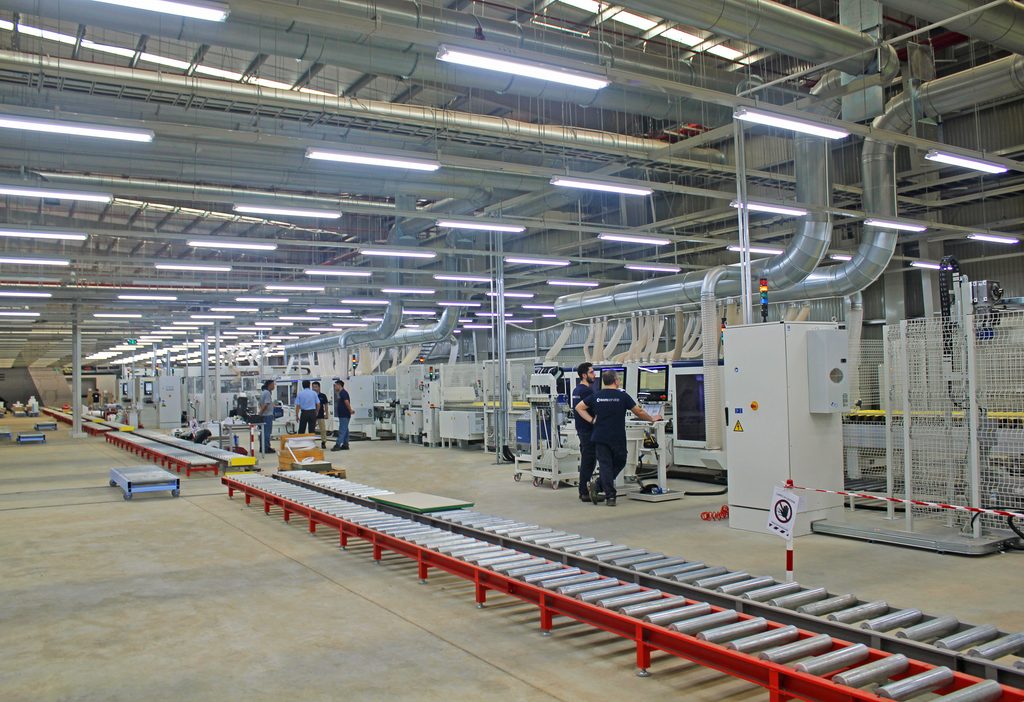
The process starts with discovery and consultation, followed by detailed shop drawings and a physical sample shipped to the buyer for approval before mass production. Within this cabinet quality control process, a dedicated QA/QC team inspects finish quality, dimensions, materials, hardware, quantity, and packaging, and every cabinet is checked against the buyer's approved specifications before shipment.
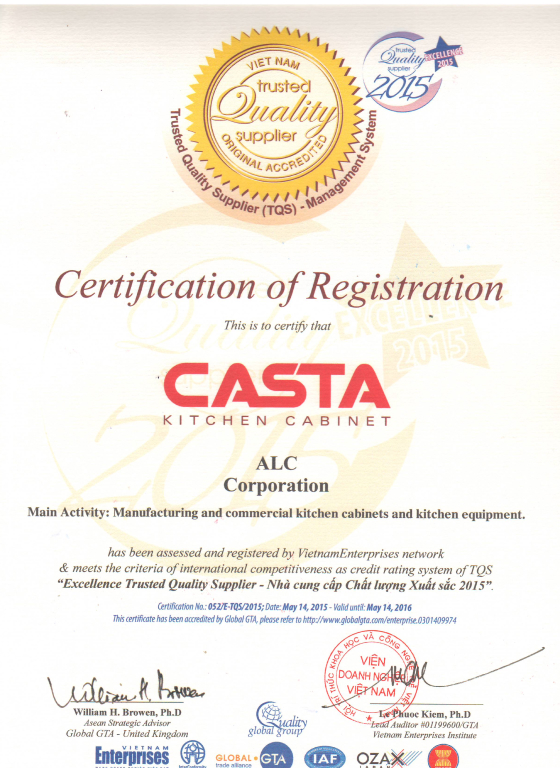
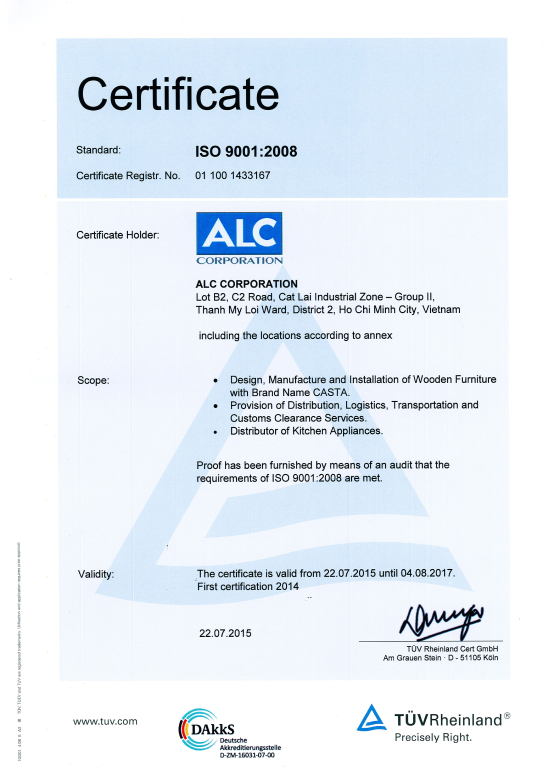
Packing options include flat pack (RTA) or fully assembled, with floor-by-floor and unit-by-unit labeling and export-ready packaging, supported by a dedicated logistics planning team. Casta operates under TCVN ISO 9001:2015 quality management standards, holds KCMA certification, and works with certifications including European E1, JIS, CARB, FSC, BSI, and BSCI.
Learn more: What is carb compliance
Over 80% of production is exported, primarily to the U.S., supported by sales and service offices in California, Texas, and New York, giving buyers a direct contact for inspection questions and reports. Buyers should still agree on inspection scope, sampling criteria, and failure procedures in writing for each bulk order, and are free to add a third-party inspection of their own.
FAQ
How are cabinets inspected before shipping?
Can buyers request a third-party inspection?
What defects are checked during cabinet QC?
What happens if a bulk order fails inspection?
What is a pre-shipment inspection for furniture?
How is the sample size decided for a cabinet inspection?
Conclusion
A reliable cabinet quality control process isn't a single final check. It's a series of checkpoints from approved samples through materials, production, final inspection, and packing. For remote buyers, the most useful protections are written specifications, an agreed sampling and defect standard, the freedom to use third-party inspection, and a clear process for handling failures.
Casta Cabinetry, with a sample-first process, a dedicated QA/QC team, and U.S.-based points of contact, is a starting point for a transparent conversation about how its cabinet quality control process would apply to your bulk order.
Ready to plan quality checks for your next bulk order? Contact Casta Cabinetry's team to discuss inspection procedures, request samples, and plan quality checks before you commit.





Private Label Cabinet Branding: Custom Packaging & Label...
Putting your name on a cabinet line is one of the fastest ways for a retailer or brand to build margin and customer loya...
09/24/2026 | David Nguyen

How Many Kitchen Cabinets Fit in a 20ft/40ft Container?...
For a wholesaler pricing out a bulk order, cabinets per container is the number that turns a quote into an actual budget...
09/20/2026 | David Nguyen

FSC Certified Cabinets: Why It Matters for Green Building Pr...
For a developer working on a certified green building project, FSC certified cabinets aren’t just a sustainability...
09/18/2026 | David Nguyen
Lead Time for Wholesale Cabinet Orders: From Factory to Deli...
For a developer or wholesaler working against a construction or renovation deadline, cabinet lead times aren’t a n...
09/16/2026 | David Nguyen
Private Label Cabinet Branding: Custom Packaging & Label...
Putting your name on a cabinet line is one of the fastest ways for a retailer or brand to build margin and customer loya...
09/24/2026 | David Nguyen
How Many Kitchen Cabinets Fit in a 20ft/40ft Container?...
For a wholesaler pricing out a bulk order, cabinets per container is the number that turns a quote into an actual budget...
09/20/2026 | David Nguyen
FSC Certified Cabinets: Why It Matters for Green Building Pr...
For a developer working on a certified green building project, FSC certified cabinets aren’t just a sustainability...
09/18/2026 | David Nguyen
Lead Time for Wholesale Cabinet Orders: From Factory to Deli...
For a developer or wholesaler working against a construction or renovation deadline, cabinet lead times aren’t a n...
09/16/2026 | David Nguyen
Contact us
Casta is always ready to listen and answer all customers' questions