


 EN
EN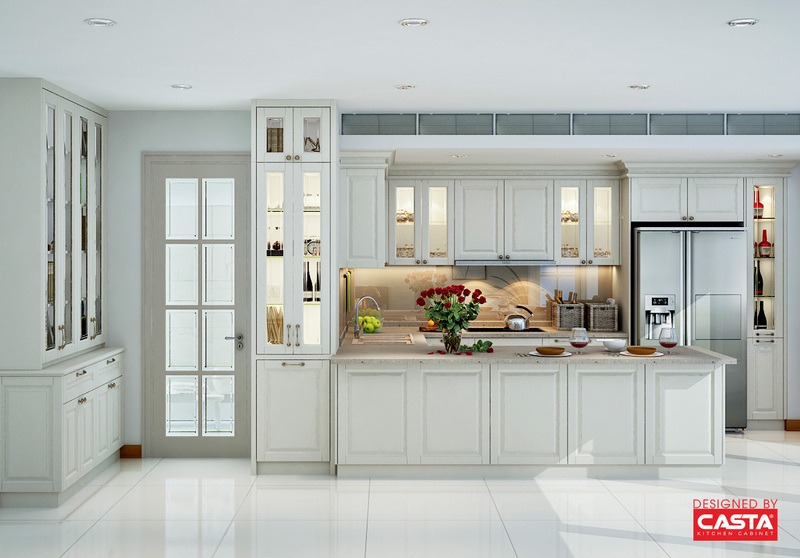
For B2B buyers, choosing the most durable paint for kitchen cabinets involves more than picking a trusted brand or a premium price tag — it comes down to paint chemistry, curing environment, and application method. This guide compares the main finish types buyers rely on, walks through the technical specs behind each one, and shows what to ask a manufacturer before you spec your next project.
What Makes Durable Paint for Kitchen Cabinets Actually Durable
This guide hits hardest for two groups: contractors fielding complaints about chipping or scratching finishes and cabinet brands whose reputation rides on how a product holds up after installation. For both, the most durable paint for kitchen cabinets isn't a single product—it's a combination of chemistry, application process, and cure method, not just the color on the sample chip.
Before comparing individual products, it helps to define what "durable" actually means. The most durable paint for kitchen cabinets typically performs well across four measurable factors, not just one — and understanding these factors is the first step toward correctly specifying the most durable paint for kitchen cabinets.
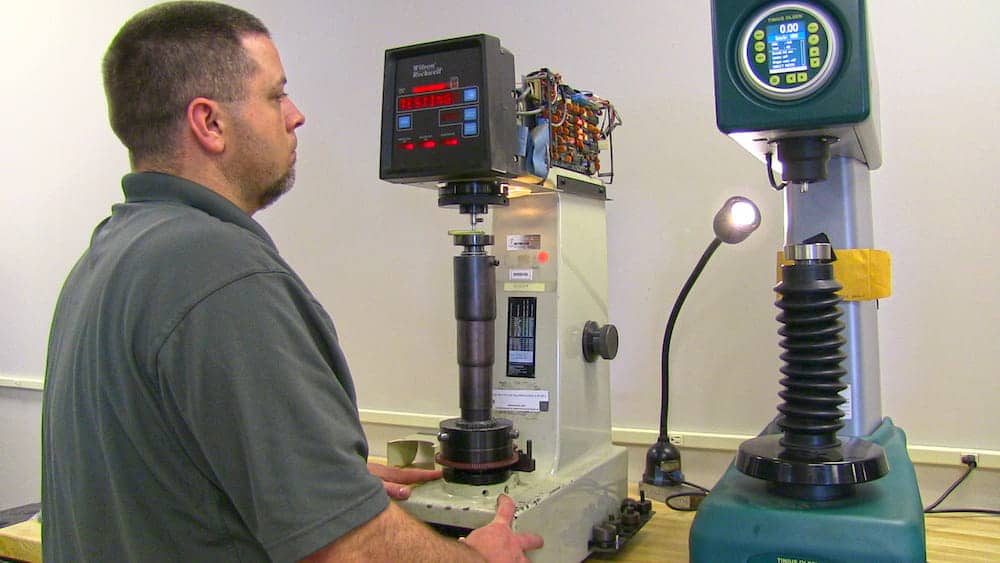
Hardness and scratch resistance. A tough, cured film resists everyday contact from hands, utensils, and cleaning tools without dulling or marking.
Moisture resistance. Kitchens see constant exposure to steam, spills, and humidity swings near the sink and dishwasher—a finish that can't handle that exposure will fail early, regardless of how it looks on day one.
Resistance to yellowing over time. UV exposure and heat cause some finishes to amber or discolor years after installation, which is a durability issue even when the surface itself hasn't physically degraded.
How well it holds up to daily contact is another important factor. Hand oils, cleaning products, and repeated opening and closing all wear on a finish differently than a single scratch test would suggest.
Factory-applied finishes generally outperform site-applied paint jobs for a simple reason: a controlled environment and proper cure time make a measurable difference in how hard and consistent the final film becomes. Durability isn't just about the paint itself, either — surface prep, the number of coats applied, and the cure conditions all affect how long a finish actually lasts, which is why two cabinets using the same paint can perform very differently.
With those four factors as the baseline, the rest of this guide sets up a direct comparison: the main finish types buyers commonly evaluate when searching for the most durable paint for kitchen cabinets and how each one stacks up.
These four factors also serve as a diagnostic checklist for contractors who receive complaints about chipping or scratching finishes, as well as for cabinet brands that depend on the durability of their products after installation. If a finish is failing in the field, it's usually one of hardness, moisture resistance, yellowing, or daily-contact wear breaking down—not simply "bad paint." Framing the problem this way makes it much easier to identify which finish actually qualifies as the most durable paint for kitchen cabinets in a given application, rather than relying on a brand name alone.
Factory-Applied vs. Site-Applied Finishes
One of the biggest — and most overlooked — factors in cabinet durability isn't the paint type at all. It's where and how the finish is applied.
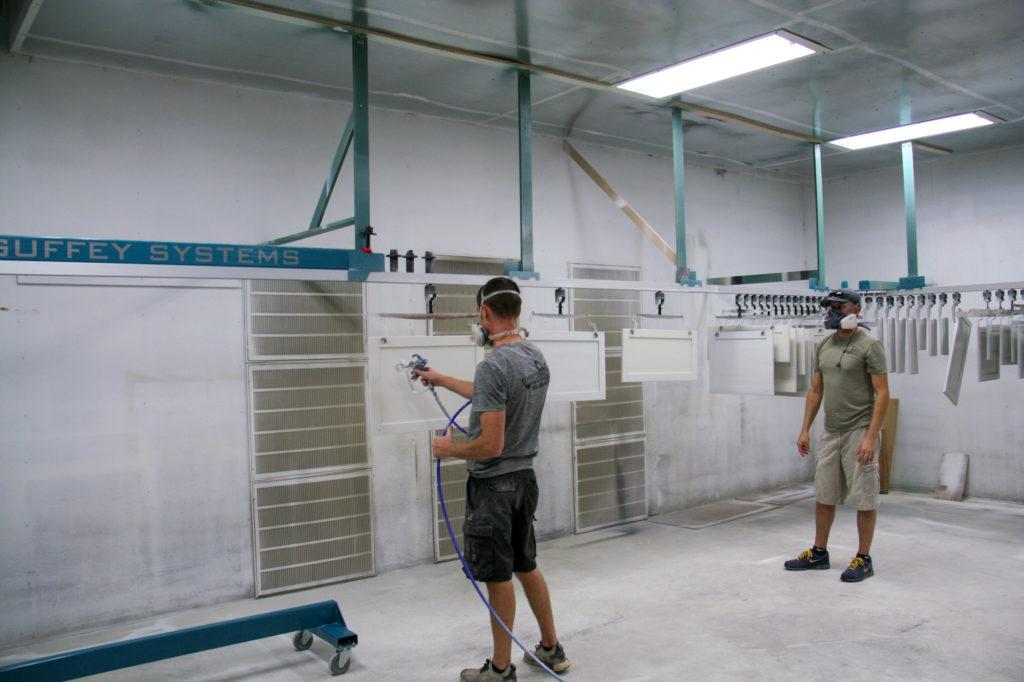
Controlled factory conditions — consistent temperature, controlled humidity, and a proper cure cycle — tend to produce a more durable, even finish than on-site painting can achieve. A factory environment removes most of the variables that cause finish failure in the field.
Site application introduces several risks that a factory setting is built to avoid: uneven coats from inconsistent spray technique, inadequate cure time before the cabinet is put back into use, and inconsistent surface prep from one door to the next. Any one of these can shorten the working life of even a genuinely good paint.
This distinction often matters more than the paint type itself when comparing two similarly priced options. A mid-tier finish applied and cured correctly in a factory can outlast a premium finish that was rushed or under-cured on-site. When contractors and buyers ask about the most durable paint for kitchen cabinets, the honest answer usually starts with a question about where and how that paint is applied, not just which product is on the label.
This is also why sourcing decisions matter as much as finish selection. A manufacturer that controls its spray booths, drying systems, and cure schedules is far more likely to consistently deliver the most durable paint for kitchen cabinets than one that outsources finishing to a third party with less oversight.
Are Painted Kitchen Cabinets Durable? What It Actually Depends On
This is the question buyers ask most often, and the direct answer is "It depends." Durability depends heavily on finish type, application method, and how well the surface was prepped and cured—not on paint alone.
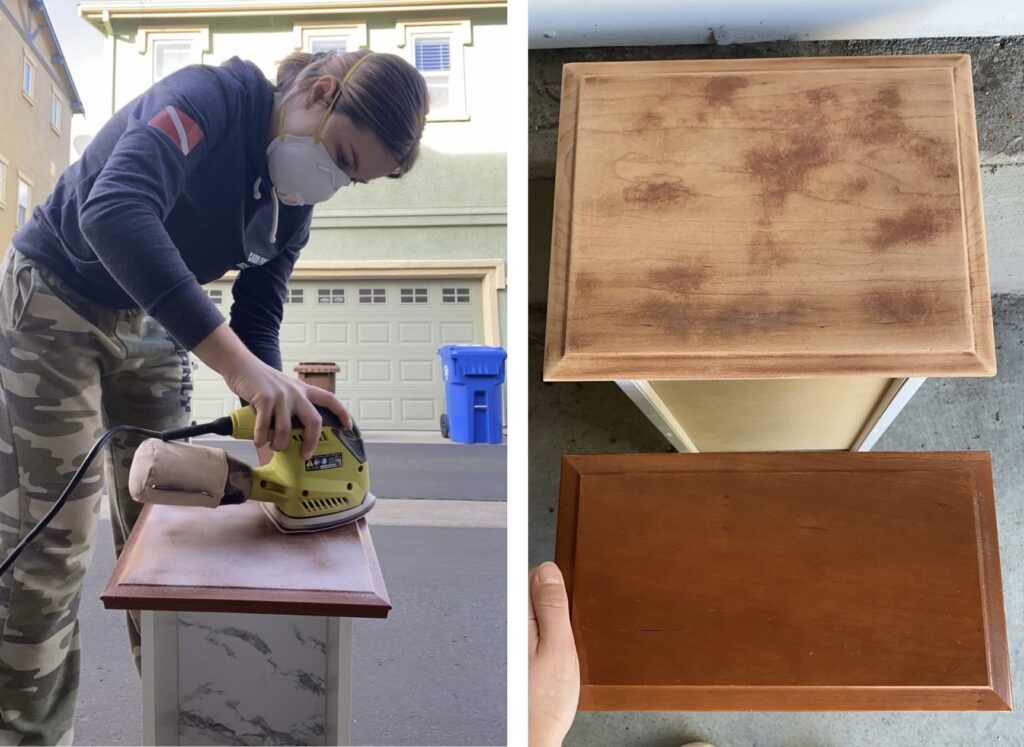
Four factors matter more than the paint chemistry itself once you're comparing real-world results:
- Finish type: Conversion varnish, catalyzed lacquer, and 2K polyurethane cure into a harder, more chemical-resistant film than standard latex or alkyd paint, which is why they show up more often on factory-finished lines than on-site repaints.
- Surface preparation: Proper sanding, degreasing, and priming create the bond the topcoat needs to adhere long-term. Skipping or rushing this step is one of the most common reasons a "premium" paint job still chips or peels early.
- Application method: Spray-applied finishes lay down a thinner, more even film than brush or roller application, which reduces the drips, brush marks, and uneven thickness that become weak points over time.
- Cure conditions: A controlled, temperature- and humidity-stable curing environment lets the finish reach full hardness before the cabinet goes into daily use — something a factory booth can guarantee in a way a job site usually can't.
Factory-finished cabinets tend to outlast site-painted ones even when using a comparable paint type, precisely because these four factors are controlled and repeatable in a production setting. So while the question "Are painted kitchen cabinets durable?" doesn't have a single yes-or-no answer, it does have a reliable pattern: the more consistent the process, the more durable the result — which is exactly why identifying the most durable paint for kitchen cabinets has to include how that paint is applied, not just what's in the can.
Contractors quoting a repaint or refinish job and cabinet brands positioning a private-label line both run into this same question from buyers. The most useful answer isn't a single product recommendation — it's a process: confirm the finish type, confirm where it's applied and cured, and confirm the number of coats before assuming any specific paint automatically qualifies as the most durable paint for kitchen cabinets.
Learn more: Painted kitchen cabinets
Comparing Cabinet Paint and Finish Types
Here's how the seven finish types buyers most commonly compare stack up, including the technical specs behind each one's durability profile and where each lands relative to the most durable paint for kitchen cabinets benchmark set by conversion varnish.
Learn more: Types of kitchen cabinets materials
1. Conversion Varnish (Catalyzed Lacquer)
What it is: A two-part finish that chemically cures into a hard, durable surface.
Durability profile: Strong resistance to scratches, moisture, and heat—generally considered one of the toughest options for cabinetry and frequently cited as the most durable paint for kitchen cabinets by finish suppliers and manufacturers alike.
Technical specs: Conversion varnish consists of 40–60% solids and cures chemically rather than by air-drying, with a hardening agent mixed in before application. Its durability comes from crosslinking between alkyd and amino resins, without any nitrocellulose in the mix. It's widely used in the US kitchen cabinet industry specifically because it passes KCMA (Kitchen Cabinet Manufacturers Association) durability requirements—one of the clearest third-party benchmarks for the most durable paints for kitchen cabinets.
Best suited for: High-traffic kitchens, commercial and rental properties, and projects where longevity is the priority — the classic use case for the most durable paint for kitchen cabinets.
Trade-off: Requires professional or factory application and generally carries a higher upfront cost.
2. Pre-Catalyzed Lacquer
What it is: A simpler, single-component version of conversion varnish.
Durability profile: Strong scratch and moisture resistance, though generally considered slightly less durable than full conversion varnish.
Technical specs: Standard lacquer runs about 12–18% solids, meaning multiple coats are needed to build an equivalent film. The catalyst is pre-blended by the manufacturer rather than mixed on-site, so it builds a harder film than uncatalyzed lacquer once cured—though it doesn't reach the hardness of conversion varnish or 2K polyurethane.
Best suited for: Mid-to-high volume projects needing a balance of durability and faster turnaround.
Trade-off: Shorter working life once mixed, and it needs controlled application conditions. Buyers who need the most durable paint for kitchen cabinets on a faster production schedule often land on pre-catalyzed lacquer as the practical middle ground.
3. Thermofoil
What it is: A vinyl material heat-fused onto MDF cabinet doors.
Durability profile: Strong resistance to scratches and stains, but vulnerable to heat damage — peeling near ovens or dishwashers is a known failure point.
Technical specs: Prolonged temperatures above roughly 150°F (about 65°C) are enough to soften the adhesive bond between the vinyl and the MDF core. Once thermofoil delaminates, there's no way to press it back to its original state because of how it was originally heat-wrapped. A typical realistic lifespan is around 10–15 years under normal conditions.
Learn more: Pros & Cons of thermofoil cabinets
Best suited for: Budget-conscious projects and cabinets positioned away from heat sources.
Trade-off: Once damaged, thermofoil generally can't be spot-repaired—the whole door typically needs replacing. That single limitation is usually the deciding factor when buyers weigh thermofoil against the most durable paint for kitchen cabinets options covered elsewhere in this guide.
4. UV Coating (UV-Cured Lacquer/Paint)
What it is: A coating that cures almost instantly under ultraviolet light rather than air-drying, forming a very hard surface film — a key reason it ranks among candidates for the most durable paint for kitchen cabinets.
Durability profile: Excellent scratch and chemical resistance, generally considered one of the hardest and most consistent factory finishes available — on par with or exceeding conversion varnish in some respects, putting it firmly in contention for the title of most durable paint for kitchen cabinets in flat-panel applications.
Technical specs: Typical scratch resistance is 3H–5H on the pencil hardness scale, and coated panels maintain adhesion after a 500 g steel ball drop test (per ISO 6272) and resist humidity cycling between 20–90% RH without cracking. Curing itself takes place through a photochemical reaction and can finish in under five seconds, versus hours or days for solvent-cured finishes.
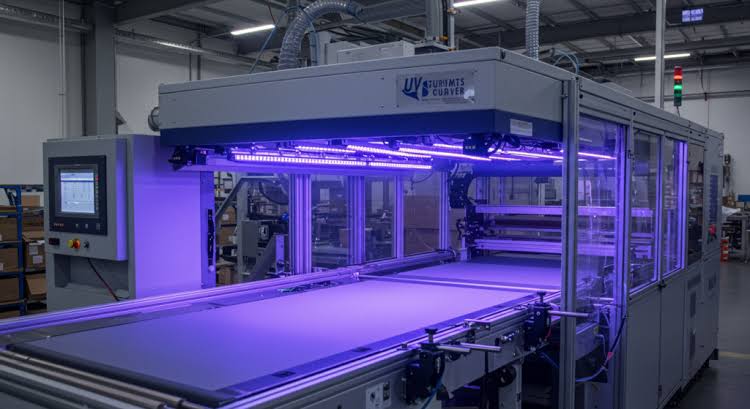
Best suited for: flat-panel cabinet doors, high-volume factory production, and modern high-gloss cabinet lines—another strong contender for the most durable paint for kitchen cabinets category.
Learn more: Specialized Cabinet Manufacturing: Modern & Industrial Solutions from Vietnam
Trade-off: Works best on flat surfaces — profiled or routed door styles are harder to coat evenly, and it's a factory-only process requiring specialized UV curing equipment.
5. Powder Coat
What it is: A dry powder finish cured under heat, forming an extremely hard shell.
Durability profile: Excellent resistance to chipping and scratching, among the more durable factory finishes available.
Technical specs: The powder is cured in an oven at temperatures between 110°C and 250°C, during which the powder particles melt and fuse into the finish. The coating contains no solvents and releases virtually no VOCs during application, and it's applied electrostatically for even coverage.
Learn more: Low VOC cabinets
Best suited for: Modern cabinet lines and high-durability commercial applications.
Learn more: Industrial Cabinets Made in Vietnam: Durability and Functionality for Demanding Applications
Trade-off: More limited color and texture range compared to liquid paint, and it requires specialized factory equipment. Still, for buyers ranking options by pure hardness, powder coat regularly appears alongside conversion varnish and UV coating on any short list of the most durable paint for kitchen cabinets.
6. Standard Latex or Acrylic Paint
What it is: The paint most commonly used for site-applied or DIY cabinet refinishing.
Durability profile: Generally lower resistance to scratches and moisture compared to factory finishes, and more prone to chipping at edges and corners over time.
Technical specs: Latex is water-based, using acrylic or vinyl resins suspended in a water carrier rather than solvent. Of all common paint types, latex releases the lowest amount of VOCs—but the resulting film stays comparatively soft even after full cure.
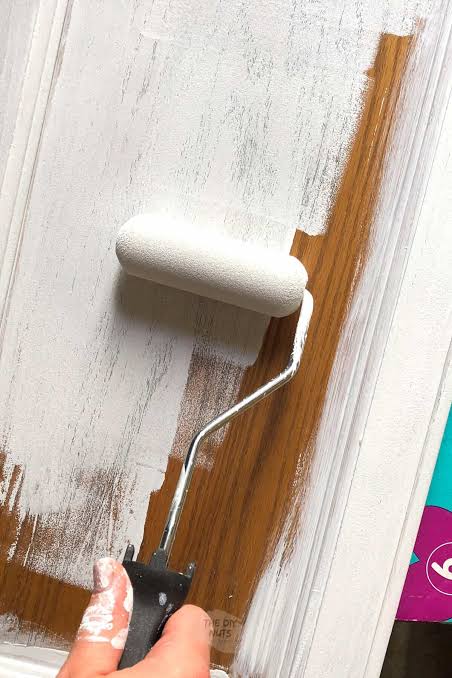
Best suited for: Budget refinishing projects and lower-traffic areas.
Trade-off: Typically the shortest realistic lifespan of the options covered here before touch-ups or a repaint is needed. Standard latex sits at the opposite end of the spectrum from the most durable paint for kitchen cabinets, which is precisely why it belongs on this list as the baseline for comparison.
Learn more: Pros and cons of acrylic kitchen cabinets
7. Water-Based Enamel
What it is: A modern alternative to solvent-based paint, designed to approximate the hardness of lacquer with lower VOC emissions.
Durability profile: Solid mid-range durability — generally an improvement over standard latex, though usually not as hard as conversion varnish.
Technical specs: The modern high-performing versions are waterborne urethane-modified alkyds, which aim to combine the hardness of traditional oil-based alkyd with soap-and-water cleanup and low-VOC compliance. Plain acrylic/latex enamel dries fast and cleans up easily but never reaches the hardness of a true alkyd film.
Best suited for: Projects prioritizing low-VOC and health considerations without giving up durability entirely.
Learn more: Non-toxic kitchen cabinets
Trade-off: Performance varies more by brand and formulation than the other options on this list, so buyers evaluating water-based enamel as the most durable paint for kitchen cabinets in a low-VOC category should request specific product data rather than relying on the category alone.
Which Finish Ranks as the Most Durable Paint for Kitchen Cabinets
Ranking the seven finish types head-to-head, conversion varnish, UV coating, and powder coat consistently sit at the top of the durability curve, backed by pencil-hardness scores, adhesion testing, and industry certification requirements rather than marketing claims alone.
Pre-catalyzed lacquer and water-based enamel form a credible middle tier—durable enough for most residential kitchens, with faster turnaround or lower VOC output as the trade-off. Thermofoil performs well against scratches but has a defined heat-related failure mode, and standard latex or acrylic paint remains the least durable option of the group, best reserved for lower-traffic refinishing rather than a full kitchen respec.
This ranking tends to hold up across climates and use cases, which is part of why contractors quoting projects in different regions can rely on the same general hierarchy when a client asks which finish qualifies as the most durable paint for kitchen cabinets for their specific kitchen.
For buyers who need one answer to "What's the most durable paint for kitchen cabinets?" conversion varnish remains the benchmark the rest of the industry gets measured against, but the right choice still depends on door style, budget, and whether the project can support factory-only processes like UV coating or powder coat.
What to Ask a Cabinet Manufacturer About Their Finish
Whatever finish type ends up on the spec sheet, the questions below apply to every manufacturer conversation — and to any request specifically for the most durable paint for kitchen cabinets a supplier can offer, whether the project calls for conversion varnish, UV coating, or another finish entirely.
- What paint or finish type do you use as standard?
- Is the finish applied and cured in a factory setting or on-site?
- What's the expected performance under daily kitchen use — moisture, heat, and cleaning exposure?
- Do you offer low-VOC or water-based finish options?
- What's the repair or touch-up process if the finish gets damaged in transit or installation?
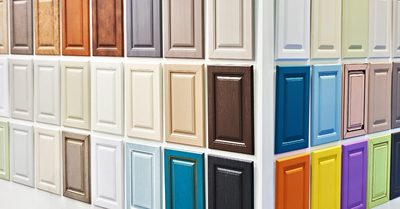
- Can you provide finish samples before a bulk order?
These six questions cut through marketing language and get to the factors that actually determine whether a manufacturer is offering the most durable paint for kitchen cabinets available to them or simply the cheapest one to produce. Asking them upfront also gives contractors a paper trail to point to if a client later questions why a specific finish was chosen over another.
Learn more: Kitchen cabinet buying guide
Supplier Spotlight: Casta Cabinetry
Founded in 2002, Casta is a Vietnam-based manufacturer specializing in kitchen cabinets, vanities, and custom furniture, with over two decades in the industry supplying contractors and cabinet brands that specifically request the most durable paint for kitchen cabinets available at factory scale.
Learn more: Why Choose Vietnam for Cabinet and Furniture Manufacturing?
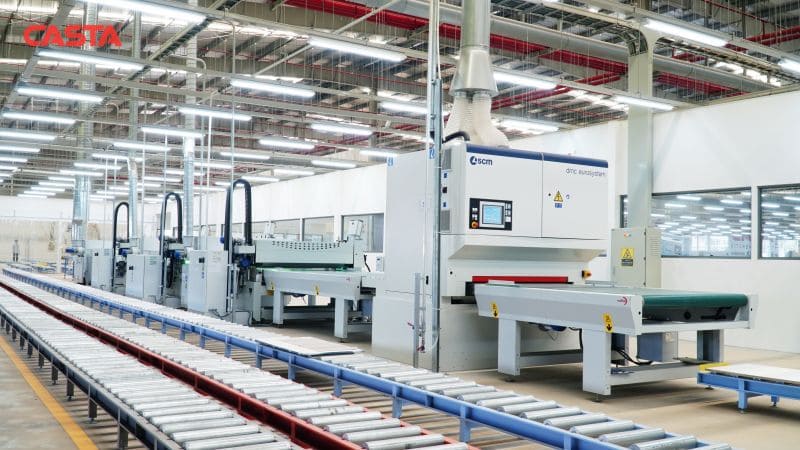
Casta operates two factories spanning over 100,000 m², using European machinery from brands including SCM, Homag, and Cefla, with manufacturing automation reaching roughly 90%.
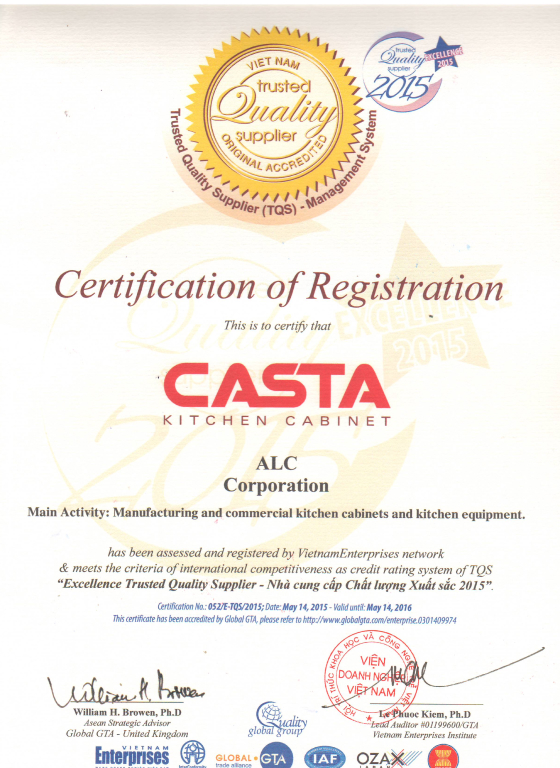
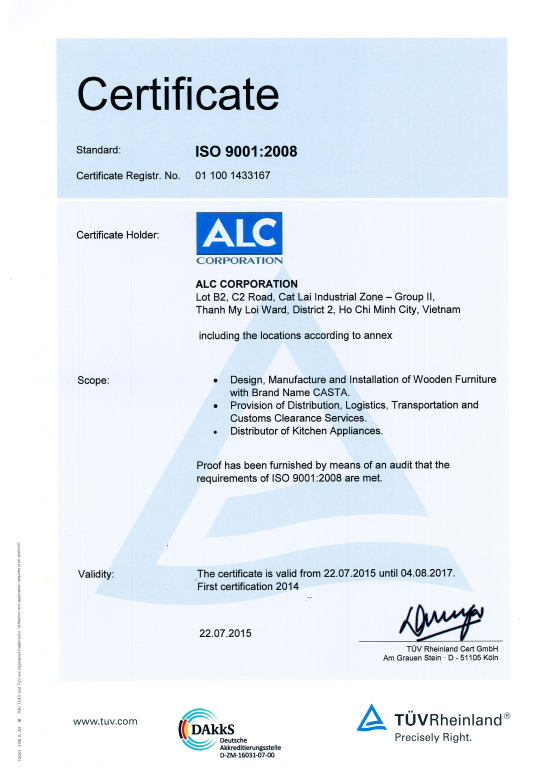
Finishing and materials are sourced to meet global standards, including European E1, JIS, CARB, and FSC certifications, alongside BSI and BSCI certifications, and the facility follows TCVN ISO 9001:2015 quality management standards.
The Auto Spray Machine and Drying CEFLA System at Casta ensures flawless coating application, efficient drying, and superior surface durability, delivering a consistently high-end finish. The advanced UV roller coating system ensures high-precision finishing and rapid drying while maintaining coating integrity, enhancing resistance to scratches, moisture, and wear—the same qualities buyers look for when evaluating the most durable paint for kitchen cabinets in a factory-applied context.
Casta offers samples until clients are fully satisfied with design, materials, and finish before production begins, with a production capacity of up to 200 containers per month and a standard lead time of 45–60 days from shop drawing approval—enough scale for buyers standardizing an entire product line around the most durable paint for kitchen cabinets they can specify.
Learn more: Lead Times & Supply Chain Resilience: Navigating Potential Disruptions
Over 80% of production is exported, primarily to the U.S., supported by sales and service offices in California, Texas, and New York — giving North American buyers a direct line to the same finishing team responsible for delivering the most durable paint for kitchen cabinets on every order.
The right finish still depends on the specific project — this spotlight is meant as a reference point for what to ask any manufacturer about their finishing process, not a claim that one finish fits every use case.
Learn more: Casta’s outstanding international projects
FAQ
What is the most durable paint for kitchen cabinets?
Are painted kitchen cabinets durable long-term?
Is conversion varnish more durable than standard lacquer?
Is thermofoil more durable than painted MDF?
What makes a factory-applied finish more durable than a site-applied one?
Conclusion
Durability depends on finish type, application method, and cure process—not just the paint brand. Conversion varnish and powder coat tend to lead on pure durability, while water-based enamel and pre-catalyzed lacquer offer a solid middle ground for buyers balancing cost, health considerations, and performance. Whichever tier a project lands in, the underlying test for the most durable paint for kitchen cabinets stays the same: hardness, moisture resistance, resistance to yellowing, and how the finish holds up to daily contact.
Casta Cabinetry, offering factory-applied finishes across multiple finish types and certified materials, is one option worth evaluating against the questions above when you're sourcing the most durable paint for kitchen cabinets for your next project.
Contact the team at Casta Cabinetry to request finish samples, discuss your project, or get a quote.





Private Label Cabinet Branding: Custom Packaging & Label...
Putting your name on a cabinet line is one of the fastest ways for a retailer or brand to build margin and customer loya...
09/24/2026 | David Nguyen

Cabinet Quality Control Process: How Bulk Orders Are Inspect...
For a wholesaler buying from overseas, the biggest fear usually isn’t price. It’s opening a container weeks ...
09/22/2026 | David Nguyen
How Many Kitchen Cabinets Fit in a 20ft/40ft Container?...
For a wholesaler pricing out a bulk order, cabinets per container is the number that turns a quote into an actual budget...
09/20/2026 | David Nguyen

FSC Certified Cabinets: Why It Matters for Green Building Pr...
For a developer working on a certified green building project, FSC certified cabinets aren’t just a sustainability...
09/18/2026 | David Nguyen
Private Label Cabinet Branding: Custom Packaging & Label...
Putting your name on a cabinet line is one of the fastest ways for a retailer or brand to build margin and customer loya...
09/24/2026 | David Nguyen
Cabinet Quality Control Process: How Bulk Orders Are Inspect...
For a wholesaler buying from overseas, the biggest fear usually isn’t price. It’s opening a container weeks ...
09/22/2026 | David Nguyen
How Many Kitchen Cabinets Fit in a 20ft/40ft Container?...
For a wholesaler pricing out a bulk order, cabinets per container is the number that turns a quote into an actual budget...
09/20/2026 | David Nguyen
FSC Certified Cabinets: Why It Matters for Green Building Pr...
For a developer working on a certified green building project, FSC certified cabinets aren’t just a sustainability...
09/18/2026 | David Nguyen
Contact us
Casta is always ready to listen and answer all customers' questions