


 EN
EN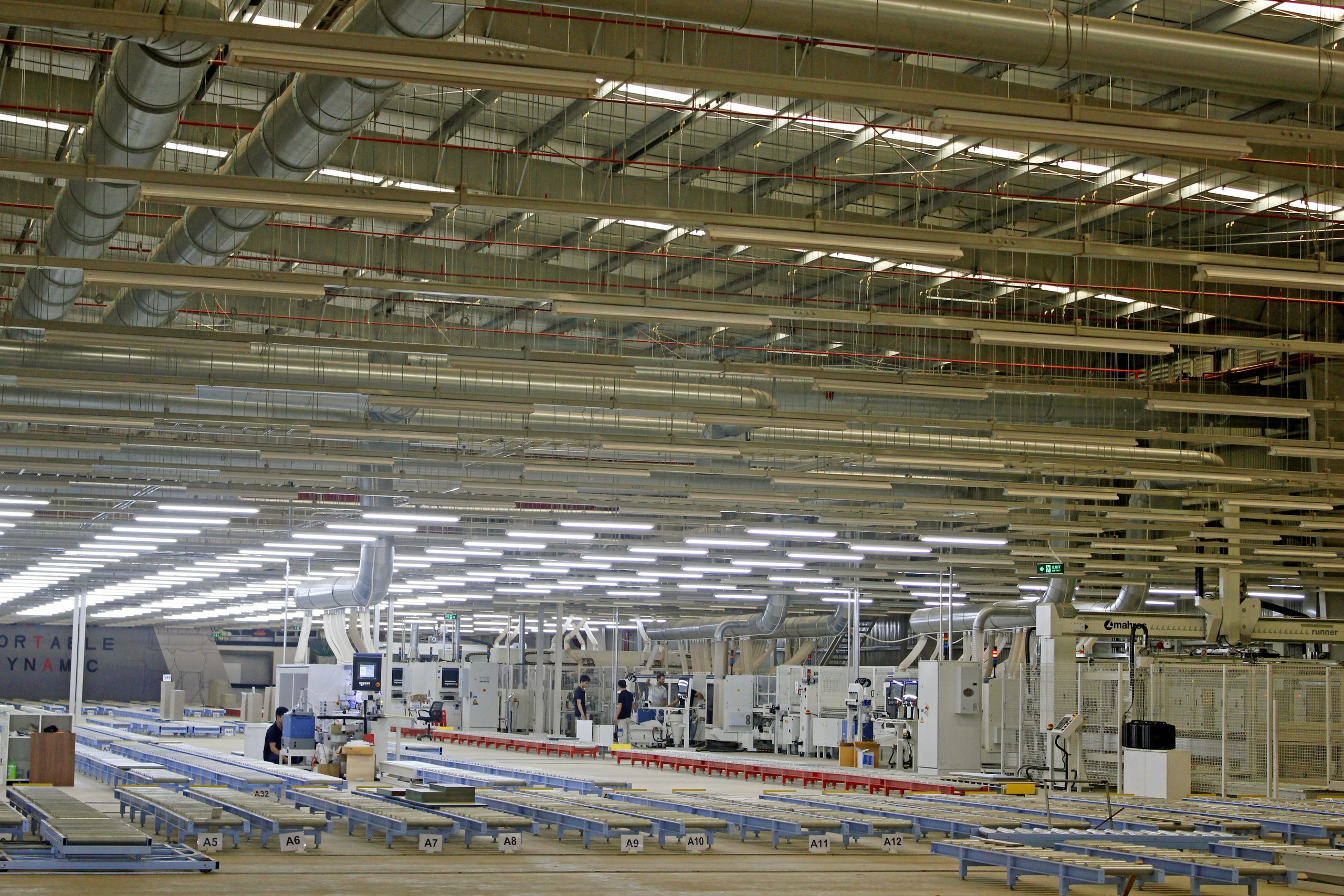
Understanding kitchen cabinet construction matters even if you're not the one building the cabinets. Contractors specifying work, dealers vetting suppliers, and brands sourcing OEM production all need to know what "quality construction" actually involves at each stage—not just how the finished product looks.
The process is the same in principle whether it's a small custom cabinet shop or a large-scale manufacturing facility: design, fabrication, joinery, finishing, and installation. This guide walks through the five phases that take a cabinet from raw material to installed unit, and what to check for at each one.
The 5 Phases of Kitchen Cabinet Construction
Every kitchen cabinet construction project, regardless of scale, moves through the same five phases. Understanding each one gives buyers a much sharper set of questions to ask when vetting a manufacturer.
Phase 1: Consultation, Space Planning, and Design
The first phase of kitchen cabinet construction starts with a needs assessment—defining function first, before any design work begins. Deep drawers, pull-outs, and adjustable shelving all need to be decided before a single panel is cut, since retrofitting these features later is far more expensive than planning for them upfront.
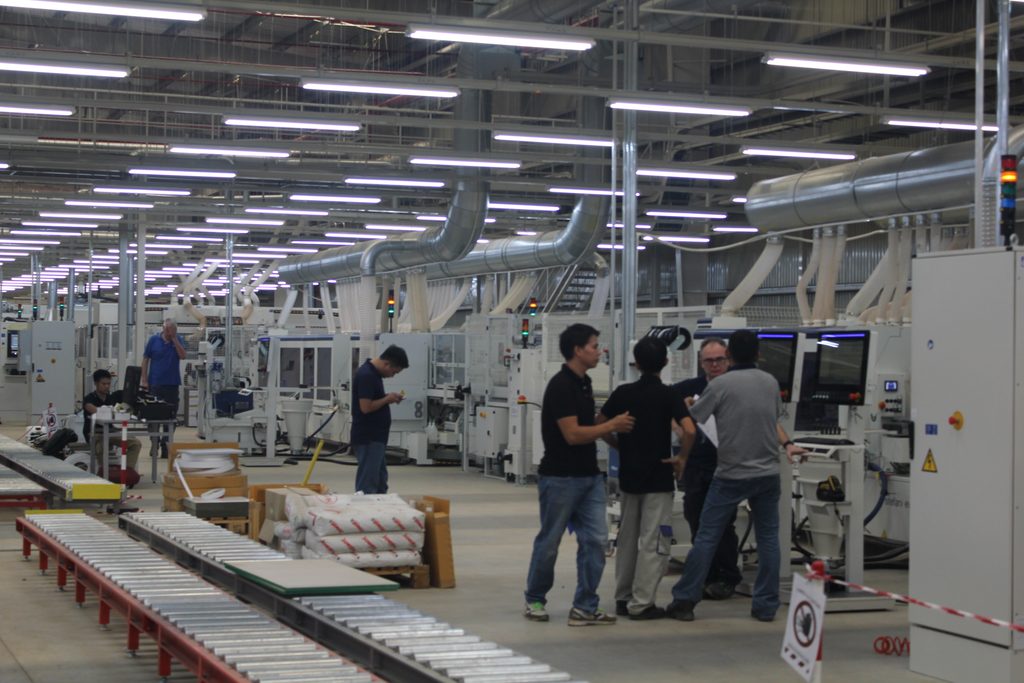
Precise site or project measurement comes next, accounting for structural obstacles, electrical and plumbing locations, and appliance placement. Style and material selection follow: face-frame (the traditional U.S. construction approach) versus frameless European construction, wood species or engineered material, finish type, and hardware all get decided at this stage.
Learn more: Frame vs Frameless cabinets
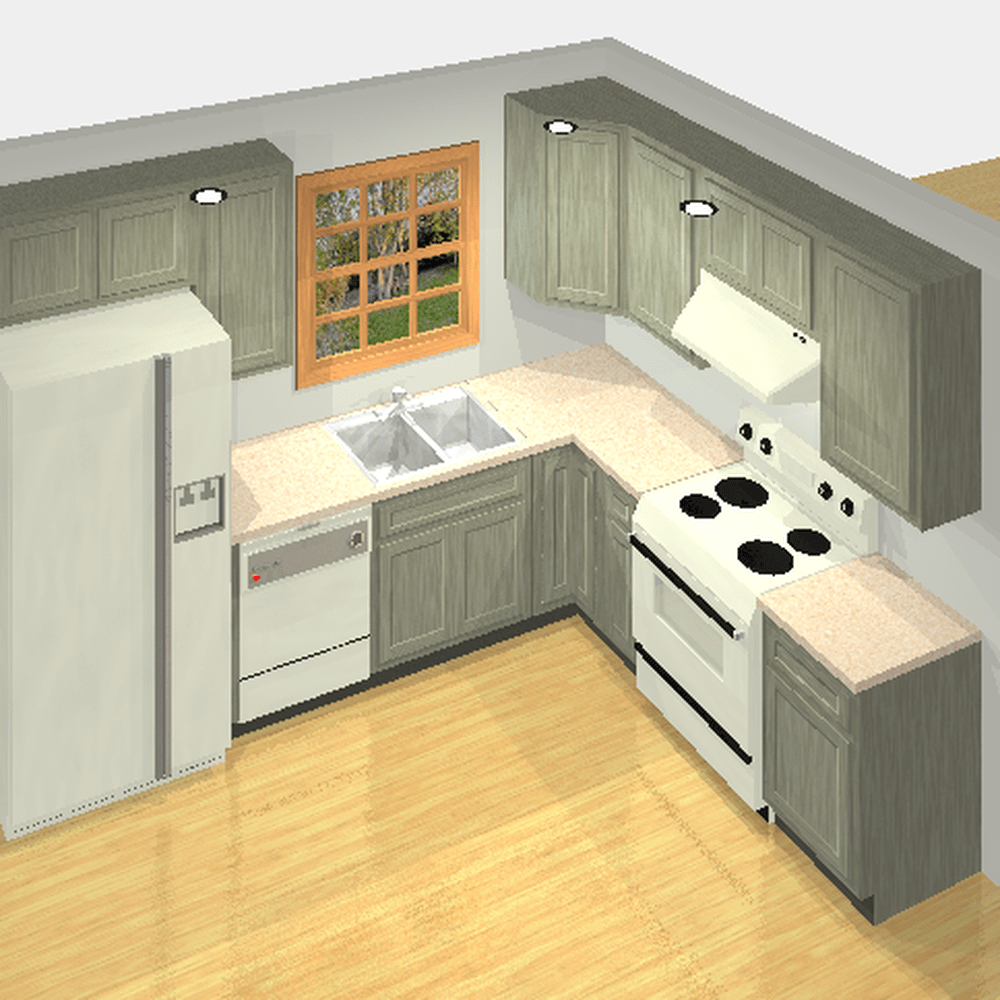
3D renderings and engineering work translate the design into a precise cut list before production begins. This phase determines almost everything downstream in kitchen cabinet construction—a planning error here doesn't show up until much later, usually as a fit or function problem that's far more expensive to fix on-site than it would have been to catch on paper.
For B2B buyers, this is also the phase where communication style matters most, even though it's easy to overlook when comparing suppliers on price or lead time alone. A manufacturer that pushes back on an unclear specification, or asks a clarifying question about a detail the buyer hadn't fully thought through, is generally a better partner through the rest of kitchen cabinet construction than one that simply accepts every instruction at face value and moves straight to production.
Phase 2: Material Milling and Component Fabrication
Fabrication is where kitchen cabinet construction physically begins. Panel cutting starts with sheet goods—typically 3/4-inch furniture-grade plywood or MDF—cut into cabinet box components using precision table saws or CNC routers.
Learn more: Difference between mdf and mfc vs plywood vs hdf
Routing and boring follow, drilling for adjustable shelf pins, hinge pockets, and drawer slide hardware. For framed cabinets, the face frame and door build happen here too: solid wood stiles and rails are joined to form the face frame, while doors and drawer boxes are built in parallel.
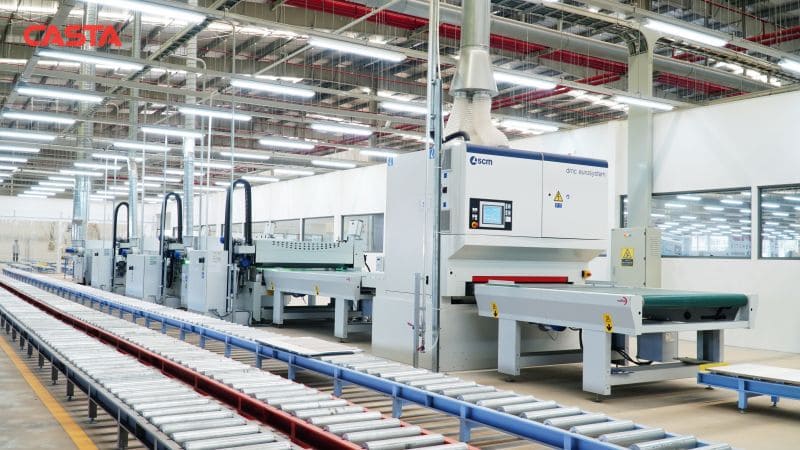
CNC-based fabrication produces more consistent results than manual cutting, especially across large production runs—a detail worth asking any supplier about directly, since it affects both dimensional accuracy and repeatability across an entire order. A shop relying primarily on manual table saw cuts can still produce excellent individual pieces, but holding that same precision across a hundred-unit order is a different challenge entirely, and it's one of the clearest places where scale and equipment investment translate directly into consistency.
Phase 3: Joinery and Box Assembly
Assembly is where individual components become an actual cabinet box, and it's one of the clearest places to spot quality differences in kitchen cabinet construction. Higher-quality construction relies on pocket screws, dado joints, and dowels; lower-cost lines often rely on glue and staples instead.
Learn more: Types of joints for cabinets
Squaring the box matters more than it might seem. A box that isn't perfectly square causes doors that won't hang straight and drawers that bind—a quality marker worth checking directly on any sample rather than taking on faith.
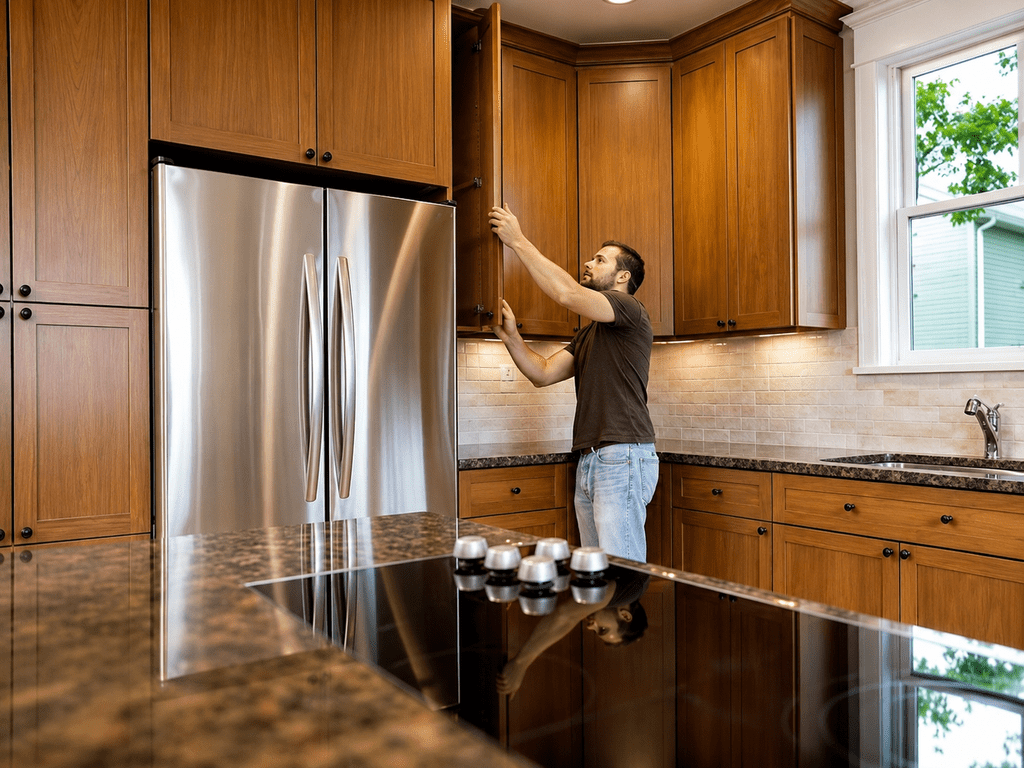
Structural support gets added at this stage too: back panels for rigidity, and a recessed toe-kick built into base cabinet units for usability at the counter.
Phase 4: Sanding and Finishing
Progressive sanding, using increasingly fine grits, removes milling marks and imperfections before any finish is applied. This step is easy to underestimate, but it directly affects how evenly a finish coat sits later on.
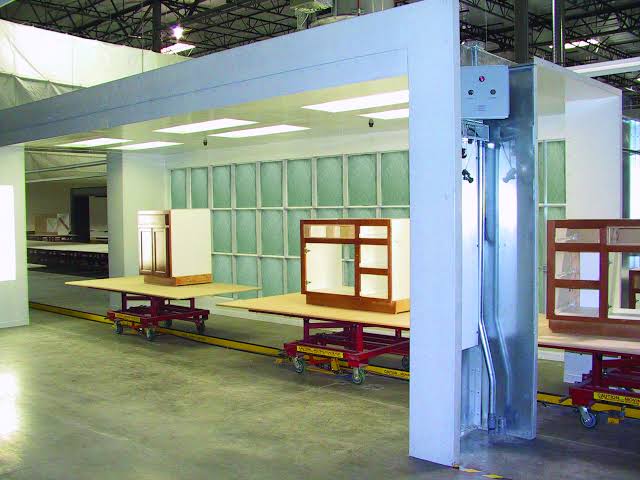
Applying the finish happens in a controlled environment to avoid dust contamination—stains and protective topcoats like polyurethane or conversion varnish, or primed and sprayed cabinet-grade paint. This stage determines long-term durability just as much as the materials themselves; the same box construction can perform very differently depending on finish quality and cure process.
Phase 5: Installation and Final Adjustments
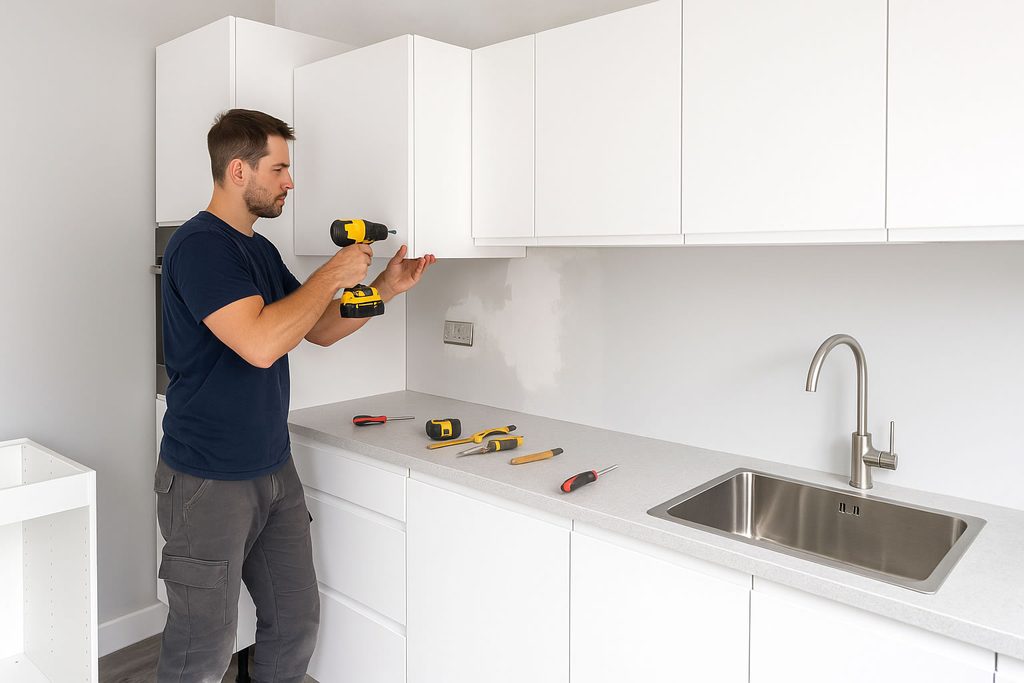
Installation is the final phase of kitchen cabinet construction and where a well-built cabinet either comes together correctly or reveals problems from earlier stages. Scribing and leveling—shimming and trimming filler pieces—lets cabinets sit flush against walls and floors that are rarely perfectly straight.
Securing the units follows: cabinet boxes are joined to each other and anchored into wall studs. Hardware and fine-tuning come last—doors, drawer tracks, and hardware get attached and adjusted for even gaps (reveals) and smooth, soft-close operation. This final adjustment step is where a well-executed earlier phase pays off most visibly—a square, precisely fabricated box makes even gaps and smooth operation almost automatic, while a box with accumulated small errors from earlier phases makes this stage far more difficult to get right, no matter how skilled the installer is.
Learn more: Types of cabinet hinges
Framed vs. Frameless Construction: Where the Process Differs
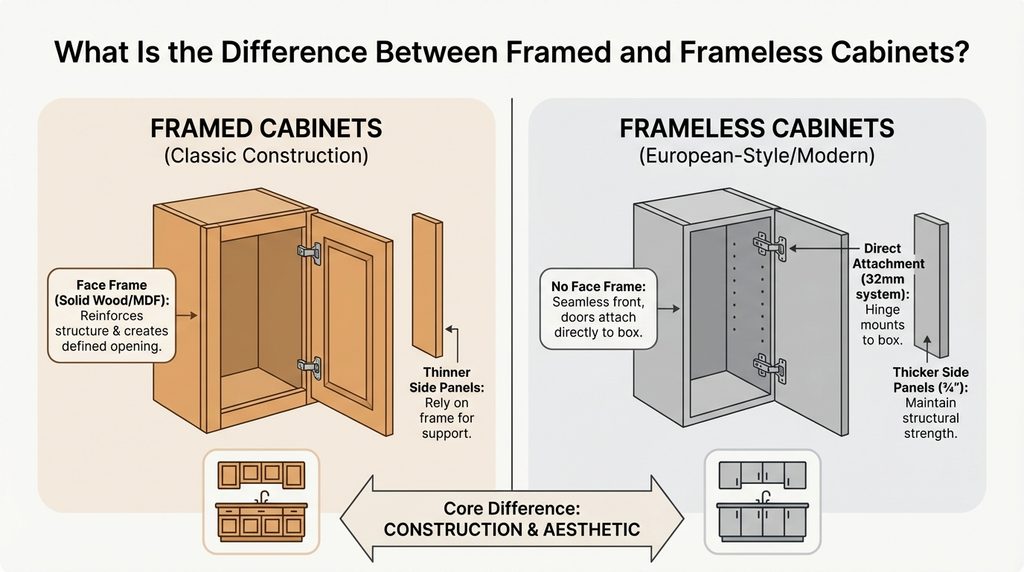
Framed and frameless kitchen cabinet construction diverge at several points in the process, and understanding where matters for anyone specifying or vetting either style.
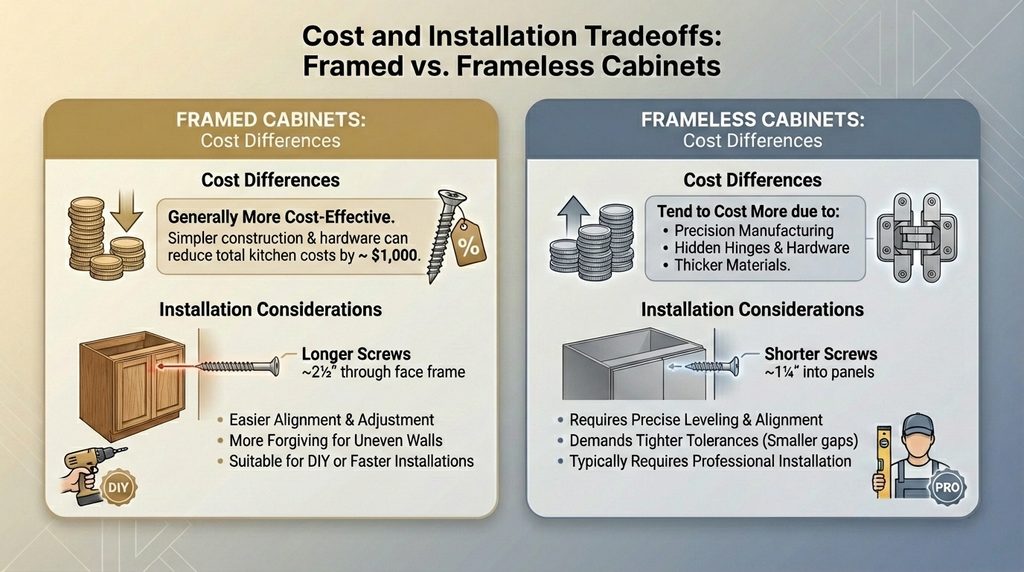
Framed construction relies on a face frame for structural support, built and joined as a separate step before doors are hung. Frameless (European-style) construction skips that step entirely—the box itself is structural, which requires tighter fabrication tolerances since there's no frame to compensate for minor gaps.
Frameless kitchen cabinet construction generally demands more manufacturing precision at the fabrication stage. Panel accuracy and joinery quality matter more when there's no frame acting as a buffer for small inconsistencies, which is part of why frameless lines tend to rely more heavily on CNC-based production than manual methods.
What This Process Means for Timelines
Standard custom kitchen cabinet construction projects can run several weeks to a few months from initial consultation to final walkthrough, with most of that time spent in manufacturing and finish curing rather than on-site installation.
On-site installation itself is typically the shortest phase—a matter of days once cabinets arrive. Understanding where time is actually spent in kitchen cabinet construction helps set realistic expectations with clients or internal stakeholders, rather than assuming every delay is a shipping problem when it's more often tied up in fabrication or finish cure time.
Learn more: Lead Times & Supply Chain Resilience: Navigating Potential Disruptions
What to Verify at Each Stage When Vetting a Manufacturer
Understanding the five phases of kitchen cabinet construction is most useful when it translates into specific questions during supplier vetting. Here's what to check at each stage:
Learn more: Kitchen cabinet buying guide
- Design phase: Do they provide 3D renderings and shop drawings before production, or just a verbal confirmation?
- Fabrication phase: Is cutting and boring CNC-based, or manual production with wider tolerance variation?
- Assembly phase: What joinery method is used—dovetail, dowel, pocket-screw—versus staples and glue, and is there evidence of quality control on squareness?
- Finishing phase: Is finishing done in a factory-controlled environment with a proper cure process, or applied on-site?
- Installation guidance: Do they provide clear documentation or support for installation, or is that entirely left to the buyer?
A manufacturer that can answer all five of these clearly, with documentation rather than general reassurance, is a stronger bet for consistent kitchen cabinet construction quality across an entire order—not just on a single showroom sample shown during the initial sales conversation.
Learn more: Cabinet certification
Supplier Spotlight: Casta Cabinetry
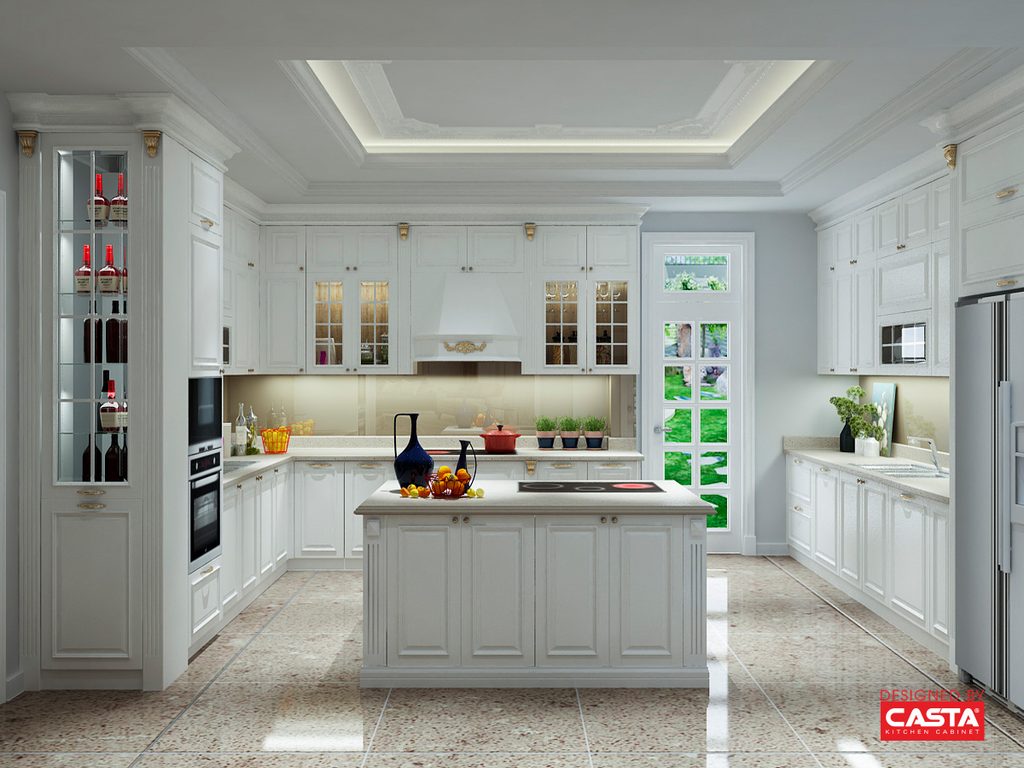
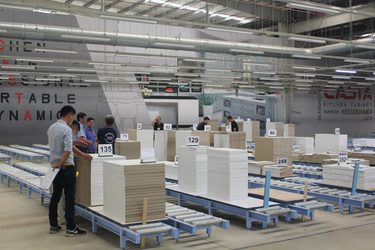
As a practical illustration of how these five phases translate into an actual manufacturing operation, it's worth looking at how Casta Cabinetry approaches kitchen cabinet construction at scale.
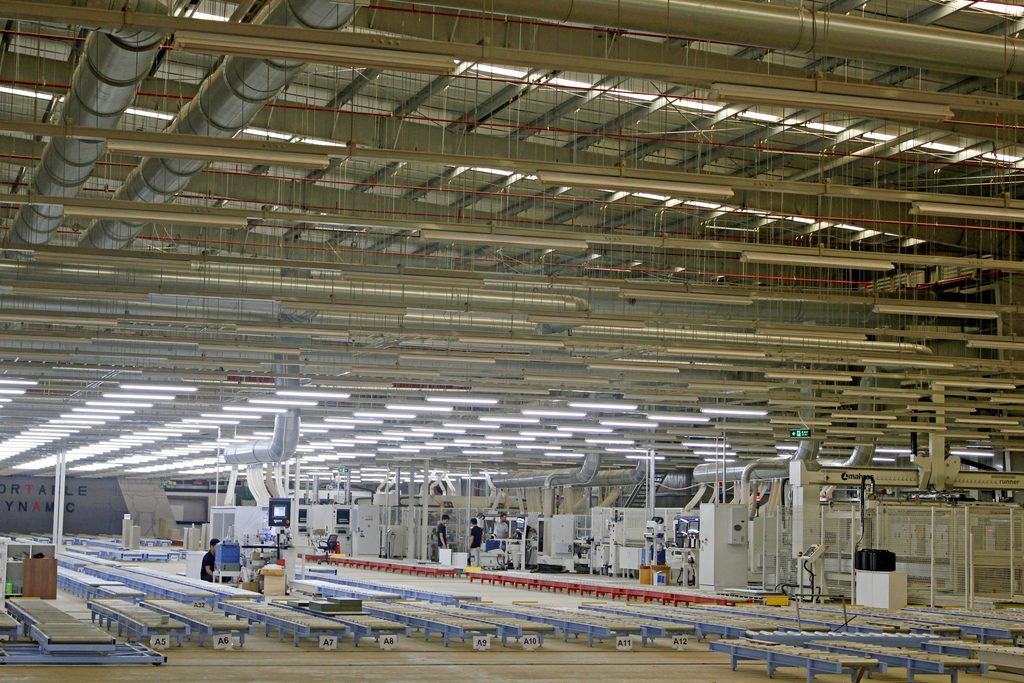
Founded in 2002, Casta is a Vietnam-based manufacturer specializing in kitchen cabinets, vanities, and custom furniture, with over two decades in the industry. The company operates two factories spanning more than 100,000 m², using European machinery from brands including SCM, Homag, and Cefla, with manufacturing automation reaching roughly 90%.
Learn more: Sourcing Cabinets and Furniture from Vietnam: Your Ultimate Guide
CNC panel cutting at ±0.1 mm precision supports the tight tolerances that both framed and frameless kitchen cabinet construction rely on. PUR hot-melt edge sealing is applied during fabrication to improve moisture resistance across the finished product.
Learn more: Material & Finish Innovations: Elevating Cabinet Design and Durability
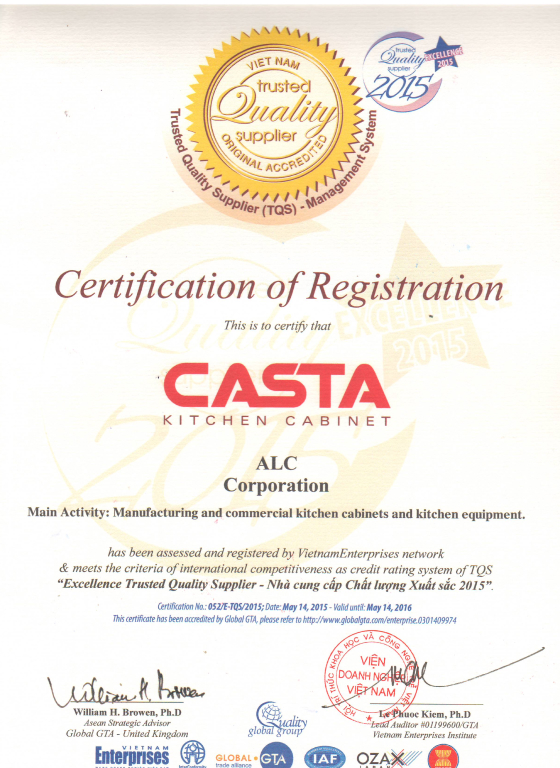
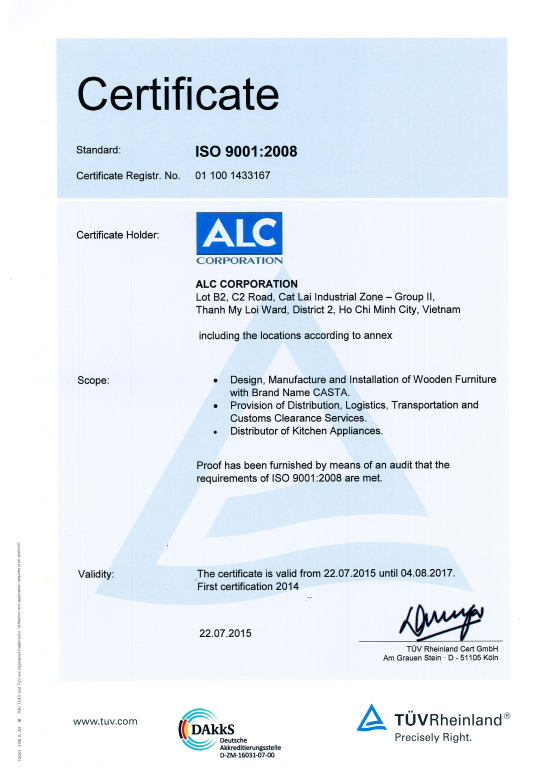
Materials are sourced to meet global standards including European E1, JIS, CARB, and FSC certifications, alongside BSI and BSCI certifications, and the facility follows TCVN ISO 9001:2015 quality management standards; Casta also holds KCMA certification. The company offers samples until clients are fully satisfied with design, materials, and finish before full production begins, allowing verification of construction quality before committing to volume.
Production capacity runs up to 200 containers per month, with a standard lead time of 45–60 days from shop drawing approval. Over 80% of production is exported, primarily to the U.S., supported by sales and service offices in California, Texas, and New York.
This section is meant to show how the process phases covered in this guide translate into an actual manufacturing operation—not a claim that every buyer's needs are best served by this specific setup.
Learn more: Casta’s outstanding international projects
Quality Control Checkpoints Throughout the Process
Understanding kitchen cabinet construction as a sequence of phases is useful, but it's just as important to know where quality control actually happens—or should happen—within that sequence, since a single missed checkpoint early on tends to compound into a bigger problem downstream.
At the design phase, the checkpoint is dimensional accuracy against the actual site measurements, not just the client's stated preferences. A shop drawing that looks correct on paper but wasn't verified against real-world obstacles—an out-of-square wall, an unexpected pipe run—creates a fabrication problem before a single panel has been cut.
At the fabrication phase, the checkpoint is consistency across the full run, not just the first few units off the line. CNC-based kitchen cabinet construction should, in theory, produce nearly identical parts across an entire order, but tool wear, material batch variation, and machine calibration drift can all introduce inconsistency over a long production run if they're not actively monitored.
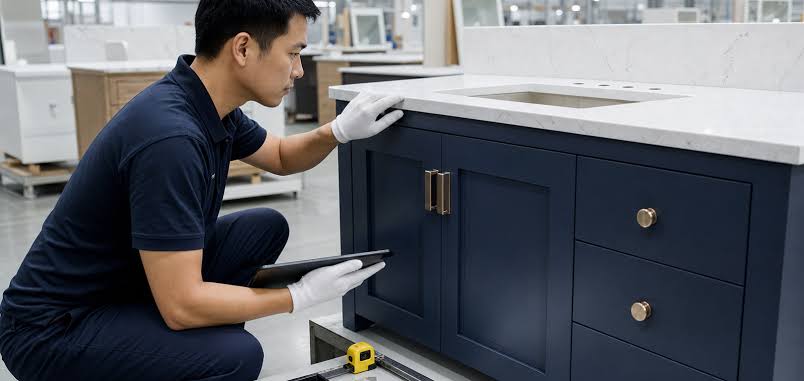
At the assembly phase, the checkpoint is squareness and joint integrity, checked on a sample basis throughout a production run rather than only at the very start. A supplier that inspects the first unit off the line and then assumes consistency through the rest of the order is taking on more risk than one with ongoing sampling built into the process.
At the finishing phase, the checkpoint is cure time and environmental control—humidity and temperature during application and cure directly affect how well a finish holds up over years of use. This is one of the harder checkpoints for a buyer to verify remotely, which is part of why requesting a physical sample from any kitchen cabinet construction supplier remains one of the more reliable verification steps available.
Learn more: Formaldehyde free cabinets
How Construction Quality Affects Total Cost
It's worth connecting the construction process directly to cost, since the relationship isn't always intuitive. Two suppliers quoting a similar per-unit price for kitchen cabinet construction can be building genuinely different products, with the price difference hidden in joinery method, fabrication precision, or finish quality rather than anything visible in a quick comparison.
Dovetail or dowel joinery costs more in labor and machine time than staples and glue, but it also produces a drawer box that holds up for decades rather than years. CNC-based fabrication carries a higher upfront equipment cost for the manufacturer than manual cutting, but it delivers tighter, more consistent tolerances across a large order—a cost that often shows up as better long-term value rather than a lower sticker price.
For B2B buyers evaluating multiple quotes, it's worth asking each supplier to break down which phase of kitchen cabinet construction their pricing tier actually reflects—a lower quote might mean a genuinely leaner operation, or it might mean corners are being cut at a specific stage that won't show up until the cabinets have been in daily use for a year or two.
Learn more: How much is custom cabinetry
Why This Process Knowledge Matters for OEM and Private-Label Buyers
Brands sourcing kitchen cabinet construction under a private-label arrangement carry a slightly different risk profile than a contractor buying for a single project, and it's worth spelling out why. When a brand puts its own name on a manufacturer's product, any construction shortcut at any of the five phases becomes the brand's problem to answer for, not just the factory's—a warped door or a failed drawer glide reflects on the label the customer sees, regardless of where in the process the actual defect originated.
Learn more: What are custom cabinets?
This makes process transparency a genuinely different priority for OEM buyers than for a one-off project buyer. A private-label brand benefits from understanding not just whether a manufacturer can produce a good sample, but whether the same quality checkpoints hold consistently across every phase of kitchen cabinet construction, order after order, as volume scales from an initial small batch to a full production run.
It's also worth building an ongoing verification habit rather than treating supplier vetting as a one-time step before the first order. Requesting periodic updated samples, reviewing fabrication tolerance reports if a supplier provides them, and occasionally requesting photos or video from the finishing floor are all reasonable asks for an OEM relationship handling meaningful volume—and a supplier confident in their kitchen cabinet construction process generally has no issue accommodating these requests.
FAQ
What are the main steps in kitchen cabinet construction?
What's the difference between framed and frameless cabinet construction?
How long does a custom cabinet construction project typically take?
What construction details indicate higher-quality cabinet fabrication?
Why does box squareness matter in cabinet assembly?
Conclusion
Kitchen cabinet construction runs through five connected phases—design, fabrication, assembly, finishing, and installation—and quality at each stage compounds into the final product. For B2B buyers, understanding this process makes it much easier to evaluate a manufacturer's claims and ask sharper questions during vetting, rather than relying on finish photos alone or accepting a verbal quality assurance without documentation behind it.
Casta Cabinetry, with CNC-precision fabrication, certified materials, and a sample-first process, is one example of how this workflow operates at scale for buyers evaluating a long-term manufacturing relationship.
Ready to see this process in action for your next project? Contact Casta Cabinetry's team to request samples, shop drawings, or a conversation about your kitchen cabinet construction and production needs.





How Many Kitchen Cabinets Fit in a 20ft/40ft Container?...
For a wholesaler pricing out a bulk order, cabinets per container is the number that turns a quote into an actual budget...
09/20/2026 | David Nguyen

FSC Certified Cabinets: Why It Matters for Green Building Pr...
For a developer working on a certified green building project, FSC certified cabinets aren’t just a sustainability...
09/18/2026 | David Nguyen
Lead Time for Wholesale Cabinet Orders: From Factory to Deli...
For a developer or wholesaler working against a construction or renovation deadline, cabinet lead times aren’t a n...
09/16/2026 | David Nguyen

Cabinet Import Duties & Tariffs: What US Buyers Pay When...
For a U.S. wholesaler or importer, uncertainty around tariffs on imported cabinets is often the single biggest barrier t...
09/14/2026 | David Nguyen
How Many Kitchen Cabinets Fit in a 20ft/40ft Container?...
For a wholesaler pricing out a bulk order, cabinets per container is the number that turns a quote into an actual budget...
09/20/2026 | David Nguyen
FSC Certified Cabinets: Why It Matters for Green Building Pr...
For a developer working on a certified green building project, FSC certified cabinets aren’t just a sustainability...
09/18/2026 | David Nguyen
Lead Time for Wholesale Cabinet Orders: From Factory to Deli...
For a developer or wholesaler working against a construction or renovation deadline, cabinet lead times aren’t a n...
09/16/2026 | David Nguyen
Cabinet Import Duties & Tariffs: What US Buyers Pay When...
For a U.S. wholesaler or importer, uncertainty around tariffs on imported cabinets is often the single biggest barrier t...
09/14/2026 | David Nguyen
Contact us
Casta is always ready to listen and answer all customers' questions